Biomass vs Tire vs Plastic Pyrolysis: Key Differences & Similarities
Waste-to-energy technologies are rapidly gaining attention as the world seeks sustainable alternatives to conventional fuels. Among these technologies, pyrolysis stands out as a versatile process that converts various types of waste into valuable products like fuel, chemicals, and carbon-rich residues. However, not all pyrolysis is the same—biomass, tires, and plastics each behave differently under thermal decomposition. Understanding the differences and similarities among these pyrolysis processes is crucial for researchers, investors, and industries looking to optimize waste-to-energy systems.
What is Pyrolysis?
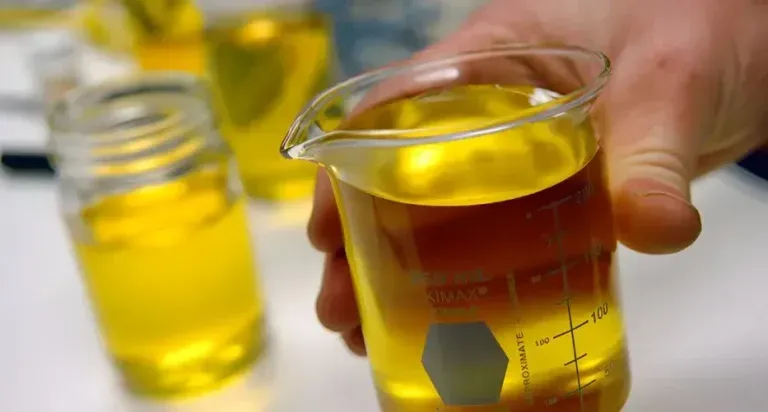
Pyrolysis is a thermochemical process in which organic materials are heated in the absence of oxygen, breaking down complex molecules into simpler compounds. Unlike combustion, pyrolysis does not burn the material but decomposes it into three main products: pyrolysis oil, syngas, and char. The specific characteristics of these outputs depend heavily on the type of feedstock—biomass, tires, or plastics—and the operating conditions, such as temperature, heating rate, and residence time.
Biomass Pyrolysis
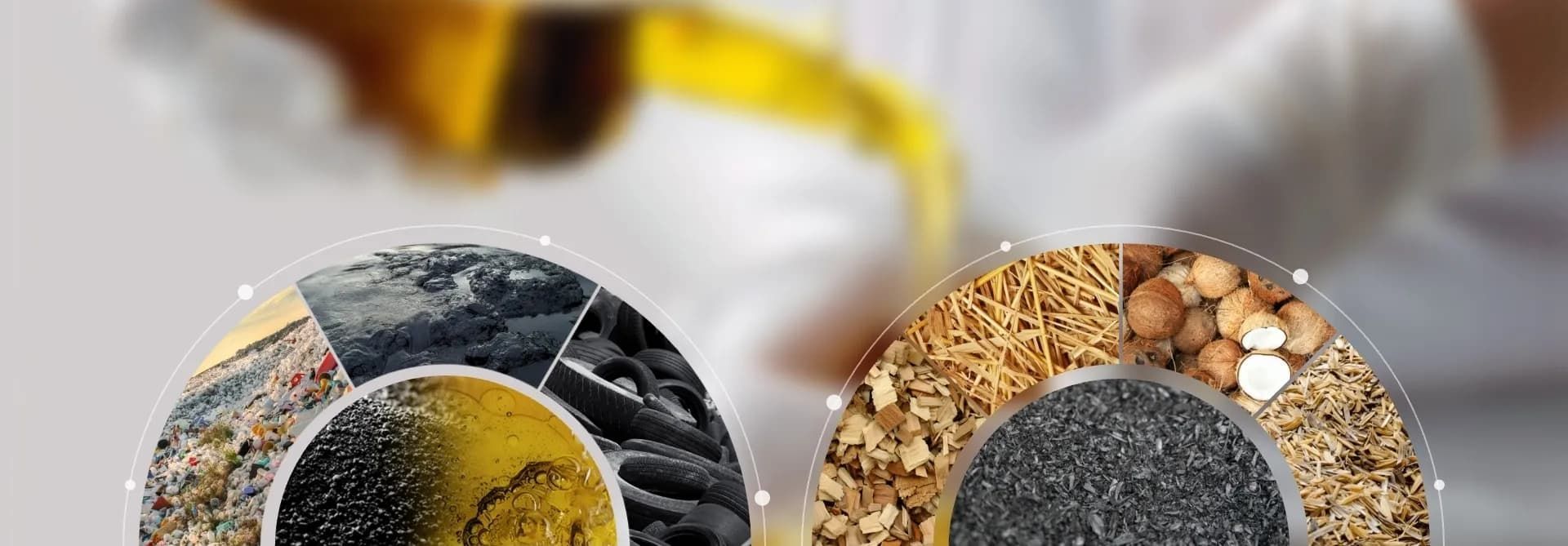
Biomass includes agricultural residues, wood chips, and organic waste. The pyrolysis of biomass is primarily aimed at producing bio-oil, biochar, and syngas for renewable energy applications. Bio-oil can be refined into transportation fuels or chemicals, biochar enhances soil fertility, and syngas generates electricity or heat. Biomass pyrolysis is typically conducted at moderate temperatures ranging from 400 to 600°C, with slow or fast heating depending on the desired product. The advantages include the renewable nature of biomass and its potential to reduce greenhouse gas emissions. However, moisture content in biomass can reduce efficiency, and bio-oil may require upgrading for direct fuel use.
Tire Pyrolysis
Tires are a major waste concern due to their durability and non-biodegradable nature. Pyrolysis provides an effective method to recover energy and valuable materials from scrap tires. Tire pyrolysis plant produces oil that can be used as industrial fuel, syngas for energy generation, steel, and carbon black that can be reused in rubber products or construction materials. The process generally requires higher temperatures of 450 to 700°C to break down synthetic rubber and carbon-rich compounds. While tire pyrolysis reduces landfill waste and creates high-energy fuels, emissions control is critical due to sulfur and volatile compounds, and preprocessing of tires may be necessary to optimize yields.
Plastic Pyrolysis
Plastic waste, particularly single-use plastics, is a growing environmental crisis. Pyrolysis transforms plastics into liquid fuels and chemical feedstocks, with minimal char production. The oil derived from plastics can replace diesel or serve as a chemical raw material. Plastic pyrolysis typically requires higher temperatures, between 500 and 700°C, and rapid heating to prevent residual polymers. While this process helps reduce plastic pollution and offers an alternative to fossil fuels, it faces challenges with mixed plastic streams and potential release of toxic compounds if not managed correctly.
Similarities Across Biomass, Tire, and Plastic Pyrolysis
Despite the differences, all three pyrolysis types share key similarities. They rely on heating organic materials in oxygen-free environments to break chemical bonds, producing oil, syngas, and char in varying proportions. Each process transforms waste that would otherwise burden landfills into usable energy and materials. Additionally, pyrolysis offers environmental benefits by reducing landfill use and lowering greenhouse gas emissions compared to conventional incineration.
Key Differences
The main differences lie in operating conditions, feedstock composition, product distribution, and environmental considerations. Biomass pyrolysis uses moderate temperatures and produces biochar in addition to oil and syngas, making it ideal for soil enrichment. Tire pyrolysis requires higher temperatures and generates additional products such as steel and carbon black, with stricter emissions control. Plastic pyrolysis also uses high temperatures and produces primarily oil and syngas, with minimal char, but careful feedstock sorting is essential to prevent toxic emissions. Each process has unique applications: biomass supports renewable energy and agriculture, tires provide industrial fuels and material recovery, and plastics serve as alternative fuels and chemical feedstocks.
Conclusion
Pyrolysis is a flexible and innovative technology capable of transforming a wide range of waste materials into valuable products. Biomass, tire, and plastic pyrolysis share core principles but differ in operating conditions, product composition, and environmental considerations. Understanding these differences is crucial for optimizing energy recovery, maximizing profitability, and minimizing environmental impact. By integrating these pyrolysis processes into sustainable waste management strategies, industries can address pollution, reduce fossil fuel dependency, and create economic value from materials once considered worthless.

Why Continuous Charcoal Making Equipment Is Becoming the Preferred Choice for Large-Scale Production