Turning Agricultural and Forestry Waste into Environmental Gold: The Green Potential of Biochar Pyrolysis
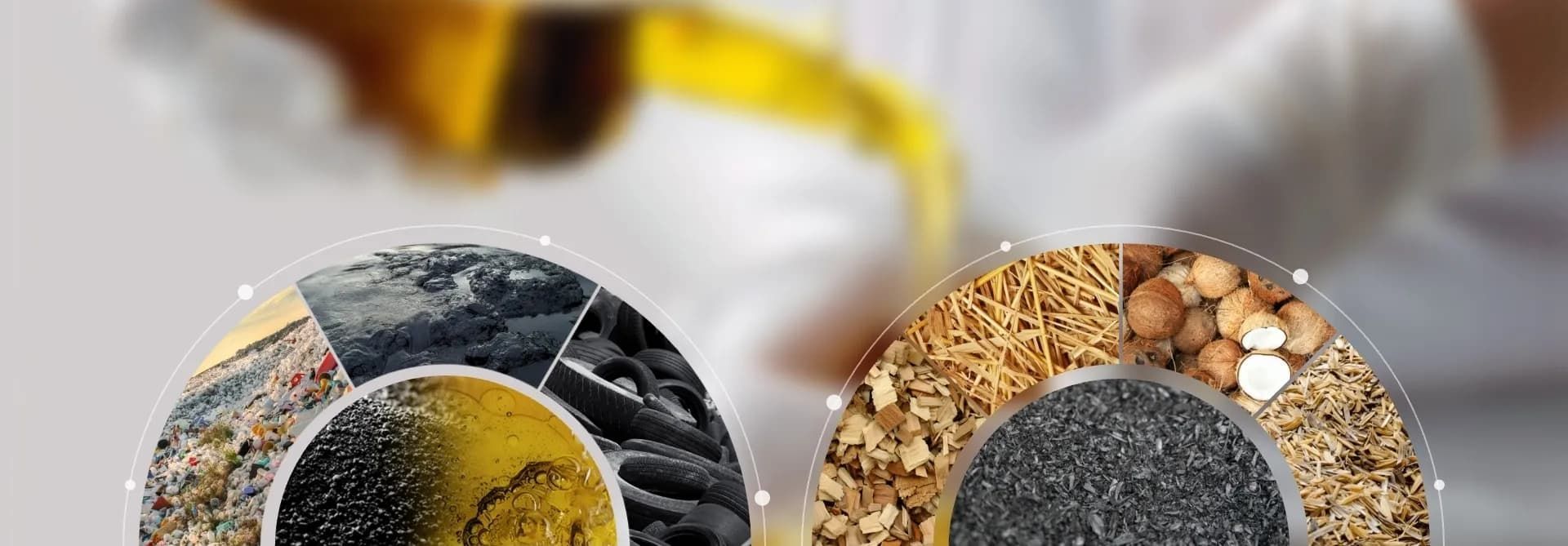
Around the world, agricultural and forestry activities generate massive amounts of organic waste—straw, husks, pruning residues, sawdust, and more. Traditionally, much of this biomass is burned or discarded, causing air pollution, greenhouse gas emissions, and wasted resources. However, a growing solution is transforming this challenge into an opportunity: biochar pyrolysis.
What is Biochar Pyrolysis?
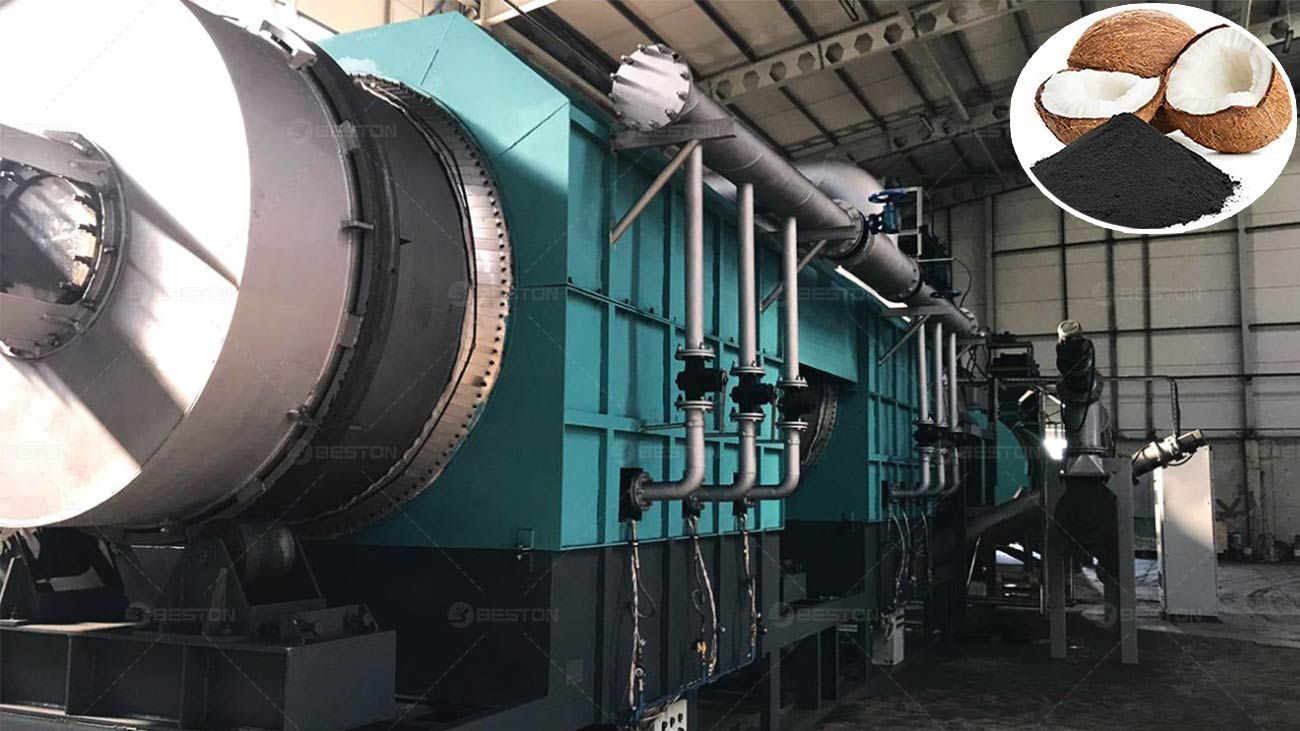
Biochar pyrolysis is a process that heats organic material in a low-oxygen environment, converting it into a stable form of carbon called biochar. This process also produces renewable bio-oil and syngas, which can be used for energy. Unlike open burning, pyrolysis minimizes harmful emissions and captures carbon in a durable, solid form.
Environmental Significance
Carbon Sequestration
Biochar locks carbon into a stable form that can last in soil for hundreds to thousands of years. This reduces carbon dioxide in the atmosphere, helping combat climate change.
Soil Health Improvement
When applied to soil, biochar enhances water retention, nutrient availability, and microbial activity. This not only improves crop yields but also reduces the need for chemical fertilizers.
Waste Management
Pyrolyzing agricultural and forestry residues transforms waste into valuable resources, reducing landfill pressure and preventing the environmental hazards of open burning.
Air Pollution Reduction
Traditional burning releases smoke and particulate matter, harming human health and ecosystems. Biochar pyrolysis produces far fewer pollutants, making it a cleaner alternative.
A Sustainable Future
By turning organic waste into biochar through pyrolysis, we are not just managing waste—we are creating a circular, environmentally friendly system. Farms and forests become carbon sinks, soils become richer, and energy can be harvested from residues. In short, biochar pyrolysis represents a small technological step with a huge environmental footprint.
Conclusion
The shift from waste to resource via biochar pyrolysis highlights the potential of green technology in agriculture and forestry. With broader adoption, this approach could help mitigate climate change, improve soil quality, and promote sustainable land management—all while giving a second life to the very waste that once threatened our environment.

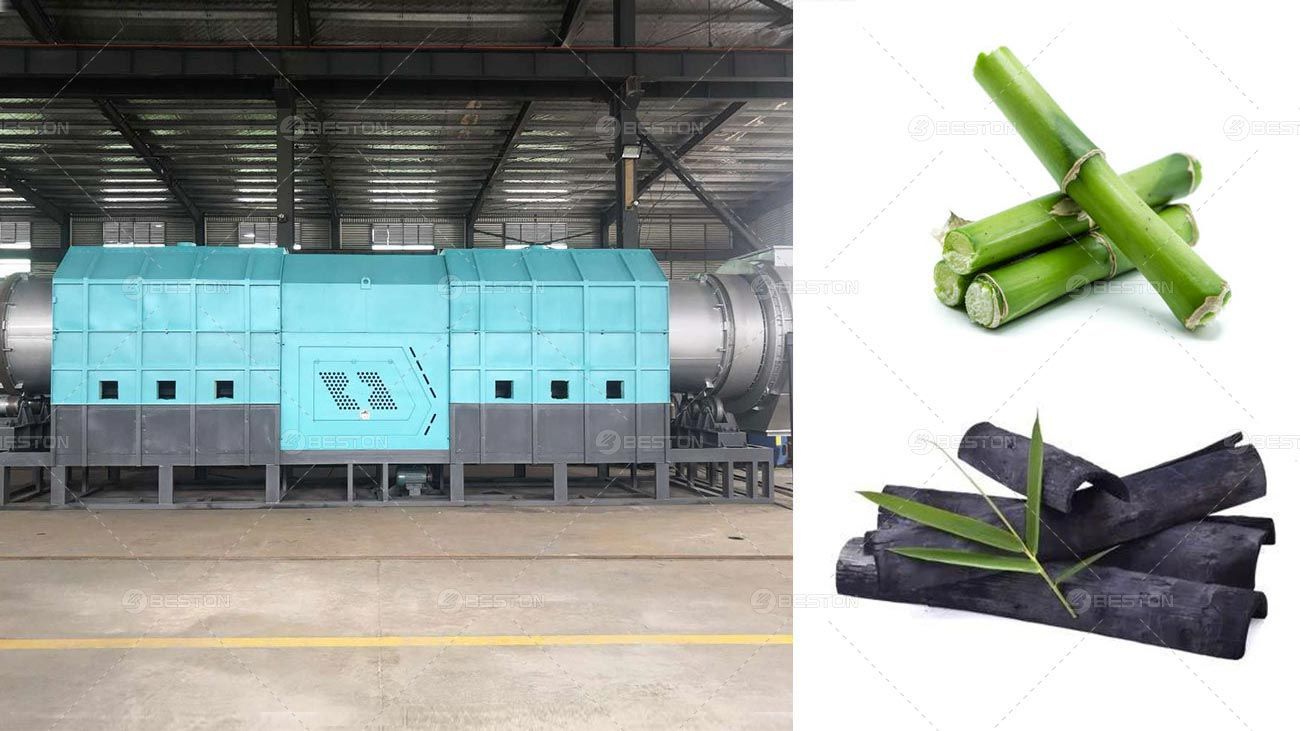
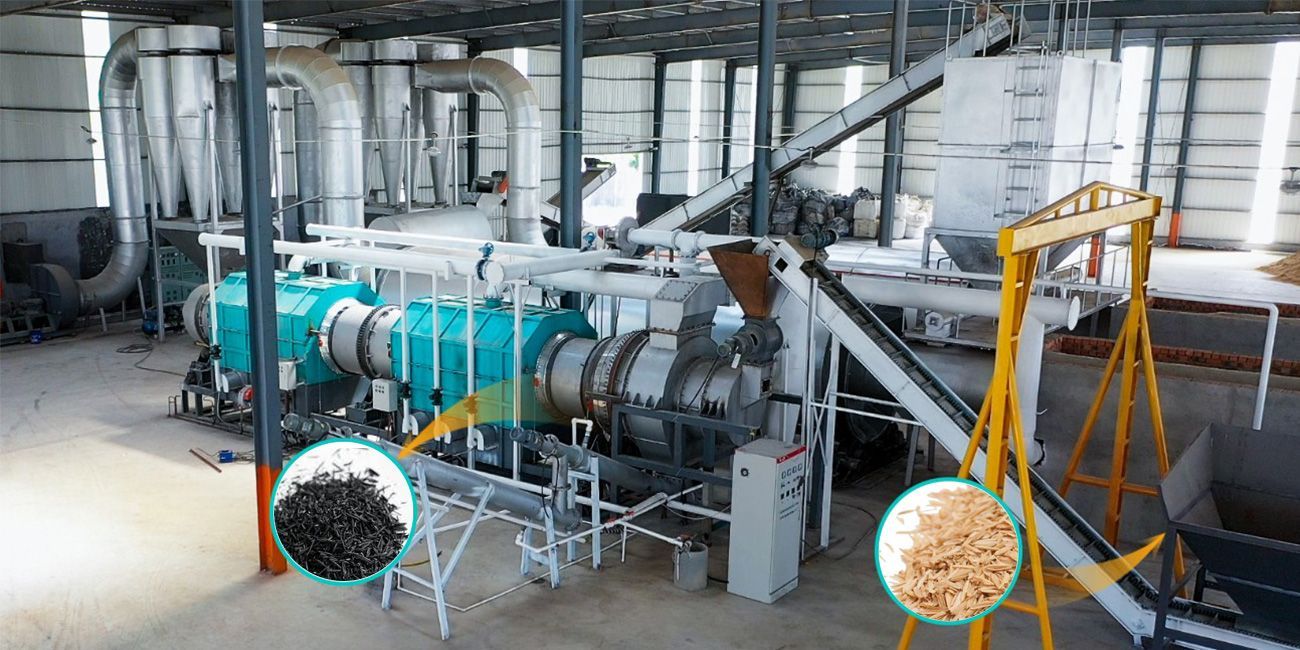
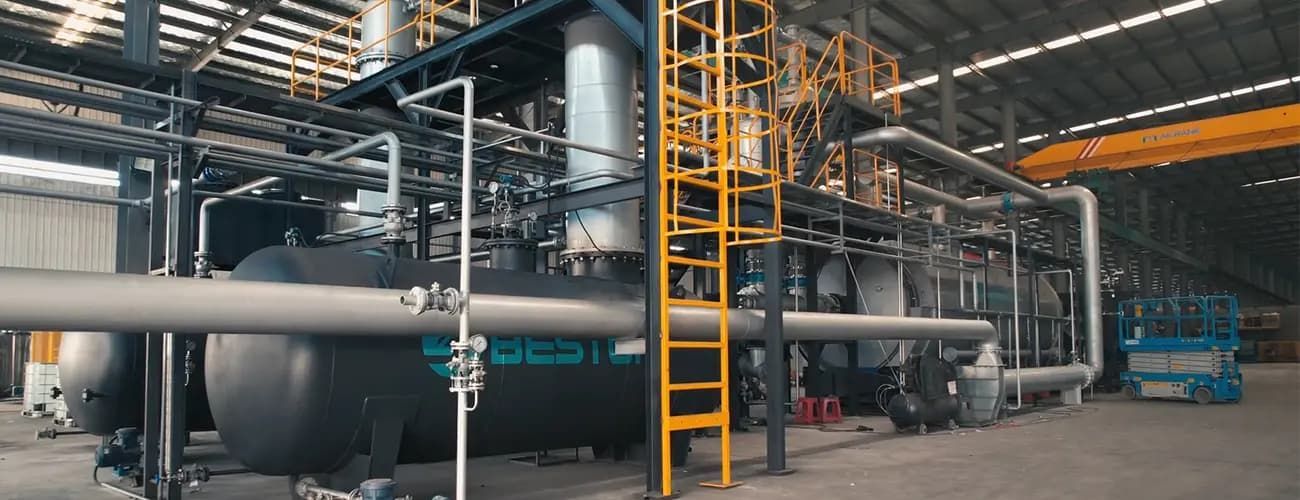
Why Continuous Charcoal Making Equipment Is Becoming the Preferred Choice for Large-Scale Production