Tire Pyrolysis Plant Cost & Profit: Full Business Model Breakdown
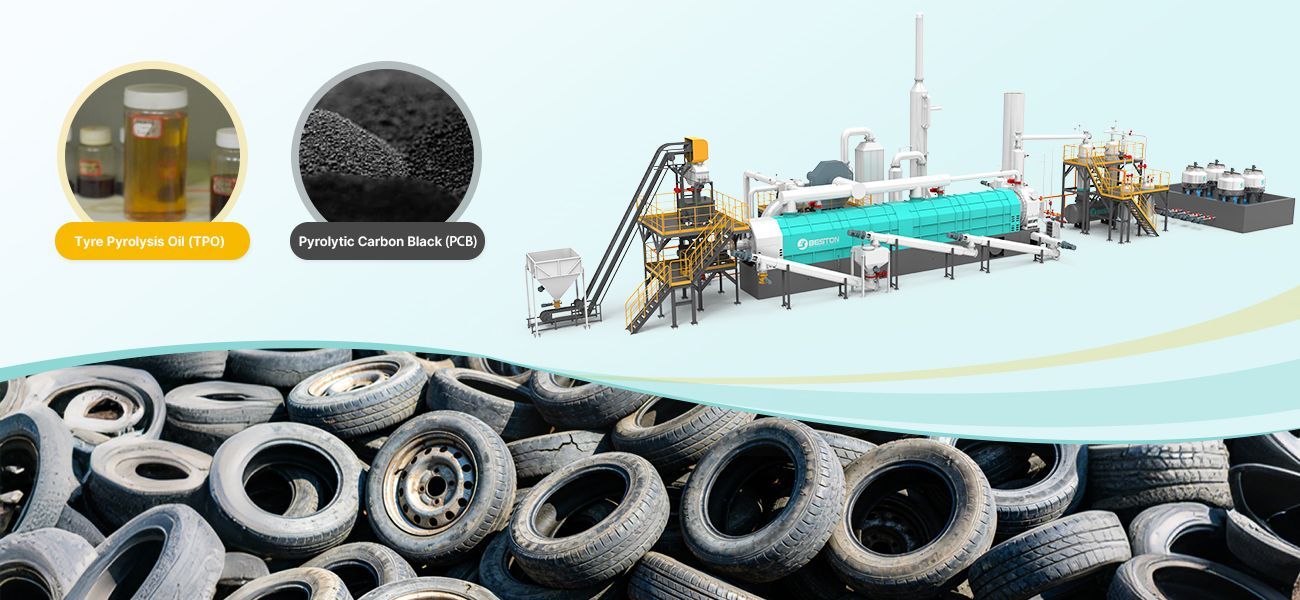
Tire waste management is becoming a critical environmental concern globally. Disposing of old tires in landfills or through open burning not only damages the environment but also wastes potentially valuable resources. Tire pyrolysis offers an innovative solution by converting scrap tires into fuel oil, carbon black, steel, and syngas. Beyond its ecological benefits, it represents a business opportunity, provided the operation is structured efficiently.
Initial Investment Considerations
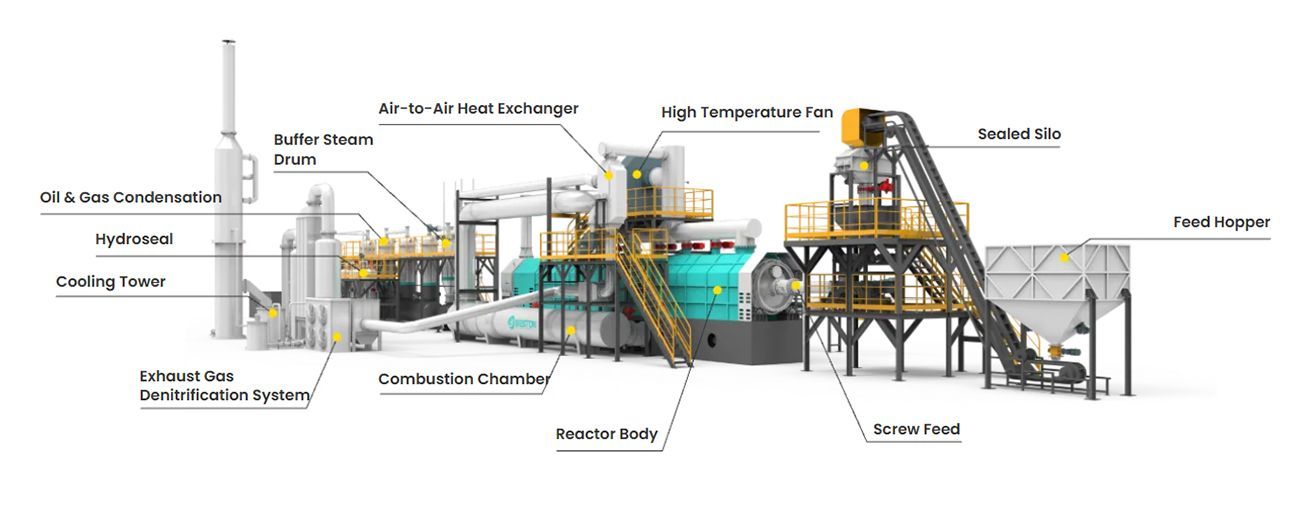
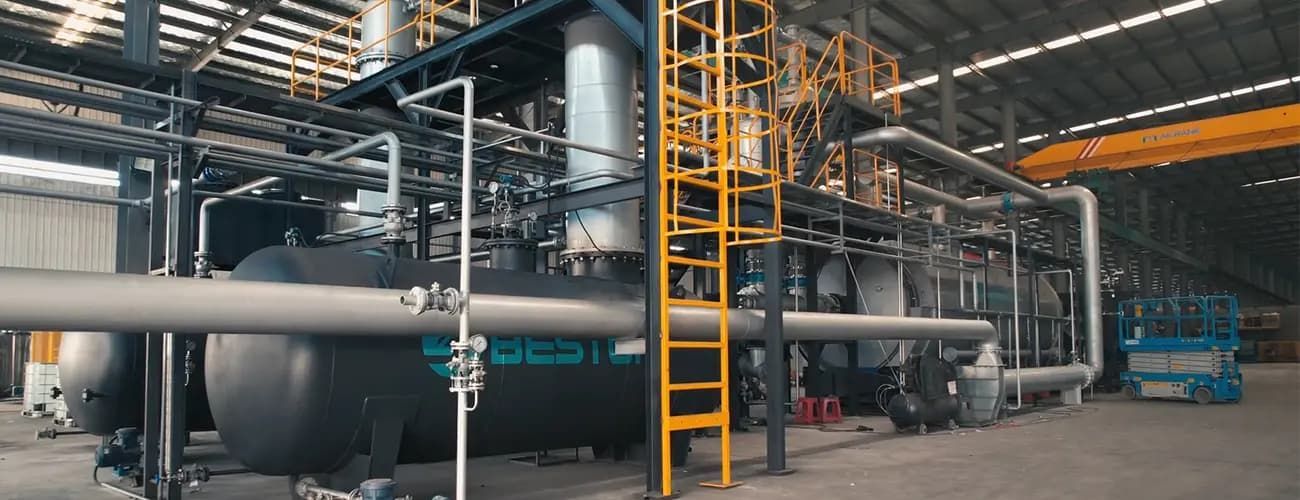
Starting a tire pyrolysis plant involves several layers of investment. Beyond securing a suitable site, the facility requires specialized machinery designed for continuous pyrolysis processing. This includes the core reactor, feeding systems, condensers, gas treatment equipment, and mechanisms to handle byproducts like carbon black and steel wire. In addition, pre-treatment equipment such as shredders is essential to prepare tires for smooth processing. Installation and commissioning, along with regulatory approvals, are part of the initial setup, ensuring that the plant operates safely and meets environmental standards.
Operational Costs
Running a tire pyrolysis plant involves energy, labor, and routine maintenance. Energy is required to heat the reactor to optimal temperatures, while staff are needed to operate machinery, manage feedstock, and oversee quality. Equipment maintenance and occasional replacement of wear-and-tear parts are also necessary to maintain uninterrupted operation. While these costs are ongoing, modern automation and smart control systems can help minimize labor needs and improve energy efficiency.
Revenue Streams
A tire pyrolysis plant generates multiple types of revenue. The primary product is pyrolysis oil, which can be used as fuel or further refined. Carbon black, recovered from the pyrolysis process, can serve industrial applications or be upgraded for higher-value markets. Steel wires extracted from tires are recyclable and can be sold to metal recycling facilities. Non-condensable gases produced during the process can be used internally to fuel the plant, reducing energy costs, or occasionally sold externally depending on demand.
Profitability Factors
Profitability depends on operational efficiency, the quality of the end products, and the ability to maintain a steady supply of scrap tires. Automation, process optimization, and smart monitoring systems enhance consistency, safety, and energy utilization, all of which contribute to better financial performance. Establishing reliable buyers for oil, carbon black, and steel is crucial, as fluctuating market demand can directly impact revenue. Economies of scale also play a role—larger plants benefit from more efficient operations and reduced unit costs, increasing overall profitability.
Strategic Considerations
For long-term success, tire pyrolysis businesses must focus on environmental compliance, technology upgrades, and supply chain management. Ensuring emissions are controlled and adhering to local regulations builds credibility and avoids costly penalties. Investing in modern machinery and IoT-enabled monitoring systems improves productivity and reduces downtime. Finally, maintaining strong relationships with tire suppliers and product buyers helps stabilize operations and financial returns.
In essence, a tire pyrolysis plant represents a business that aligns environmental responsibility with economic opportunity. With thoughtful planning, efficient operations, and high-quality products, it is possible to convert discarded tires into valuable resources, creating a profitable and sustainable enterprise.

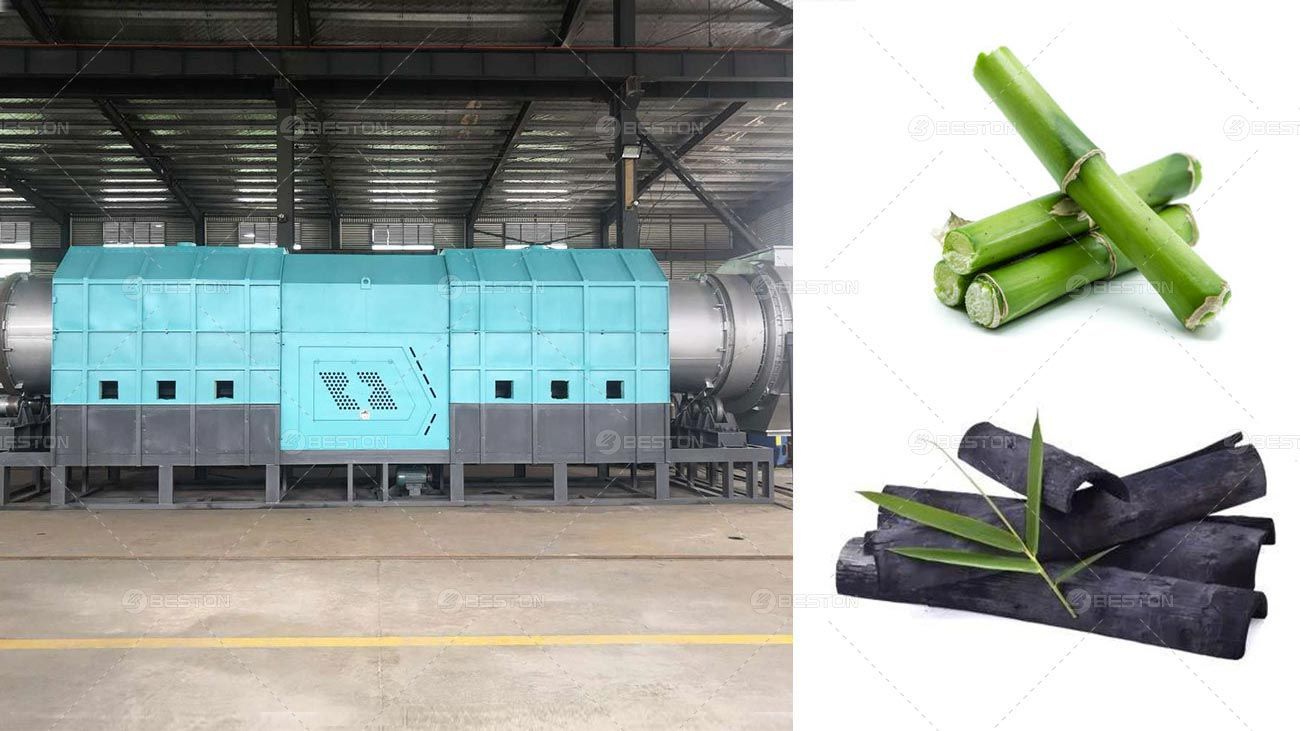

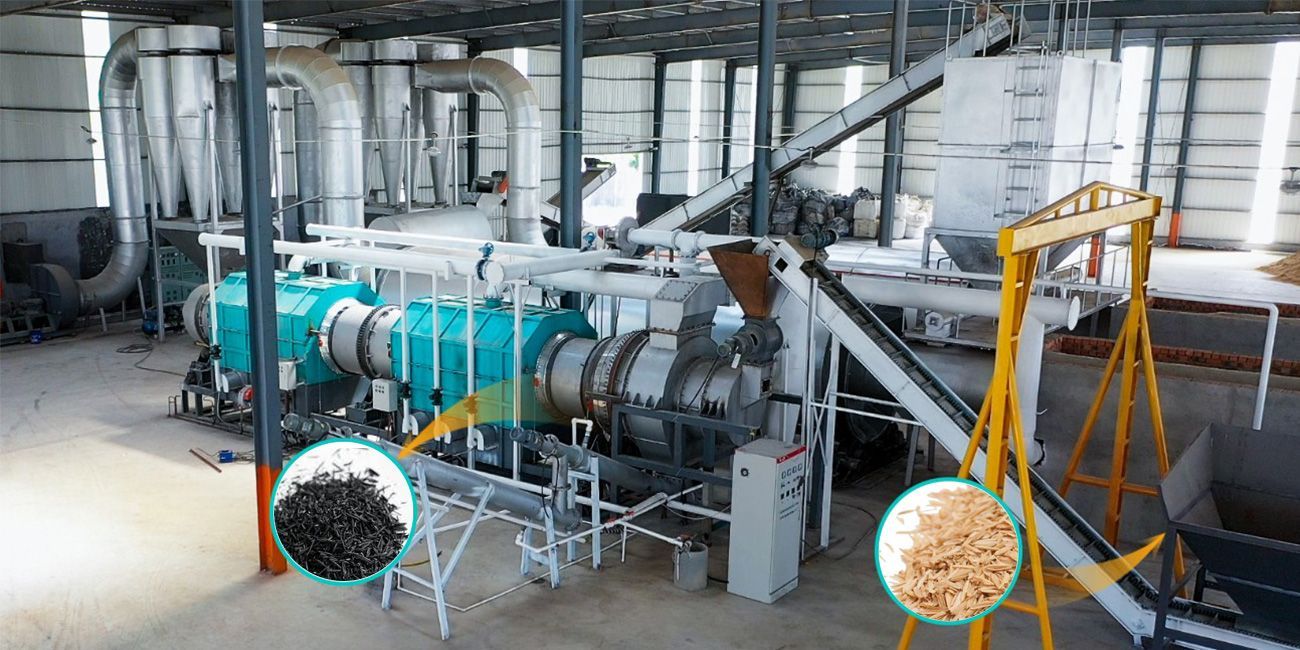
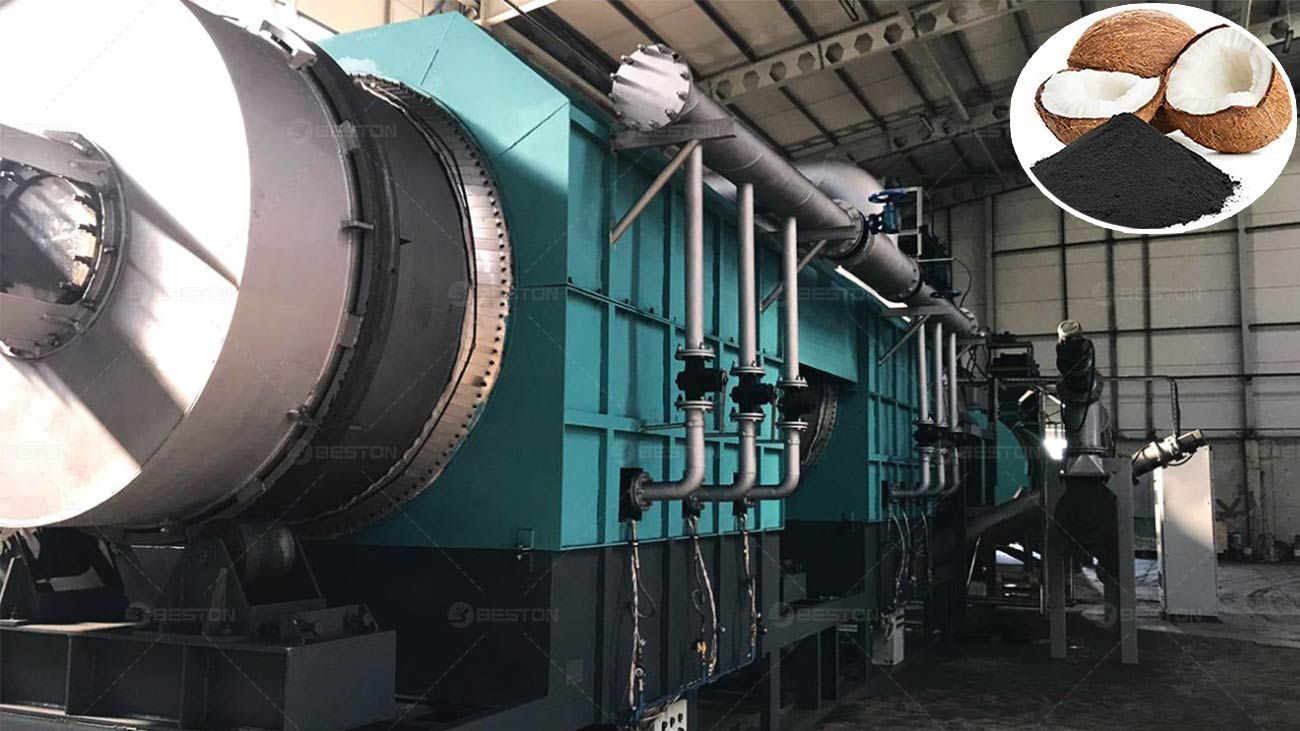
Why Continuous Charcoal Making Equipment Is Becoming the Preferred Choice for Large-Scale Production