Plastic to Oil: The Future of Waste Plastic Upcycling
Plastic pollution is one of the most pressing environmental challenges of our time. Each year, millions of tons of plastic waste end up in landfills, rivers, and oceans, threatening wildlife and ecosystems. Despite increased awareness and recycling initiatives, only a fraction of plastic waste is actually recycled, with much of it being incinerated or dumped. But a promising technology is emerging that could revolutionize the way we deal with plastic waste: converting plastic into oil.
Understanding Plastic Upcycling
Traditional recycling involves breaking down plastic into smaller pieces to create new products, but this process often downgrades the material. For example, recycled plastics may be weaker or less durable than virgin plastics. Upcycling, on the other hand, aims to transform waste into something more valuable. Converting plastic to oil is a perfect example of upcycling. Instead of producing low-quality recycled plastic, this process generates synthetic crude oil that can be refined into fuels, lubricants, and even new plastics.
How Plastic-to-Oil Technology Works
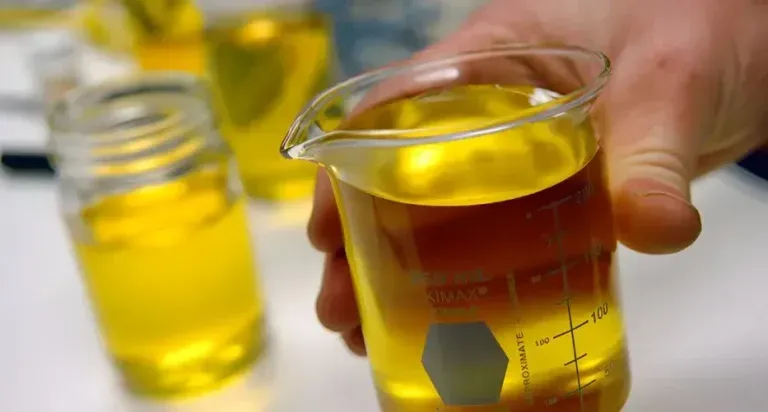
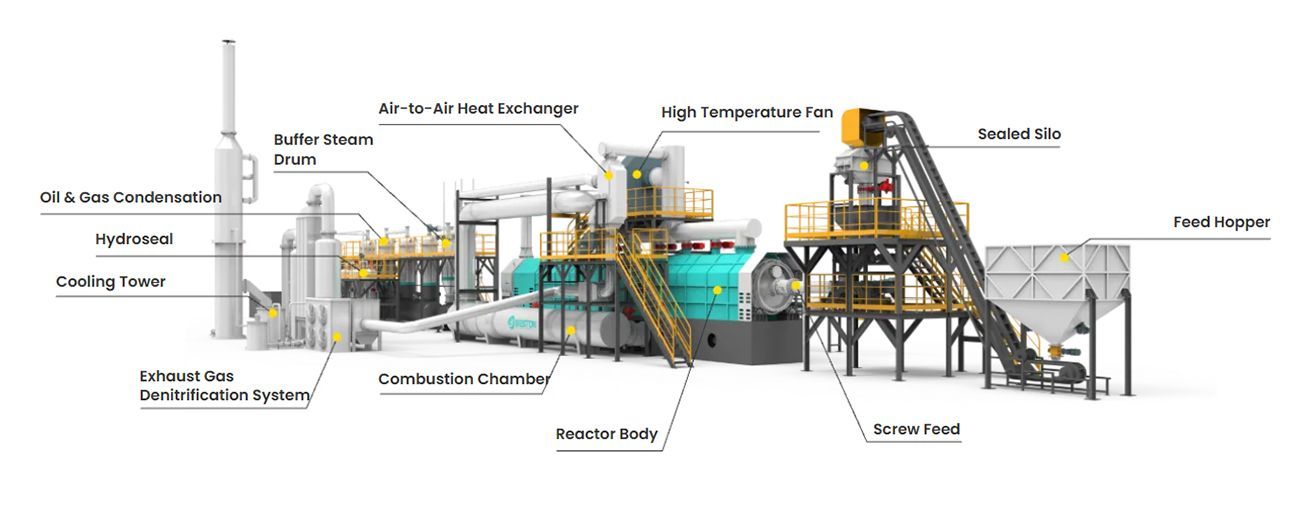
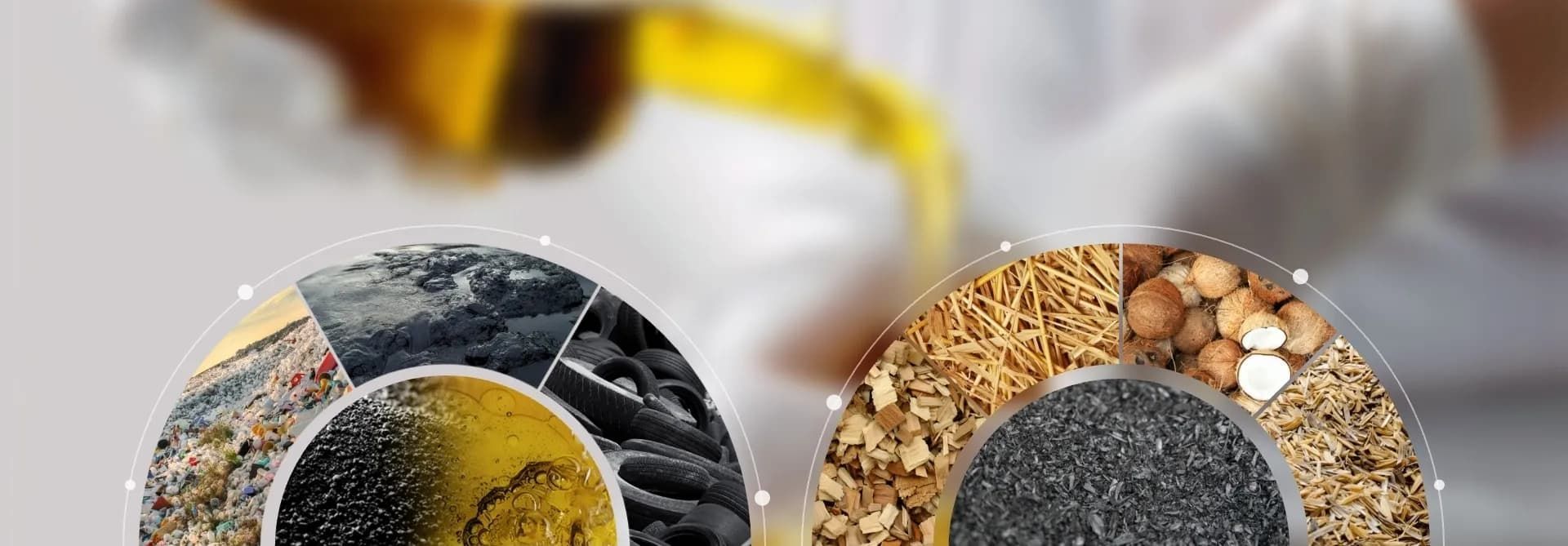
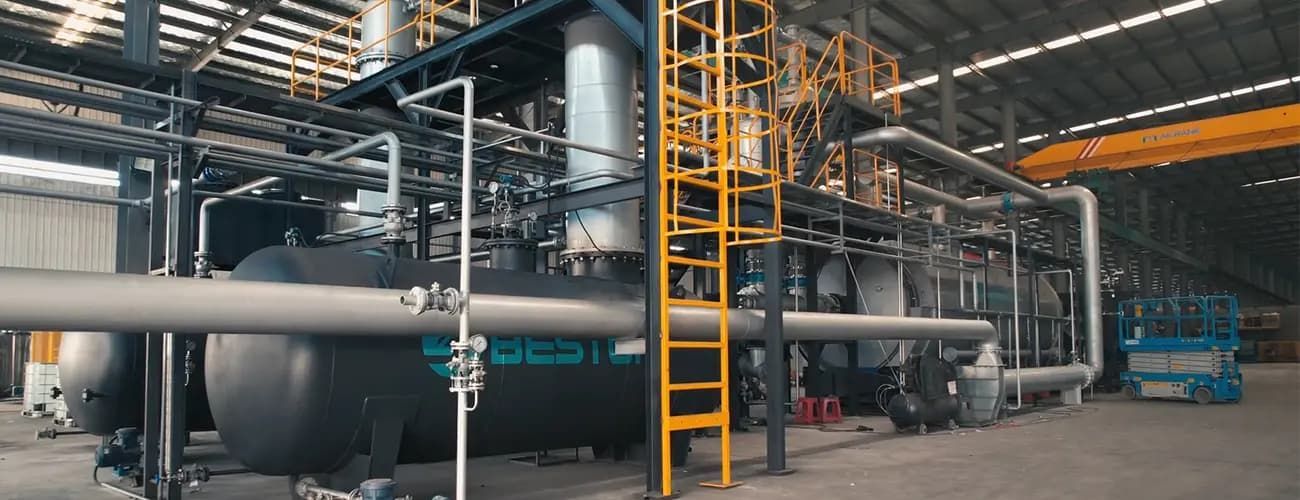
The process of converting plastic to oil primarily relies on pyrolysis, a thermochemical process. In pyrolysis, plastic waste is heated in the absence of oxygen, causing its long polymer chains to break down into smaller hydrocarbon molecules. The resulting substances include liquid oil, gas, and solid residue (char). The oil produced can then be refined into diesel, gasoline, or other petrochemical products, while the gas can be used to fuel the pyrolysis system itself, making the process more energy-efficient.
Another emerging technique is catalytic depolymerization, which uses catalysts to speed up the breakdown of plastic at lower temperatures. This method can yield higher-quality oil with fewer impurities, and it works with a variety of plastics, including hard-to-recycle types like polypropylene and polystyrene.
Environmental Benefits
Plastic into oil machine addresses several environmental problems simultaneously:
- Waste Reduction: By converting non-recyclable plastic into oil, this method significantly reduces the volume of plastic waste that would otherwise end up in landfills or oceans.
- Lower Carbon Footprint: While producing fuel from plastic still generates emissions, it avoids the environmental cost of producing virgin fossil fuels. Some studies suggest that using plastic waste as a feedstock can result in net carbon savings compared to traditional petroleum extraction.
- Pollution Control: By capturing and converting plastics that might otherwise degrade into microplastics, the technology prevents further contamination of soil and waterways.
Economic Opportunities
Plastic-to-oil upcycling also has significant economic potential. The oil produced from plastic can be used in industrial applications or sold as fuel, creating a new revenue stream from what was once considered worthless waste. Startups and established companies are investing in modular pyrolysis units that can be deployed locally, reducing transportation costs and encouraging community-level recycling initiatives.
Moreover, this technology can create jobs in collection, sorting, processing, and refining, contributing to local economies while addressing environmental challenges. Governments may also incentivize adoption through subsidies, tax breaks, or partnerships, accelerating the shift toward circular economies.
The Future of Plastic Upcycling
The conversion of plastic to oil is more than just a technological innovation—it’s a step toward a circular economy where waste is no longer a problem but a resource. Researchers are exploring ways to improve efficiency, reduce emissions, and integrate renewable energy sources. Some even envision decentralized pyrolysis units at the community level, turning plastic waste into local fuel and reducing transportation costs.
In the long term, plastic-to-oil upcycling could complement other waste management strategies such as mechanical recycling, bioplastics, and policy measures like plastic bans and extended producer responsibility. The ultimate goal is a world where plastic is no longer an environmental burden but a renewable resource in the global energy and materials system.
Conclusion
Plastic-to-oil technology offers a transformative approach to one of the 21st century’s most urgent environmental issues. By turning waste into valuable fuel, it addresses pollution, reduces reliance on fossil fuels, and opens new economic opportunities. While challenges remain, continued innovation, investment, and policy support could make upcycling plastic into oil a mainstream solution in the near future. In a world drowning in plastic, this technology provides a glimmer of hope—a way to turn waste into wealth and pollution into progress.
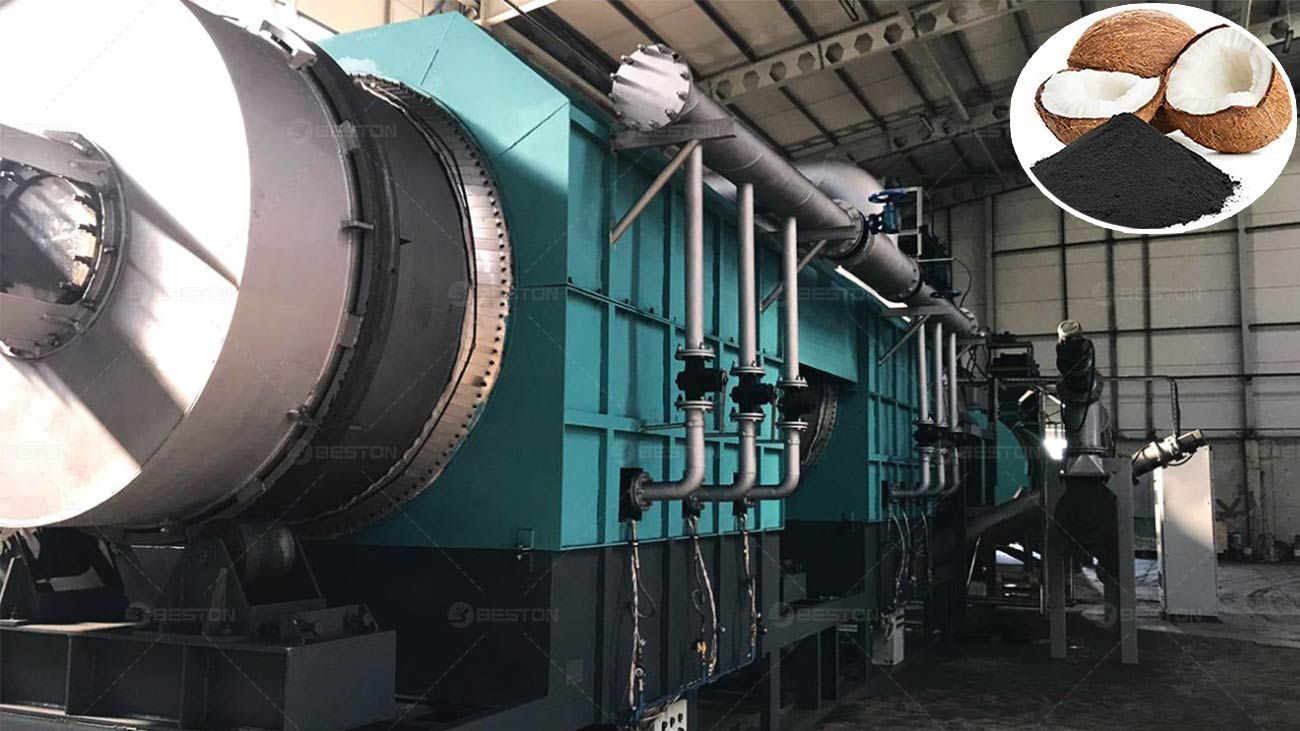
Why Continuous Charcoal Making Equipment Is Becoming the Preferred Choice for Large-Scale Production