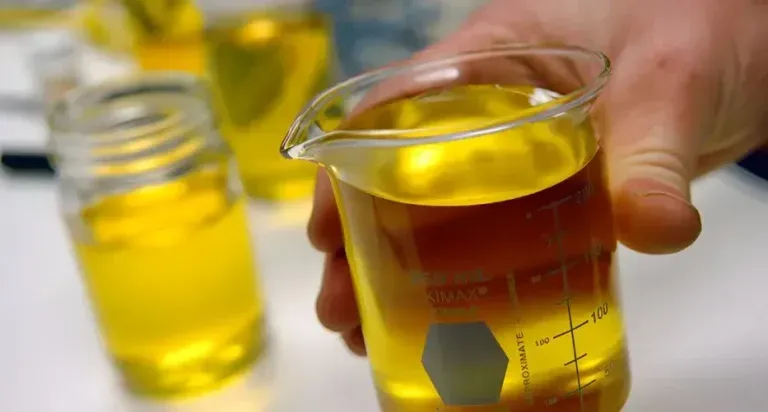
Which Plastics Can Be Used to Produce Pyrolysis Oil?
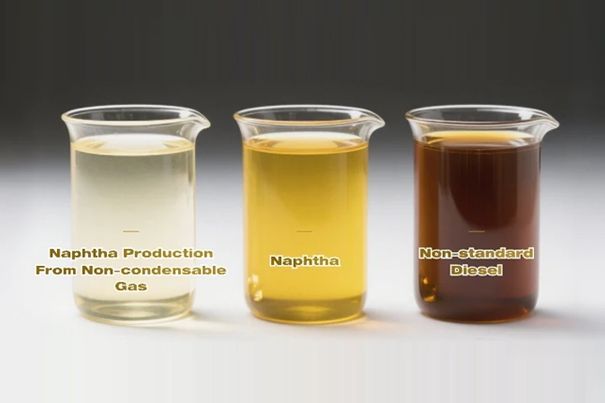
Pyrolysis technology offers a powerful solution to the global plastic waste crisis. By converting discarded materials back into valuable resources—specifically pyrolysis oil—this process creates an opportunity to turn waste into wealth. This oil can be used as industrial fuel or further refined into diesel and gasoline.
However, a common question for newcomers to the industry is whether they can simply process all types of plastic waste together. The answer requires a basic understanding of polymer chemistry.
Why Plastic Type Matters
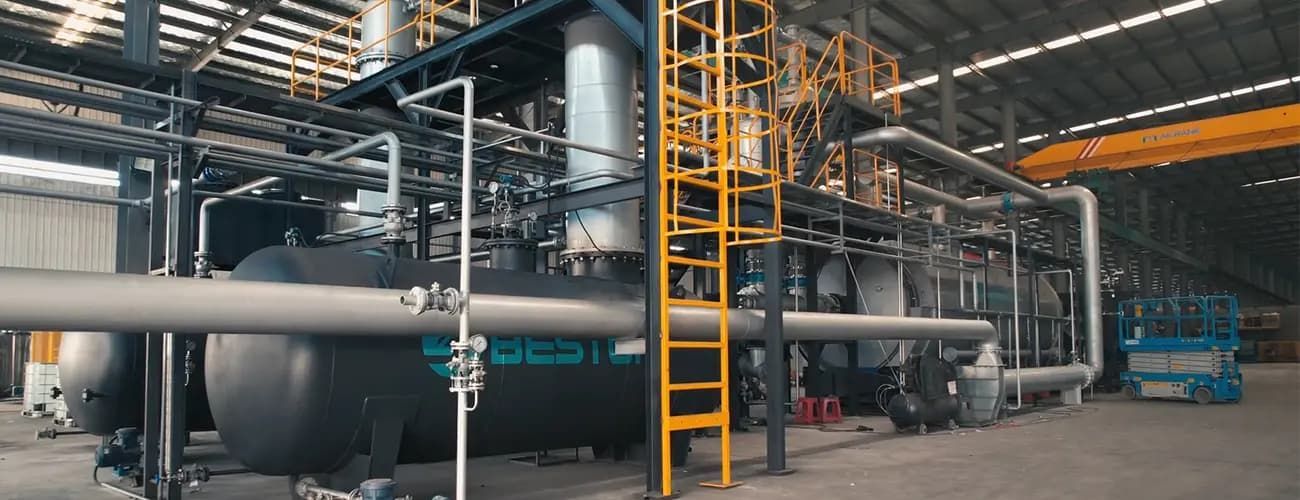
Not all plastics are created equal. The chemical composition of the feedstock dramatically affects both the oil yield and the safety of the operation. When plastics are heated without oxygen, their molecular bonds break down. Some polymers crack cleanly into short-chain hydrocarbons, while others release corrosive gases or leave behind excessive solid residue. Explore plastic pyrolysis equipment for more.
The Ideal Feedstock: High-Yield Plastics
If your goal is to maximize liquid oil output, you want to focus on polyolefins. These materials are essentially polymers made from simple hydrocarbons, and they break down into hydrocarbon liquids very efficiently.
- Polypropylene (PP) , found in food containers, bottle caps, and automotive parts, is one of the best feedstocks available. Its molecular structure cracks easily under heat, producing a high volume of liquid oil with good calorific value. Depending on processing conditions, oil yields can reach 80 to 90 percent.
- Polyethylene (PE) , which includes the plastic bags, milk jugs, and shampoo bottles we use every day, performs similarly. As a straight-chain hydrocarbon, it is considered the workhorse of plastic pyrolysis. While it can sometimes produce more waxes than PP, modern catalytic cracking systems handle this effectively, typically yielding 70 to 85 percent oil.
- Polystyrene (PS) , the material used for disposable coffee cups and packaging foam, behaves differently. It is essentially a solid form of styrene monomer. Upon heating, it depolymerizes readily, breaking back down into a monomer-rich liquid. This produces a high-octane, aromatic oil with yields reaching 85 to 90 percent.
The common thread here is simple chemistry. PP, PE, and PS are pure hydrocarbons. When you heat them, they naturally revert to hydrocarbon liquids, creating a true circular economy success story.
The Problematic Feedstock: Why Some Plastics Cause Trouble
While pyrolysis can technically process almost any carbon-based material, two common plastics create significant operational challenges. These materials require specialized and expensive pre-treatment or reactor designs.
- Polyvinyl Chloride (PVC) , used extensively in pipes, window frames, and wire insulation, presents the most serious problem. PVC contains roughly 43 percent chlorine by molecular weight. When heated, it releases hydrochloric acid gas. This acid mixes with steam and condenses, rapidly corroding metal reactors, condensers, and pipes. The chlorine also contaminates the pyrolysis oil itself. Burning chlorinated oil can produce toxic dioxins, making extensive dechlorination necessary. The clear recommendation is to avoid PVC entirely unless your system includes dedicated dechlorination equipment.
- Polyethylene Terephthalate (PET) , the material used for soda bottles and polyester clothing, creates different but equally challenging issues. PET contains oxygen in its molecular chain. Unlike PP or PE, it does not melt and flow smoothly. Instead, it undergoes decarboxylation, breaking down primarily into benzoic acid and other oxygenated compounds. This chemistry results in very low oil yields and leaves behind significant solid char. The acidic residues produced also contribute to corrosion problems. While PET is recyclable through mechanical means, it makes a poor candidate for pyrolysis aimed at oil production.
The Reality of Mixed Plastics
In practice, waste is rarely pure. Most industrial pyrolysis plants operate on mixed plastic waste from household or commercial sources. This approach can work successfully as long as contaminants remain below approximately five percent.
A typical acceptable mixed load might consist primarily of polyethylene in both film and rigid forms, supported by significant portions of polypropylene and some polystyrene. Small amounts of dirt, labels, and non-PVC contaminants are generally manageable.
Conclusion
The profitability and safety of any plastic pyrolysis operation ultimately hinge on feedstock selection. By focusing on polypropylene, polyethylene, and polystyrene while aggressively removing PVC and PET, operators can protect their equipment, maximize oil yields, and produce higher quality end products. Understanding the chemistry of your waste is the first and most important step toward a successful pyrolysis operation.
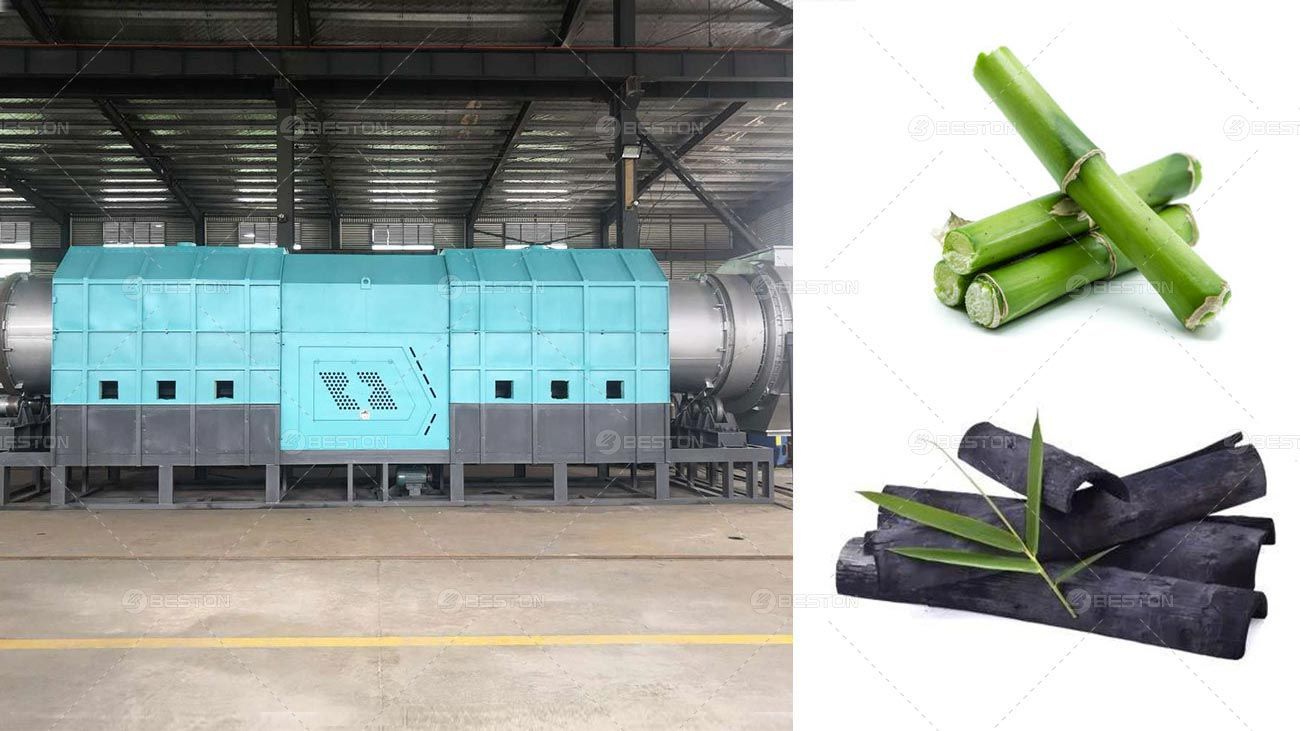
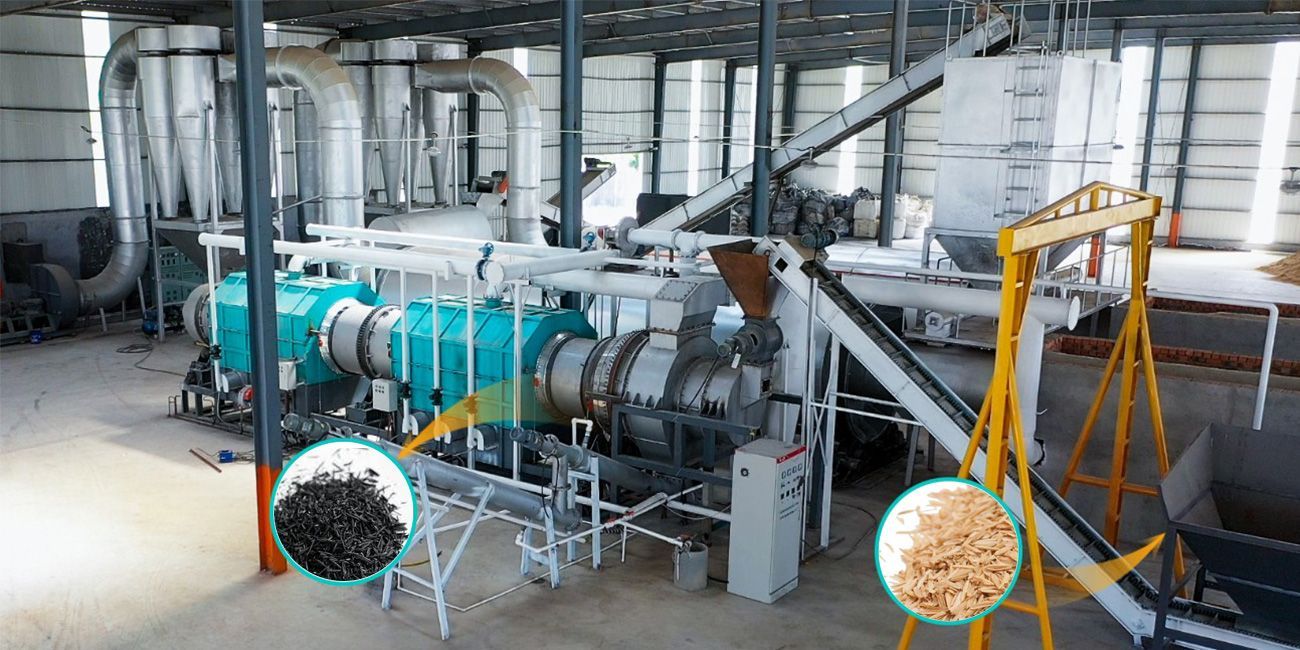
Why Continuous Charcoal Making Equipment Is Becoming the Preferred Choice for Large-Scale Production