How to Implement a Tyre Oil Plant Project
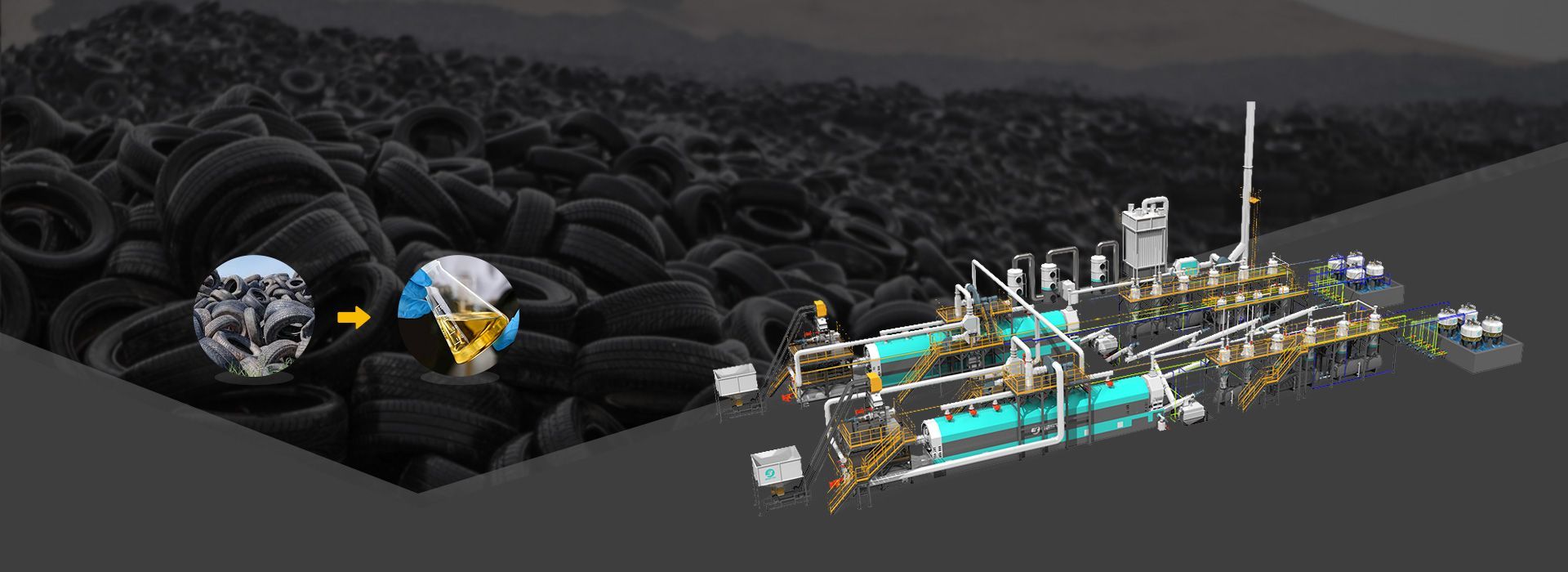
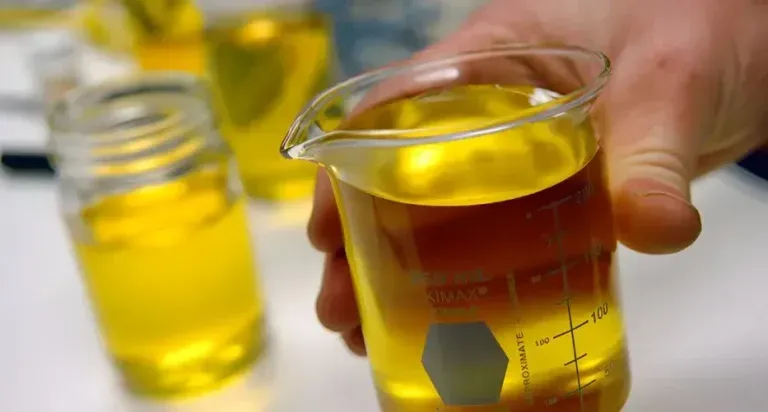
Waste tyres are a growing environmental challenge worldwide. Disposing of them in landfills or burning them releases harmful pollutants and contributes to environmental degradation. One sustainable solution is setting up a tyre oil plant, which converts scrap tyres into valuable products like pyrolysis oil, carbon black, steel wire, and combustible gas.
Implementing a tyre oil plant project requires careful planning, investment, and technical knowledge. Here’s a step-by-step guide on how to turn this idea into a successful, operating plant.
1. Conduct Feasibility Study
Before investing in machinery or land, it’s essential to assess whether the project is viable:
- Market analysis: Research the demand for tyre oil, carbon black, and other by-products in your region.
- Raw material supply: Ensure a steady supply of scrap tyres. Partnerships with local tyre recyclers or tyre shops can secure consistent input.
- Regulations and permits: Check local environmental regulations for waste processing, air emissions, and industrial operations.
- Financial analysis: Estimate the project cost, expected revenue, and payback period.
A comprehensive feasibility study reduces risk and ensures your project is grounded in reality.
2. Choose the Right Plant Capacity and Technology
Tyre oil plants come in various scales, from small batch units to fully continuous industrial plants. Choosing the right capacity depends on:
- Raw material availability: How many tonnes of scrap tyres you can source per day.
- Market demand: How much tyre oil and by-products can you sell.
- Budget: Larger plants require higher capital investment but offer better efficiency and output.
Technology choice matters: Continuous pyrolysis systems are more efficient for large-scale projects, while batch systems are suitable for small or pilot projects. Key features to consider include automatic feeding, oil condensation efficiency, and emission control systems.
3. Select a Suitable Location
Location affects logistics, costs, and environmental compliance:
- Accessibility: Easy transport for tyre collection and product delivery.
- Safety and zoning: Adequate distance from residential areas; compliance with industrial zoning.
- Utilities: Availability of electricity, water, and waste treatment facilities.
A well-chosen location reduces operational challenges and ensures smoother regulatory approvals.
4. Procure Equipment and Install Plant
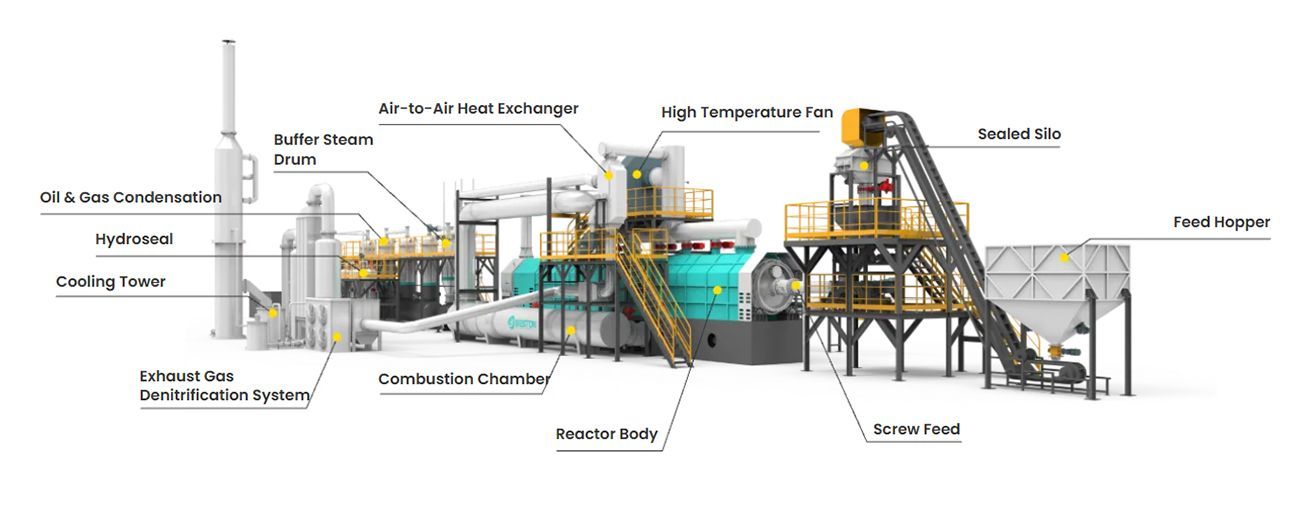
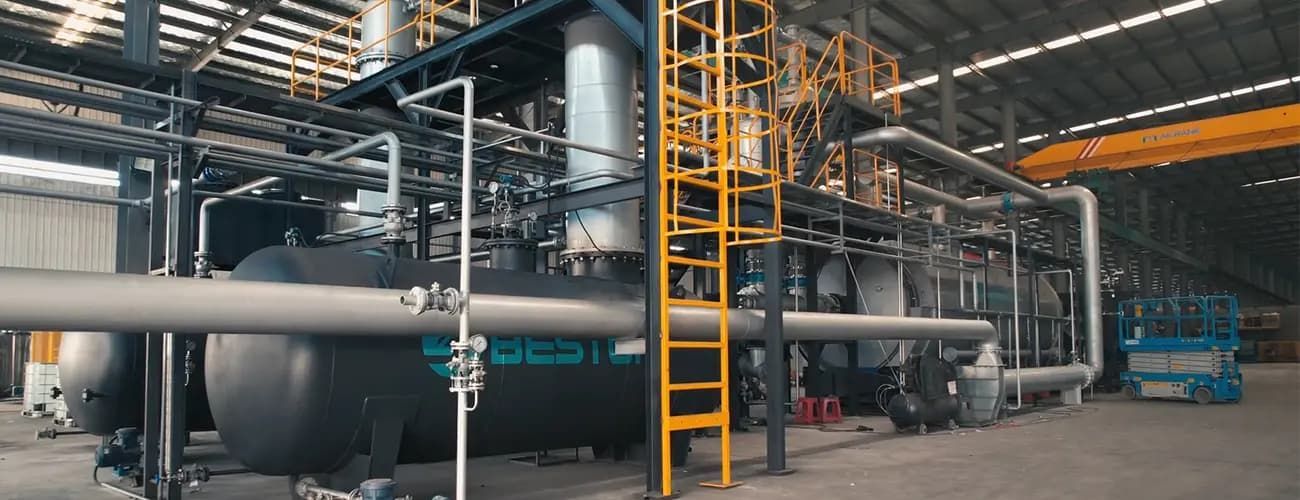
A tyre oil plant includes several key components:
- Pyrolysis reactor: Where tyres are thermally decomposed into oil, gas, and carbon black.
- Condensation system: Converts pyrolysis gas into liquid tyre oil.
- Cooling system: Safely cools the product to prevent fire hazards.
- Carbon black collection system: Collects solid carbon black for sale or further processing.
- Emission control: Filters and scrubbers to reduce smoke and harmful gases.
Work with reliable suppliers who provide installation guidance and technical support to ensure smooth operation.
5. Hire and Train Staff
A tyre oil plant requires trained operators for safe and efficient operation. Key roles include:
- Plant manager or supervisor
- Operators for reactor and condensing systems
- Safety officer for compliance with regulations
- Maintenance technicians
Proper training on operational procedures, safety protocols, and emergency responses is essential to prevent accidents and maintain efficiency.
6. Secure Financing
Tyre oil plants require capital for equipment, construction, permits, and working capital. Financing options include:
- Bank loans or industrial loans
- Government subsidies for recycling or environmental projects
- Private investors or joint ventures
A well-prepared business plan with projected ROI improves your chances of securing funding.
7. Implement Operations and Market Products
Once the plant is operational, focus on:
- Efficient production: Optimize feed rate, temperature, and condensation to maximize oil yield.
- Quality control: Ensure tyre oil, carbon black, and other by-products meet market standards.
- Sales channels: Sell tyre oil to industrial users, carbon black to manufacturers, and steel wire for recycling.
Marketing the products effectively ensures profitability and long-term sustainability.
8. Monitor, Maintain, and Upgrade
Continuous monitoring and maintenance are crucial for longevity and safety:
- Regularly inspect reactors, pipelines, and condensers.
- Maintain emission control equipment to comply with environmental regulations.
- Upgrade technology when feasible to increase efficiency and reduce operational costs.
A well-maintained tyre oil plant can operate for many years, turning waste tyres into a reliable source of revenue and energy.
Conclusion
Launching a tyre oil plant project is both environmentally beneficial and potentially profitable. By carefully planning, choosing the right technology, securing financing, and following proper operational and safety practices, you can turn scrap tyres into valuable resources.
A tyre oil plant is not just a business—it’s a step toward sustainable waste management and cleaner energy.

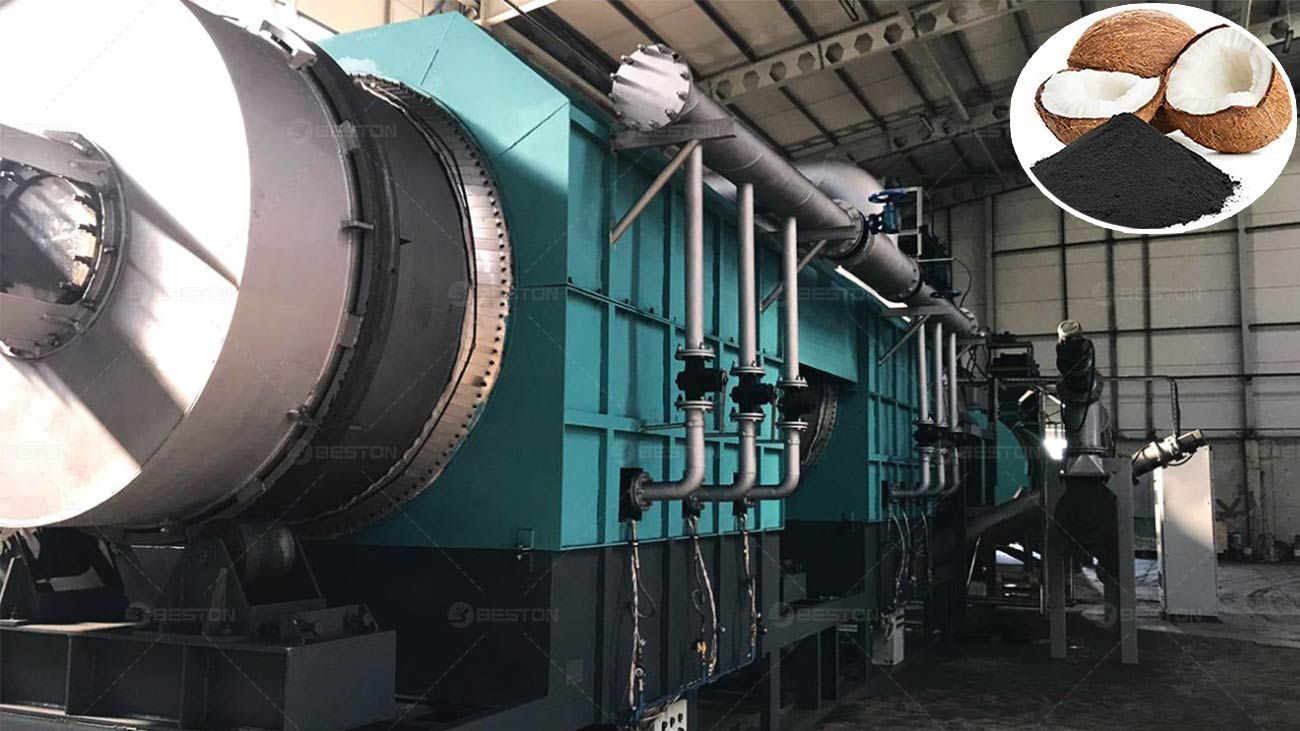
Why Continuous Charcoal Making Equipment Is Becoming the Preferred Choice for Large-Scale Production