Engineering Pitfalls Guide: Pyrolysis Machinery Project Construction
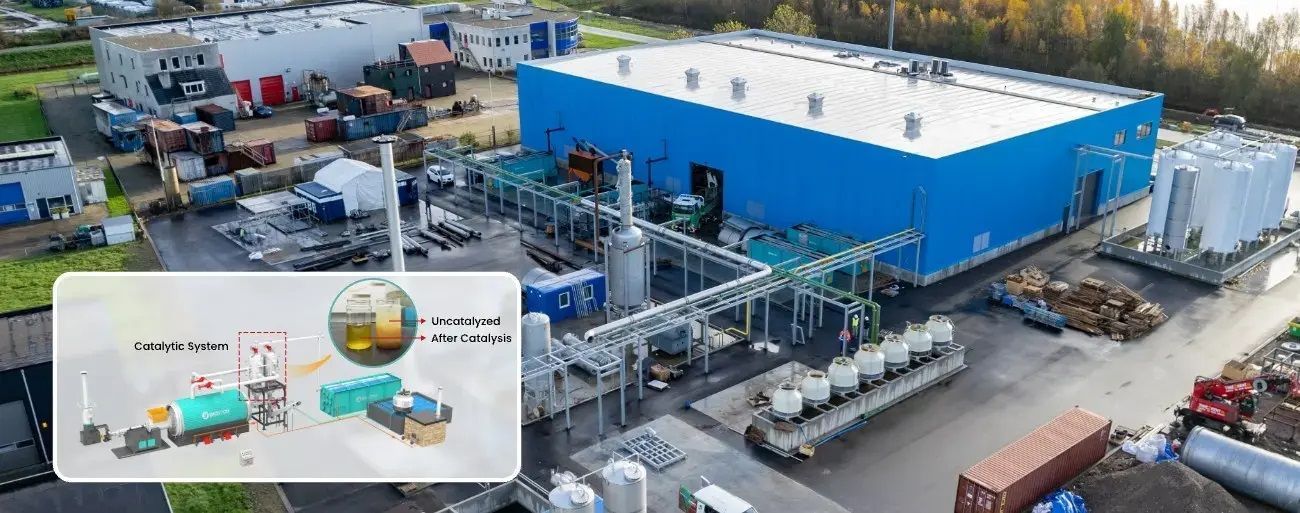
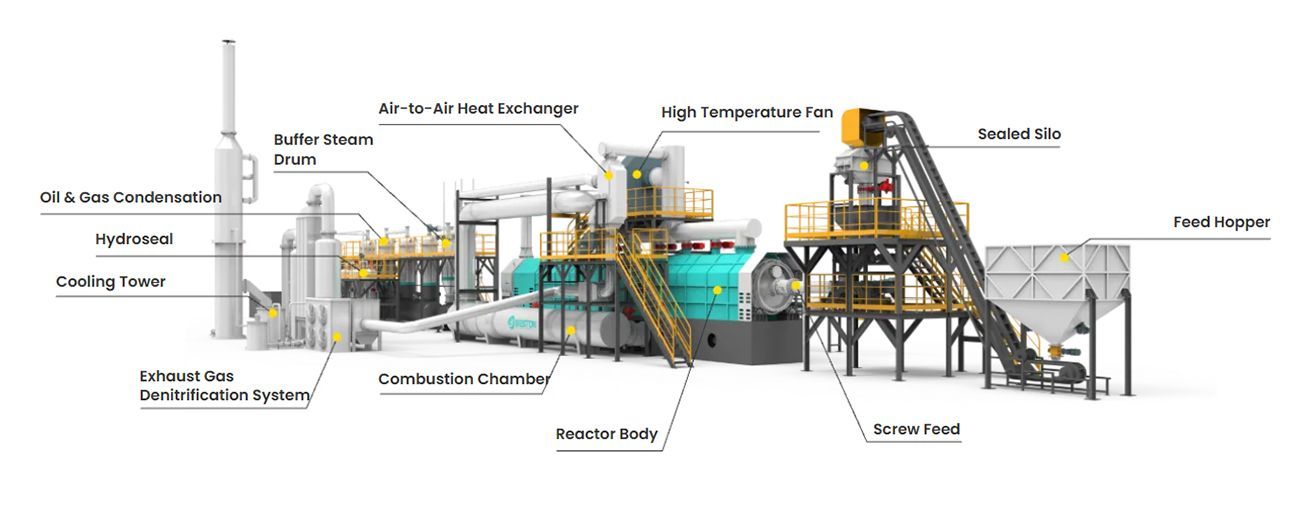
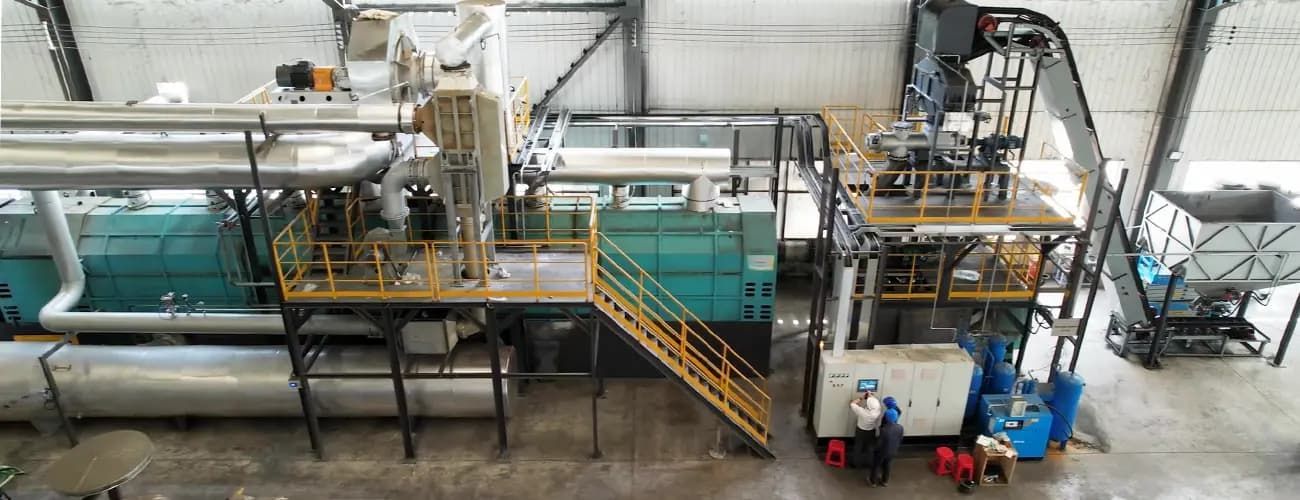
Building a pyrolysis machinery project is not just about installing equipment and turning it on. It is a complex engineering system that integrates thermal processes, mechanical design, environmental controls, and long-term operational stability. Many projects fail not because the technology is immature, but because of avoidable engineering mistakes made during planning, procurement, construction, or commissioning. This guide highlights common pitfalls and how to avoid them in real-world deployment.
1. Underestimating Feedstock Variability
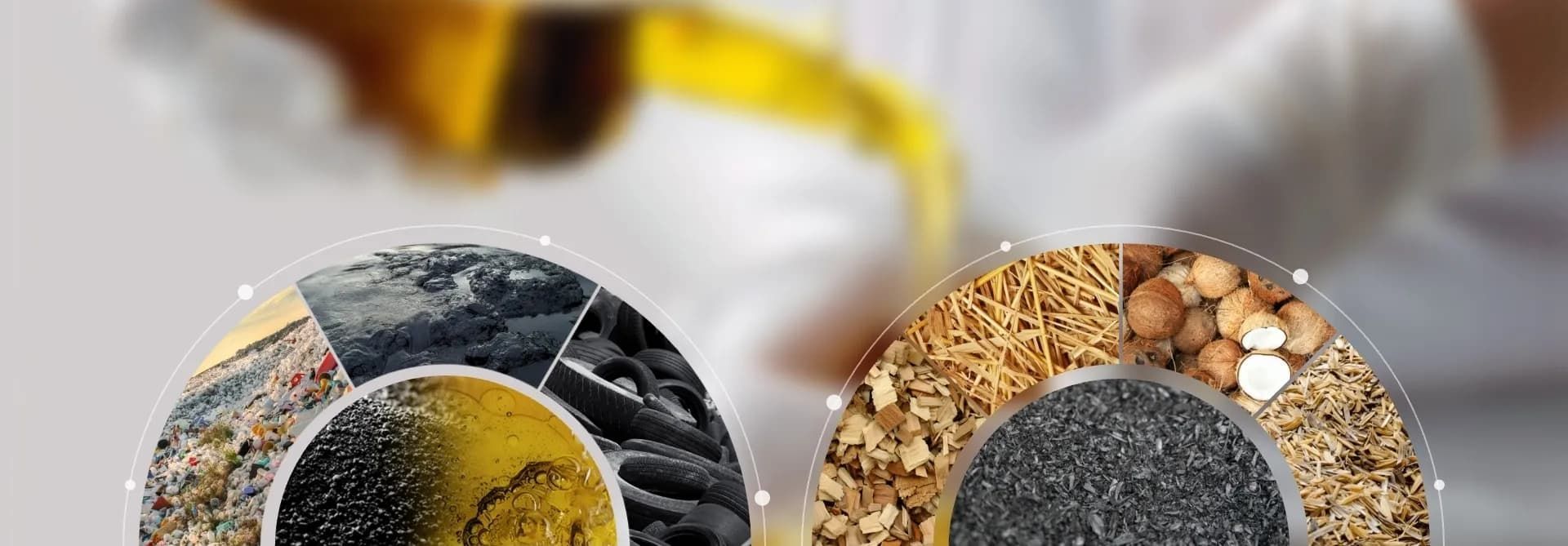
One of the most frequent mistakes is assuming that pyrolysis feedstock will remain consistent. In reality, materials such as waste tires, plastics, biomass, or sludge often vary significantly in moisture content, particle size, and chemical composition.
If the system is designed for a “standard” feedstock without flexibility, operators may face unstable reactor temperatures, incomplete pyrolysis, or excessive tar formation. A robust project must include pre-treatment systems such as shredding, drying, and sorting, along with a reactor design that tolerates fluctuations.
2. Poor Thermal System Design
Pyrolysis is fundamentally a heat-driven chemical decomposition process. Inefficient thermal design leads to cascading problems: high energy consumption, uneven heating, carbon residue buildup, and low oil yield.
A common oversight is insufficient insulation or poorly designed heat distribution in the reactor. Another is neglecting heat recovery systems from flue gas or product gas. In a well-designed system, energy recycling is not optional—it is essential for economic viability.
3. Gas Handling and Safety Risks
Pyrolysis generates combustible gases such as methane, hydrogen, and carbon monoxide. Improper gas handling is one of the most dangerous engineering failures in these projects.
Typical mistakes include undersized gas scrubbers, inadequate pressure control, or missing flame arrestors. Safety systems should never be treated as secondary add-ons. Instead, they must be integrated into the core process design, including real-time gas monitoring, emergency shutdown systems, and explosion-proof equipment.
4. Overlooking Environmental Compliance Early
Many projects treat emissions control as a final-stage concern, only to discover later that regulatory requirements cannot be met without major redesign.
This is especially critical in regions with strict environmental standards. Dioxins, particulate matter, acidic gases, and VOCs must be addressed with properly designed condensation, filtration, and scrubbing systems. Retrofitting environmental controls after construction is expensive and often ineffective.
5. Equipment Selection Based on Price Alone
Cost-driven procurement is another major pitfall. Choosing reactors, condensers, or control systems purely based on lowest price often leads to reliability issues.
Inferior steel quality in reactors can lead to deformation under high temperature. Low-grade seals and valves may cause gas leakage. A lifecycle cost approach is more appropriate than upfront cost comparison. Durability, maintenance frequency, and downtime losses should all be considered.
6. Insufficient Automation and Process Control
Modern pyrolysis systems require precise control of temperature, pressure, and feed rate. Manual or semi-manual operation increases variability and risk.
A common mistake is underinvesting in PLC systems or sensor networks. Without proper data feedback loops, operators cannot detect early signs of process instability. Automation is not about replacing humans—it is about ensuring consistent operating conditions.
7. Weak Commissioning and Operator Training
Even a well-designed system can fail during commissioning if operators are not properly trained. Misinterpretation of temperature curves, incorrect startup sequences, or delayed response to abnormal pressure can cause serious damage.
A structured commissioning phase should include gradual load testing, emergency scenario drills, and detailed SOP documentation. Operator training is as important as equipment installation.
Conclusion
Pyrolysis machinery projects sit at the intersection of chemical engineering, mechanical systems, and environmental science. Success depends less on the concept itself and more on execution quality. By addressing feedstock variability, thermal design, safety systems, environmental compliance, equipment selection, automation, and training early in the project lifecycle, engineers can dramatically improve both performance and profitability. In short, the real challenge is not building a pyrolysis plant—it is building one that runs safely, efficiently, and sustainably over the long term.
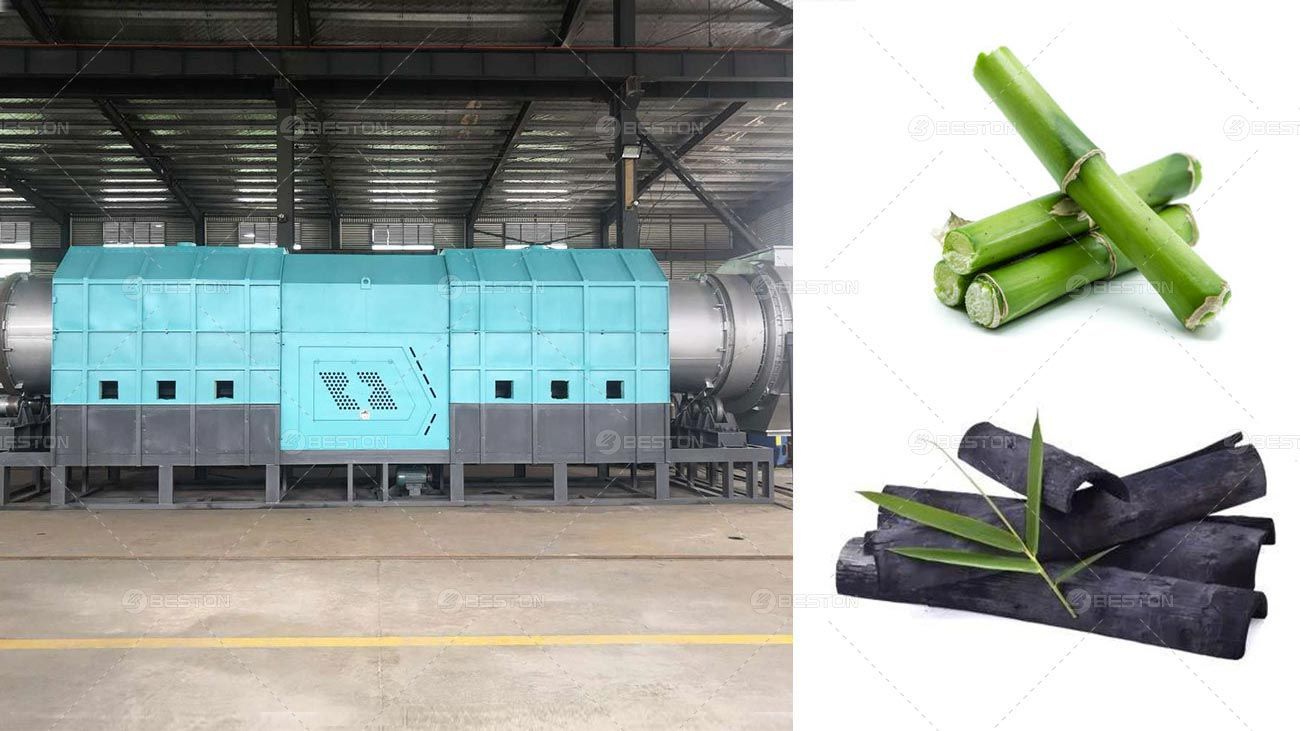
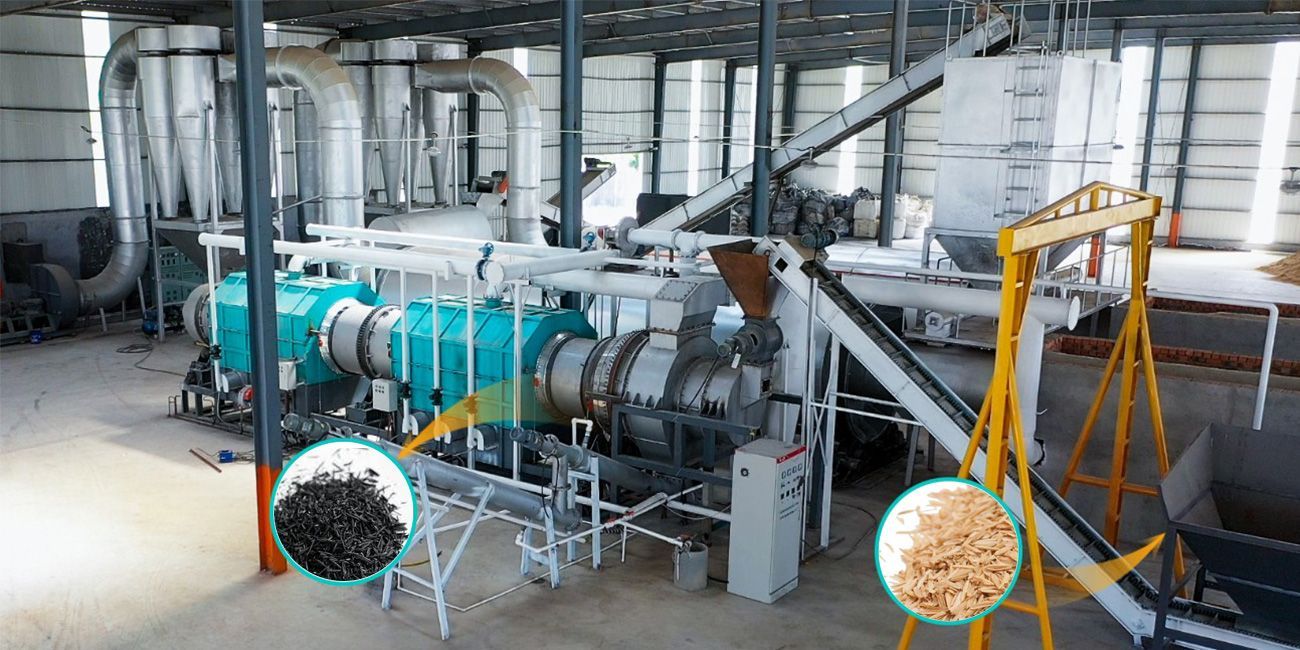
Why Continuous Charcoal Making Equipment Is Becoming the Preferred Choice for Large-Scale Production