Under the Environmental Storm, How Did “Illegal Backyard Oil Makers” Become the “Regular Army”?
Under the Environmental Storm, How Did “Illegal Backyard Oil Makers” Become the “Regular Army”?
For decades, the waste tire recycling industry carried a controversial reputation. In many regions, discarded tires were once considered a difficult-to-handle waste stream, piling up in landfills or being processed by small, informal workshops. These early operations were often called “backyard oil factories” because they relied on outdated technology, lacked environmental controls, and focused mainly on extracting fuel products quickly and cheaply. However, under the pressure of environmental regulations and industrial transformation, the industry has undergone a dramatic evolution. The former “wild operators” are gradually being replaced by modern, compliant enterprises equipped with advanced technology, safety systems, and environmental qualifications.
The story of waste tire pyrolysis is, in many ways, a story of industrial upgrading.
From Small Workshops to a Regulated Industry
In the early stage of the waste tire recycling industry, many small-scale operators entered the market because the investment requirements were relatively low. Their goal was simple: turn waste tires into usable oil products. These informal workshops often used basic batch-processing equipment with limited pollution-control measures. Problems such as uncontrolled emissions, poor waste management, and unsafe production conditions created significant environmental concerns.
Because of these issues, the public image of the industry suffered. The phrase “tire oil” was often associated with low-quality production and environmental damage rather than resource recovery. Many operators were viewed as “temporary businesses” that disappeared when regulations became stricter.
However, waste tires remained a valuable resource. They contain carbon materials, steel, and hydrocarbons that can be recovered through proper treatment. As environmental awareness increased, governments and industries began demanding higher standards for recycling technologies. This created the conditions for a new generation of enterprises.
The Rise of the Modern Tire to Oil Plant
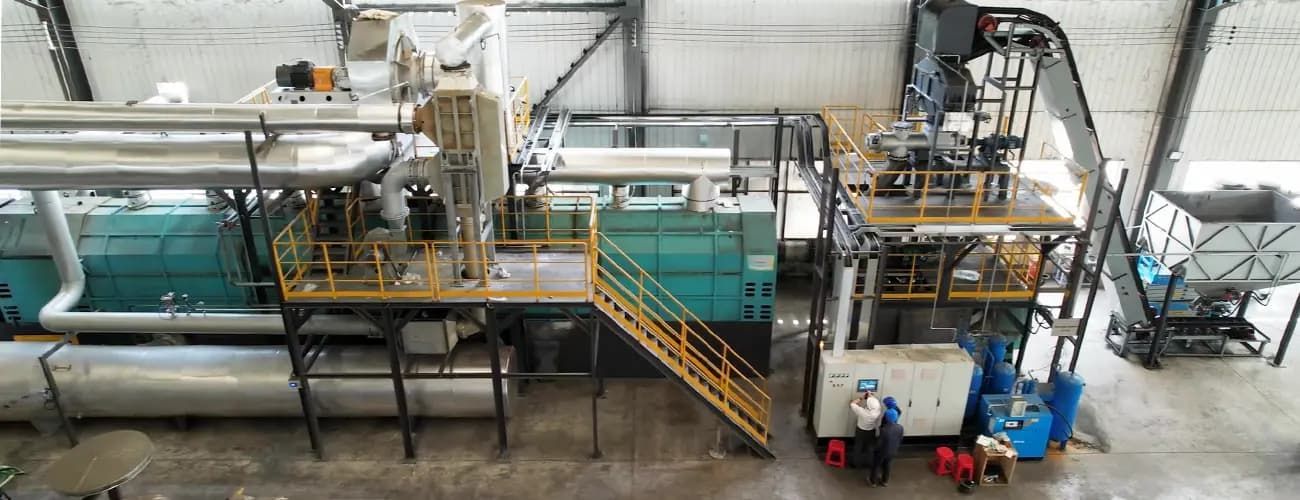
Today, a professional tire to oil plant represents a completely different approach compared with traditional backyard operations. Modern facilities use advanced continuous pyrolysis systems designed to improve efficiency, safety, and environmental performance.
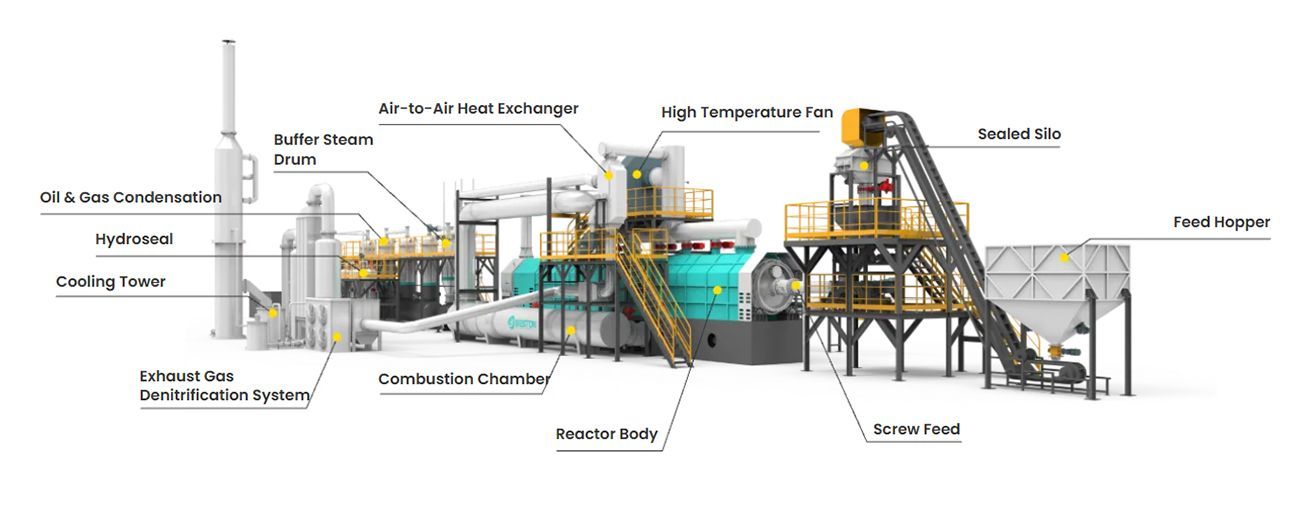
Unlike old batch-style workshops, contemporary plants focus on automation and process control. Feeding systems, temperature management, gas recycling, and oil collection are carefully monitored to ensure stable production. The goal is no longer simply extracting oil from waste tires, but creating a complete circular economy solution.
A qualified tire to oil plant must now meet stricter requirements, including environmental impact assessments, safety certifications, emission-control standards, and proper waste-handling procedures. These requirements have raised the industry entry barrier and eliminated many unqualified operators.
The transformation is similar to the development of many other industries: once dominated by small informal businesses, the sector gradually becomes standardized through technology, regulation, and professional management.
Environmental Regulations as a Driving Force
Environmental policies have played a crucial role in pushing the waste tire recycling industry toward modernization. Stricter regulations forced companies to invest in cleaner technologies and improve production processes.
Modern pyrolysis equipment is designed to reduce pollution risks through closed systems, recycling of combustible gases, and improved emission treatment. Instead of releasing uncontrolled smoke and waste, advanced facilities aim to maximize resource recovery while minimizing environmental impact.
This change has also improved public perception. Waste tire recycling is no longer viewed only as a pollution problem. When managed properly, it becomes an important part of sustainable development by reducing landfill pressure and recovering valuable materials.
Becoming the “Regular Army” of Waste Recycling
The transition from “backyard oil makers” to professional recycling companies reflects a broader industrial trend. Survival in today’s market depends not only on production capacity but also on compliance, technology, and long-term responsibility.
Companies that once relied on low costs and simple equipment must now compete through innovation. Automation, energy efficiency, environmental protection systems, and professional management have become essential advantages.
The future belongs to enterprises that can combine economic value with environmental responsibility. The waste tire pyrolysis industry is moving away from its informal past and toward a cleaner, more organized future.
The journey from “illegal backyard oil makers” to the “regular army” demonstrates how regulation and technology can reshape an entire industry. What was once considered a problematic waste treatment method is becoming a modern recycling solution—one that transforms discarded tires into valuable resources while meeting the environmental expectations of a new era.


Why Continuous Charcoal Making Equipment Is Becoming the Preferred Choice for Large-Scale Production