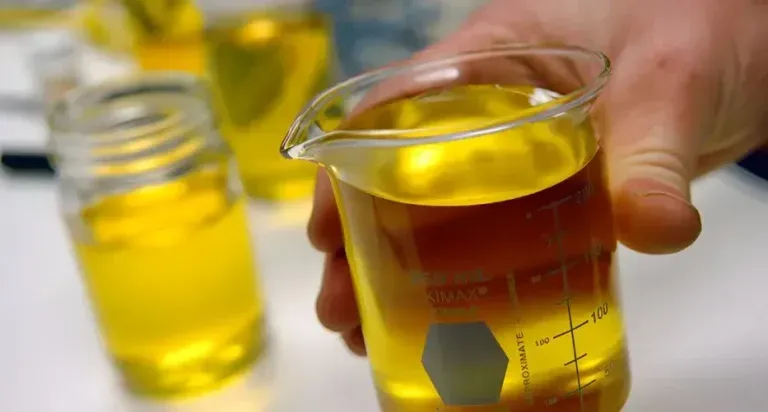
Plastic Pyrolysis Oil: Chemical Feedstock or Fuel?

Plastic pyrolysis oil is gaining attention as a valuable product from chemical recycling. However, its commercial positioning can follow two completely different routes: as an alternative fuel or as a petrochemical feedstock.
Although both pathways start from the same pyrolysis process, their economic logic, product requirements, and technology strategies are significantly different.
Route 1: Plastic Pyrolysis Oil as Fuel
The fuel-oriented route focuses on maximizing oil production volume and reducing waste disposal costs. The produced oil is mainly used as an industrial fuel for boilers, furnaces, or power generation.
Commercial Advantages:
- Lower requirements for oil purity
- Simpler upgrading process
- Faster market entry
- Suitable for regions with strong industrial fuel demand
For this route, the priority is usually high liquid yield and stable operation rather than precise molecular control.
However, challenges remain:
- Fluctuating fuel prices
- Higher sulfur and impurity concerns
- Limited added value compared with chemical applications
A well-designed plastic pyrolysis plant can improve profitability by reducing energy consumption and increasing oil recovery efficiency.
Route 2: Plastic Pyrolysis Oil as Chemical Feedstock
The chemical feedstock route aims to return waste plastics back into the petrochemical production chain. Pyrolysis oil can be upgraded and used as a replacement for fossil-based raw materials in steam crackers to produce new plastics.
Compared with fuel applications, this route requires:
- Lower chlorine content
- Reduced impurities
- Stable hydrocarbon composition
- Advanced purification technology
The economic value is generally higher because the product enters a higher-value market, supporting closed-loop plastic recycling.
However, achieving chemical-grade pyrolysis oil requires additional investment in:
- Feedstock sorting
- Advanced reactor control
- Oil purification and upgrading systems
Different Technology Strategies
The fuel route often favors:
- Simple thermal pyrolysis
- High throughput
- Lower operating costs
The chemical feedstock route places more emphasis on:
- Precise temperature control
- Vapor residence time management
- Catalytic upgrading
- Product consistency
Therefore, the same waste plastic can have very different economic outcomes depending on the final market target.
Conclusion
Plastic pyrolysis oil is not simply a waste-derived fuel; its highest potential may come from becoming a renewable petrochemical feedstock. The fuel pathway focuses on volume and cost efficiency, while the chemical route focuses on quality and long-term circular economy value.
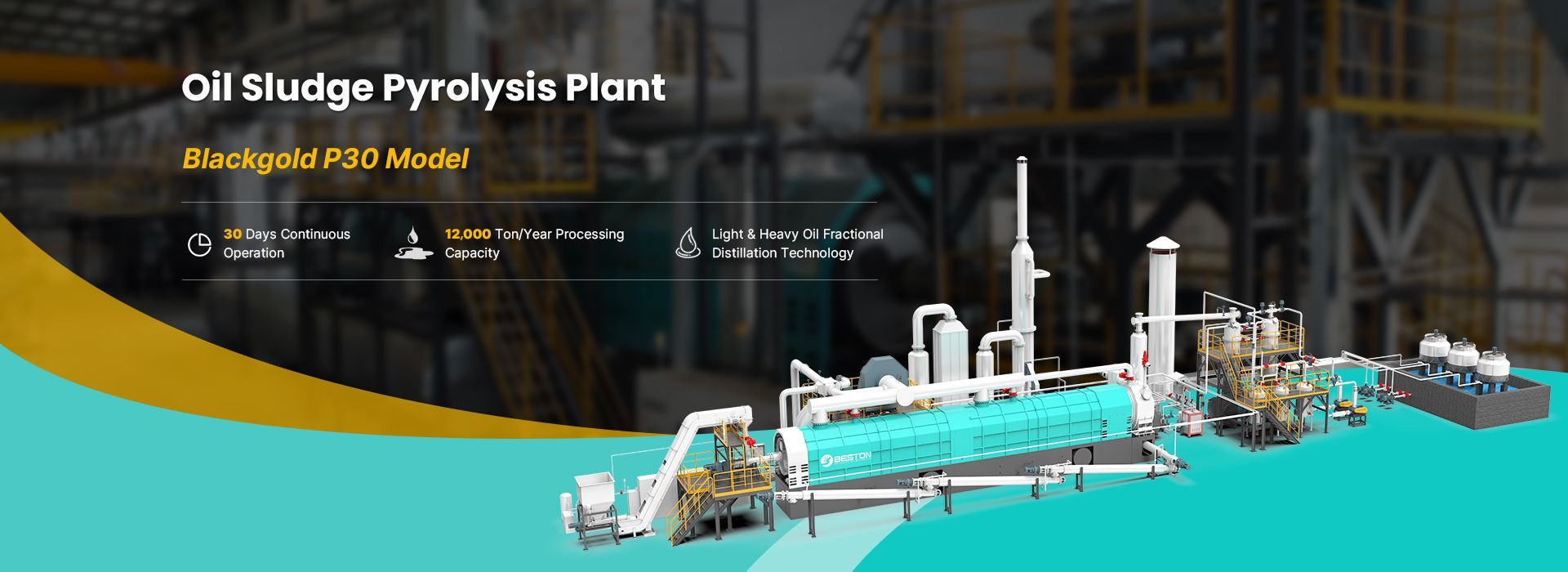
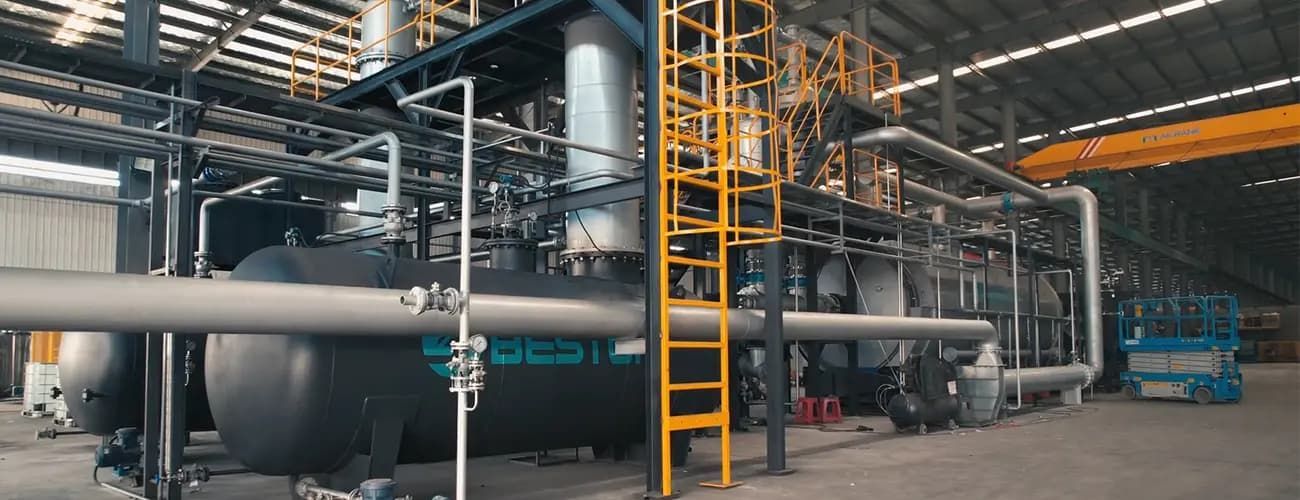
For investors and operators, choosing the right continuous plastic pyrolysis plant and defining the final product market at the beginning are critical factors for building a profitable recycling business.
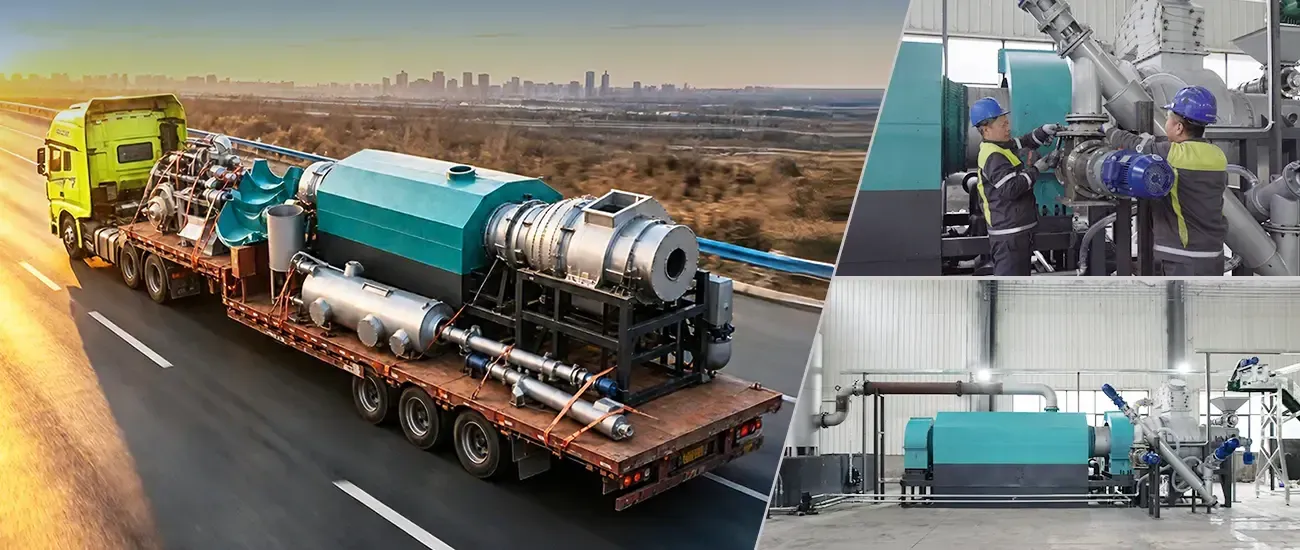
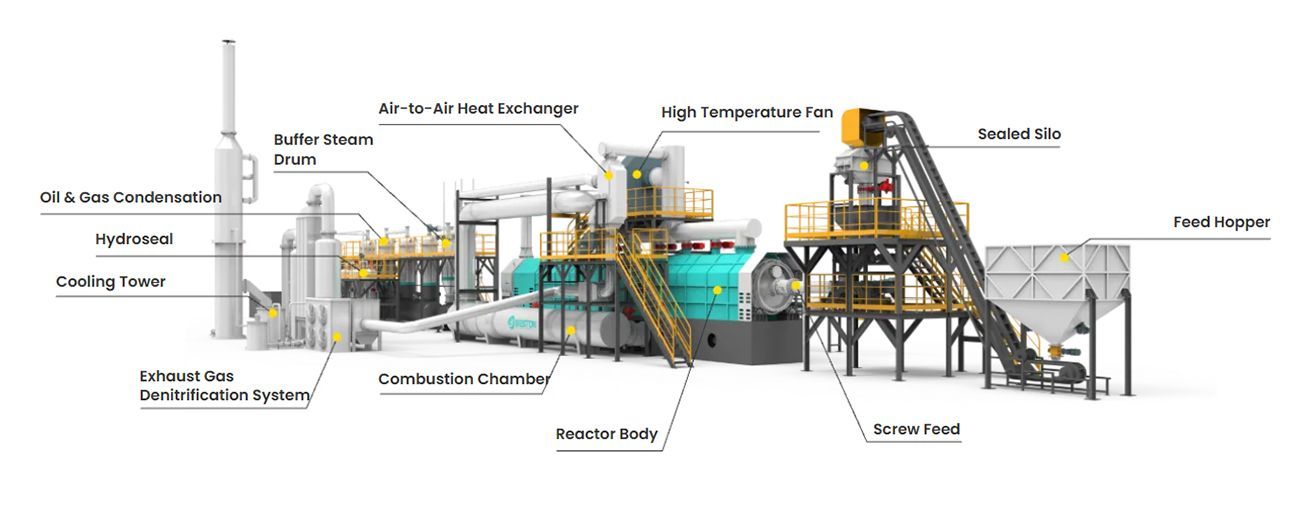
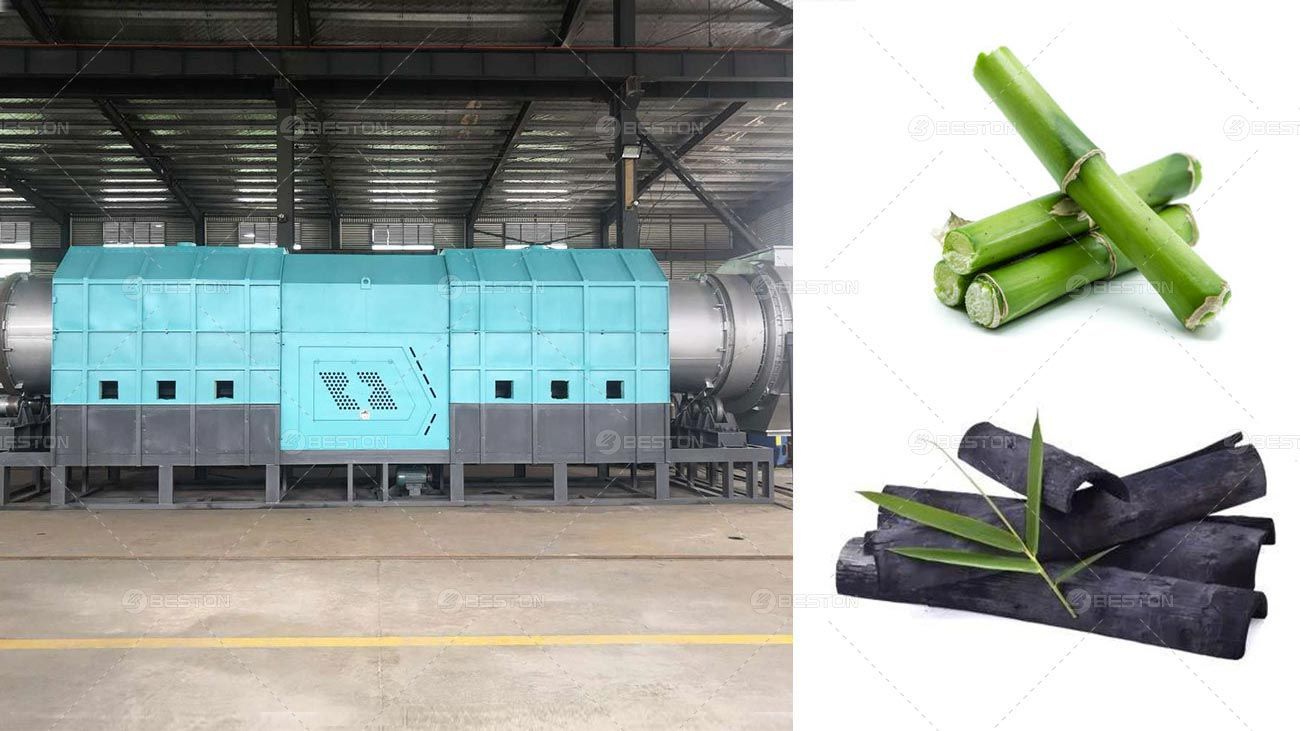
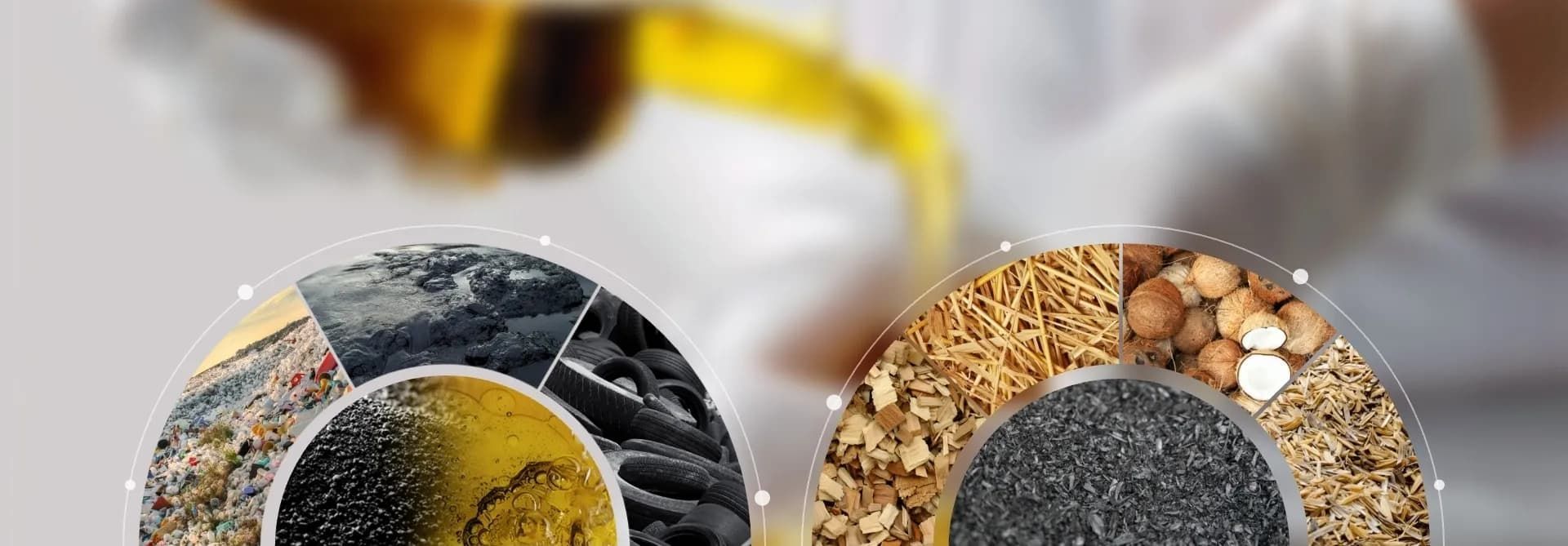
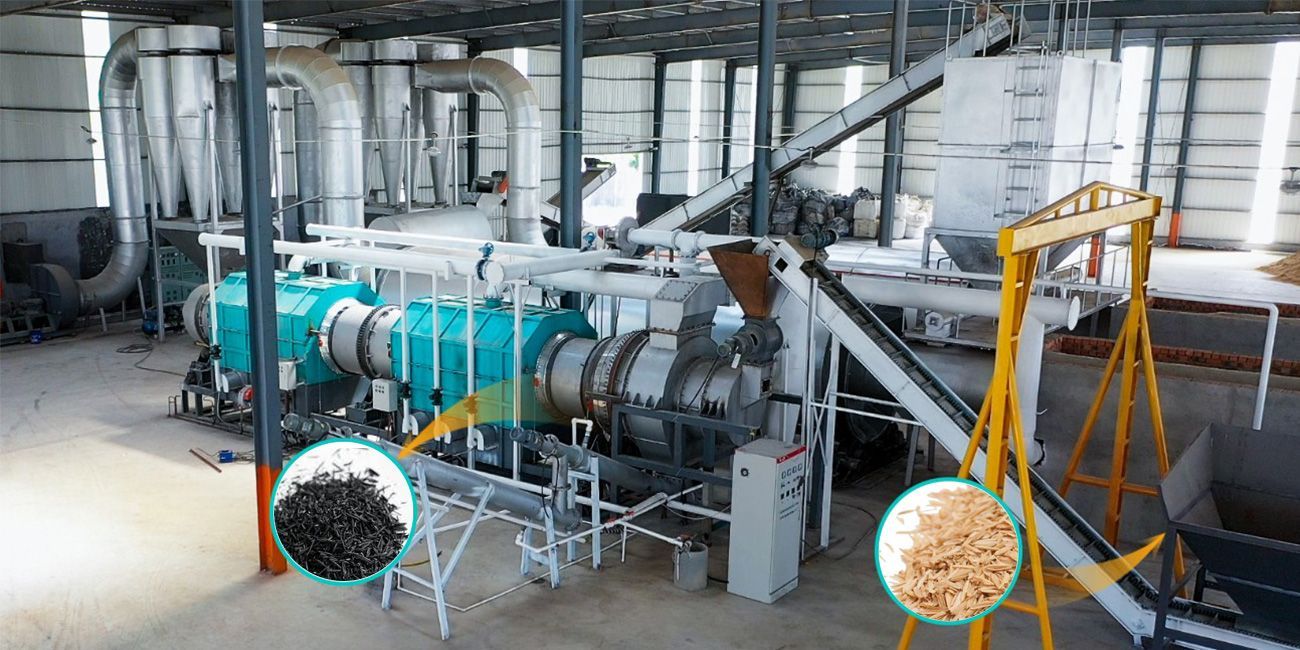
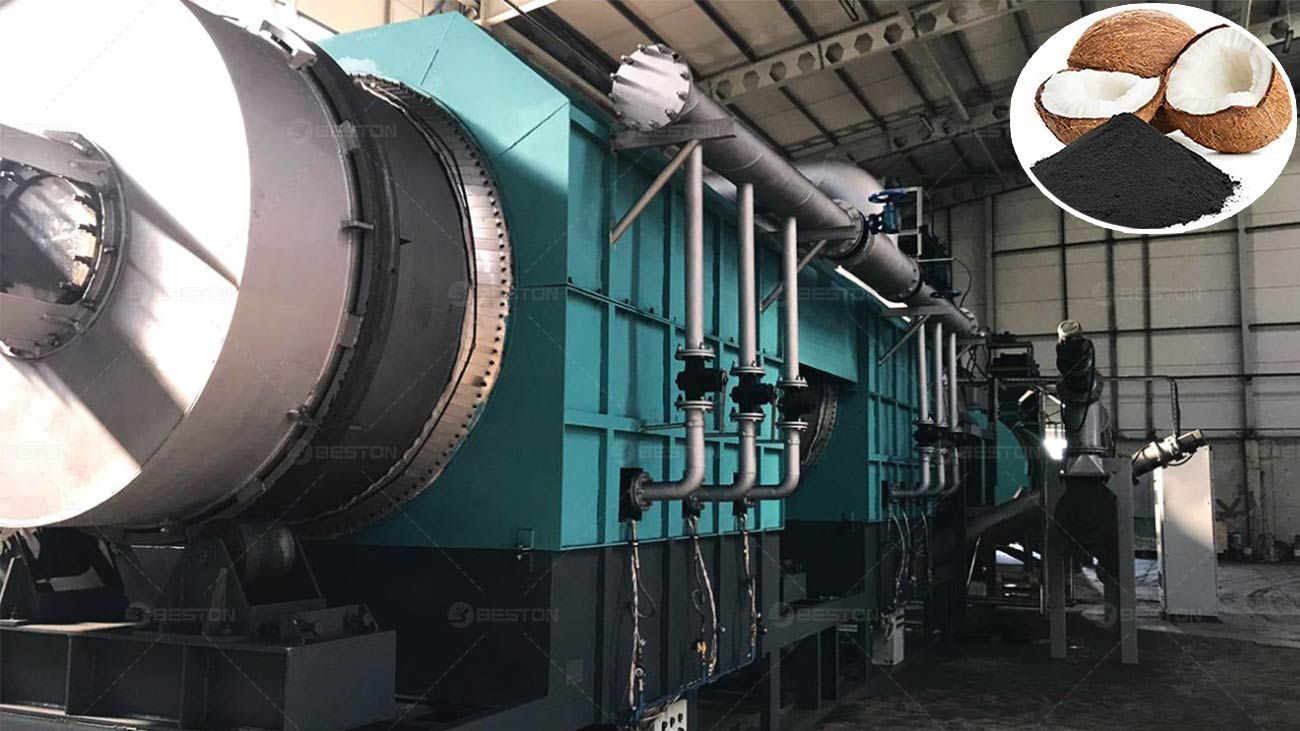
Why Continuous Charcoal Making Equipment Is Becoming the Preferred Choice for Large-Scale Production