Continuous Pyrolysis Technology: The Next Generation of Industrial Waste Recycling
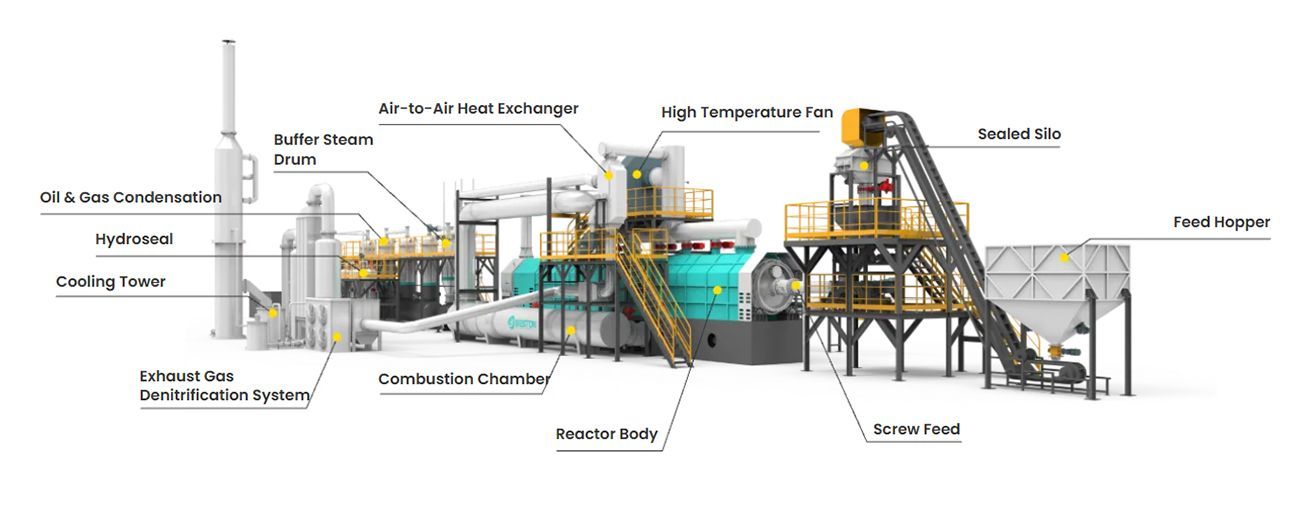
As global waste generation continues to rise, industries are searching for more efficient and sustainable recycling solutions. Traditional waste treatment methods often struggle with unstable operation, high labor requirements, and limited processing capacity. This has created growing demand for advanced technologies that can handle large-scale waste conversion while improving economic performance.
Among these solutions, continuous pyrolysis technology is emerging as a next-generation approach for industrial waste recycling. By integrating continuous feeding, continuous discharge, stable temperature control, and automated operation, modern pyrolysis systems are helping businesses transform waste materials into valuable resources with higher efficiency and reliability.
The Limitations of Traditional Batch Pyrolysis Systems
For many years, batch pyrolysis systems have been widely used in waste recycling projects. Although they are relatively simple in design, batch systems have several operational challenges when applied to large-scale industrial production.
One major limitation is the intermittent working process. Operators need to stop the system after each cycle for cooling, unloading, cleaning, and reloading. These repeated shutdown and startup procedures reduce overall productivity and increase energy consumption.
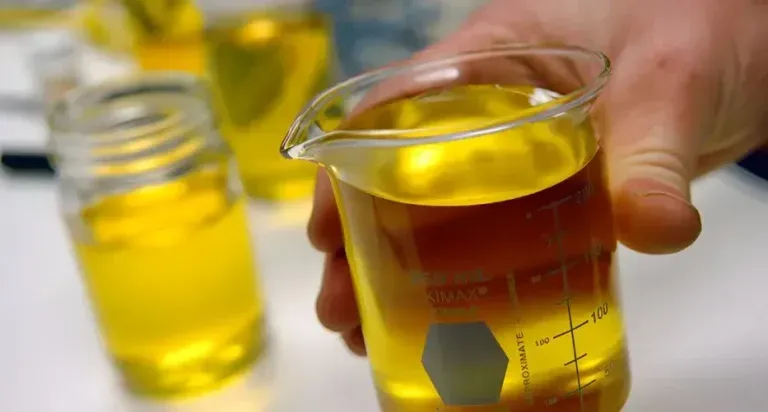
Temperature fluctuations are another challenge. During each batch cycle, heating, reaction, and cooling stages occur separately. Maintaining consistent pyrolysis conditions can be difficult, which may affect the quality and stability of final products such as pyrolysis oil, carbon materials, and combustible gas.
In addition, batch systems typically require more manual involvement. Workers are needed for feeding materials, monitoring operation, and handling discharged products, increasing labor costs and operational complexity.
As waste recycling projects become larger and more industrialized, these limitations highlight the need for a more advanced solution.
Continuous Feeding Improves Industrial Processing Efficiency
One of the most important advantages of continuous pyrolysis technology is continuous feeding.
Unlike batch systems that require repeated loading operations, continuous pyrolysis equipment allows waste materials to enter the reactor steadily during operation. This creates a smoother production process and eliminates frequent interruptions.
Continuous feeding brings several benefits:
- Higher processing capacity: The reactor can operate for extended periods without stopping for material loading.
- Reduced energy waste: The system avoids repeated heating and cooling cycles.
- Better production planning: Operators can maintain a predictable output based on stable feeding rates.
- For industries dealing with large volumes of waste plastics, waste tires, oil sludge, or biomass materials, continuous feeding provides a more practical solution for commercial-scale recycling.
Continuous Discharge Creates a More Stable Production Cycle
Another key feature of continuous pyrolysis technology is continuous discharge.
In traditional systems, operators must wait until the entire pyrolysis cycle finishes before removing solid residues. This creates downtime and limits production efficiency.
Continuous discharge technology allows processed materials to leave the reactor gradually while new waste enters simultaneously. The entire system can maintain a continuous material flow, significantly improving equipment utilization.
For example, in waste tire pyrolysis applications, continuous discharge allows recovered carbon black and steel wire to be removed efficiently without interrupting the main reaction process. This improves productivity and makes downstream handling easier.
Stable Temperature Control Improves Product Quality
Temperature control is one of the most critical factors in pyrolysis performance. Different waste materials require specific temperature ranges to achieve effective decomposition and maximize valuable product output.
Continuous pyrolysis systems are designed to maintain a more stable thermal environment inside the reactor. Advanced heating structures, automatic control systems, and optimized reactor designs help reduce temperature fluctuations during long-term operation.
Stable temperature control can improve:
- Pyrolysis oil quality and consistency
- Carbon material properties
- Gas recovery efficiency
- Overall energy utilization
For businesses selling recovered products, consistent quality is essential for building reliable markets and increasing profitability.
Reducing Labor Requirements Through Automation
Labor costs are becoming an important factor in industrial recycling projects. Modern continuous pyrolysis technology addresses this challenge through automation.
With automatic feeding systems, intelligent temperature monitoring, and centralized control systems, operators can manage production with fewer manual operations.
Automation helps reduce:
- Frequent material handling tasks
- Manual temperature adjustments
- Production interruptions caused by human factors
- Workplace risks in high-temperature environments
This allows companies to focus more on production management, quality control, and business expansion rather than daily equipment operation.
Continuous Pyrolysis and the Future of Circular Economy
The global shift toward a circular economy is accelerating demand for technologies that can recover value from waste. Continuous pyrolysis technology fits this trend by converting difficult waste streams into useful resources.
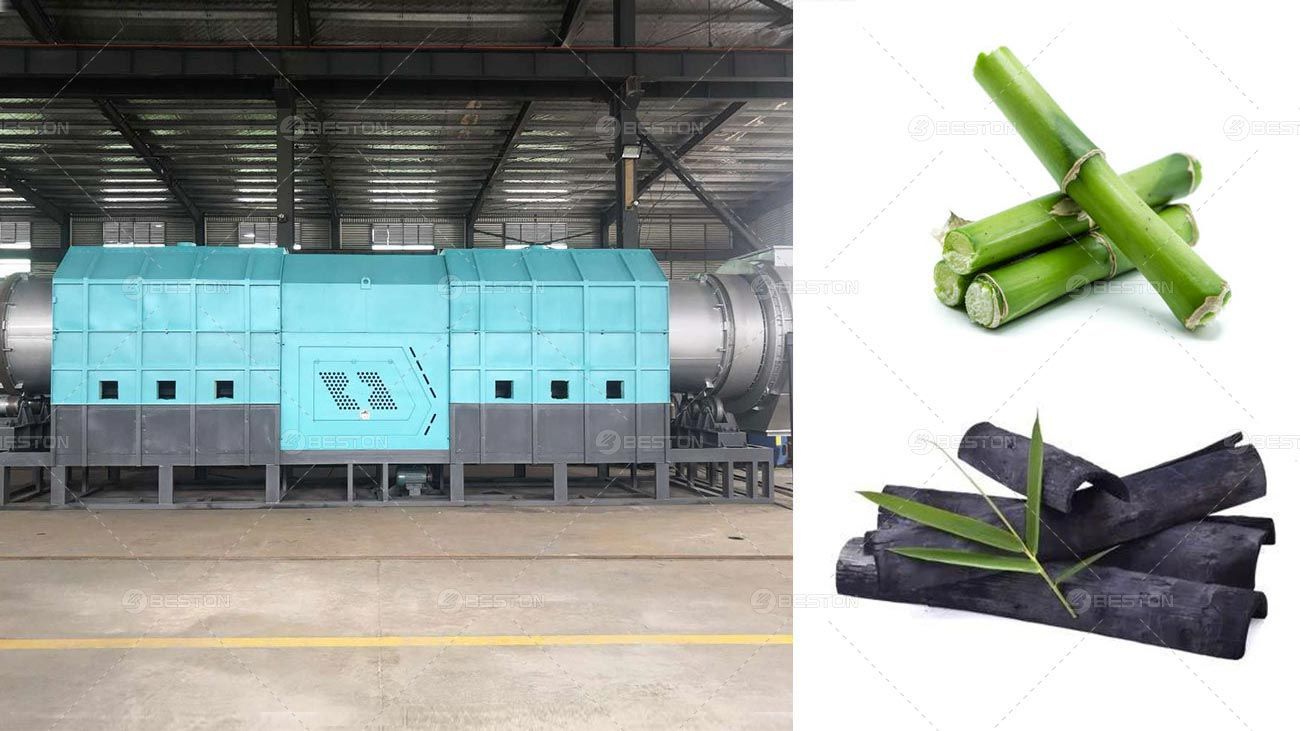
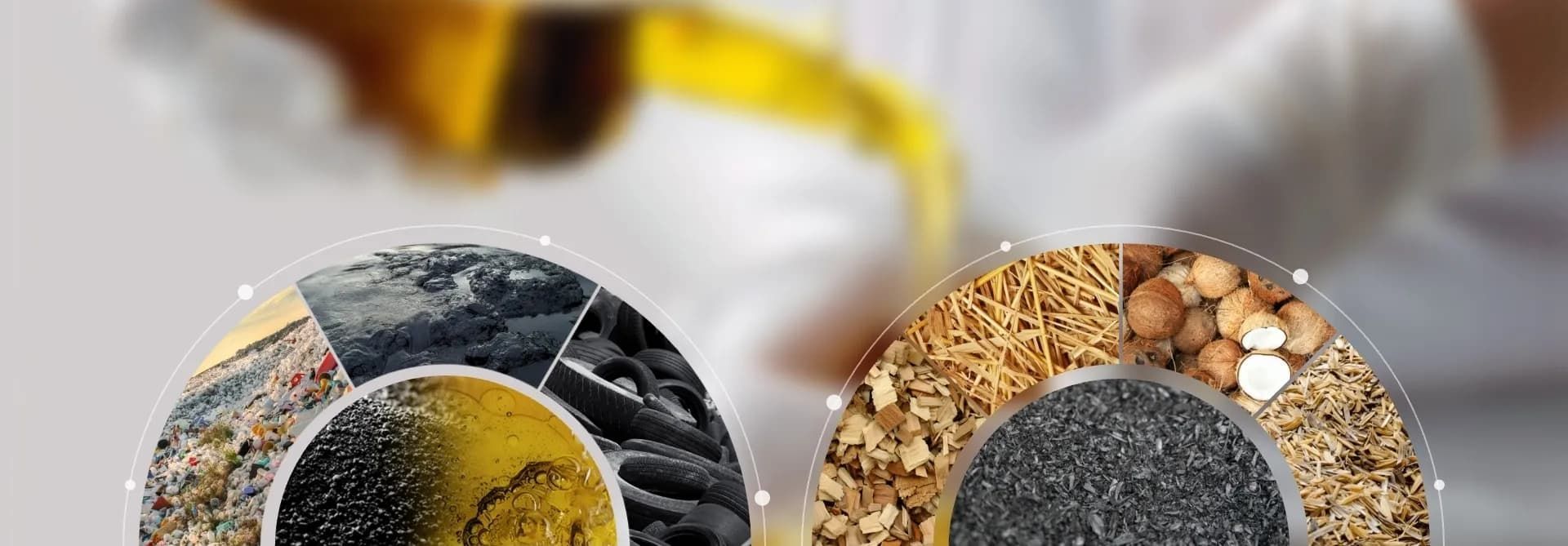
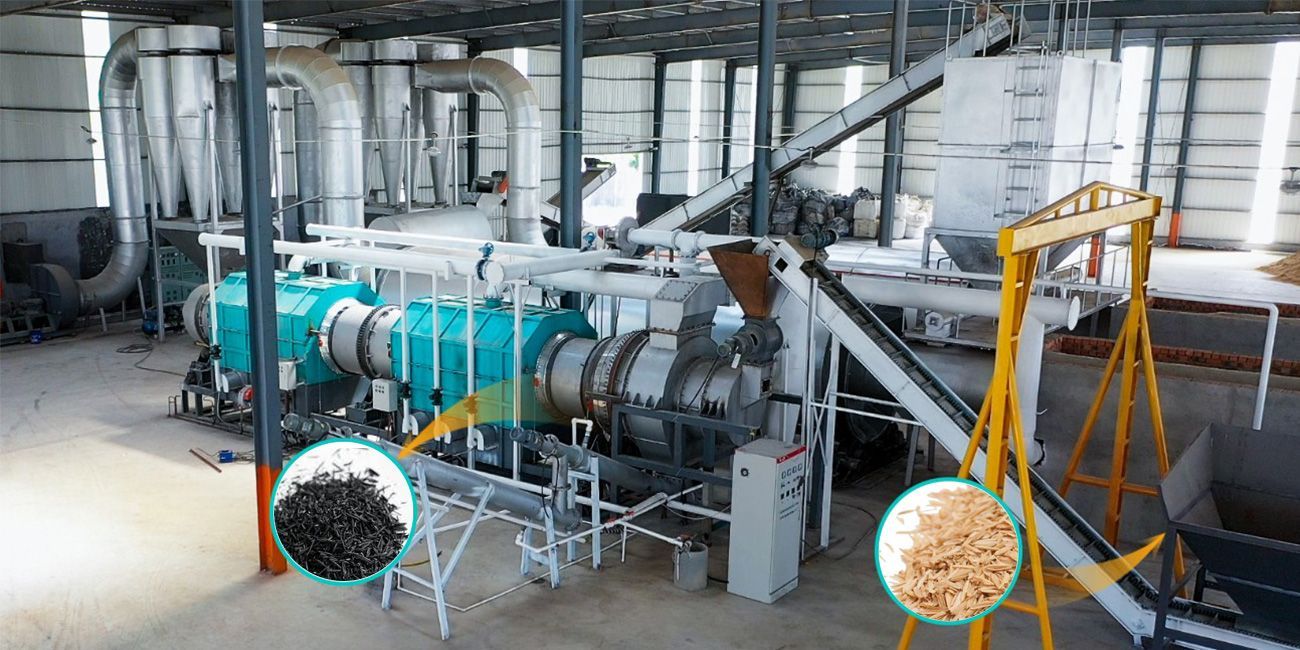
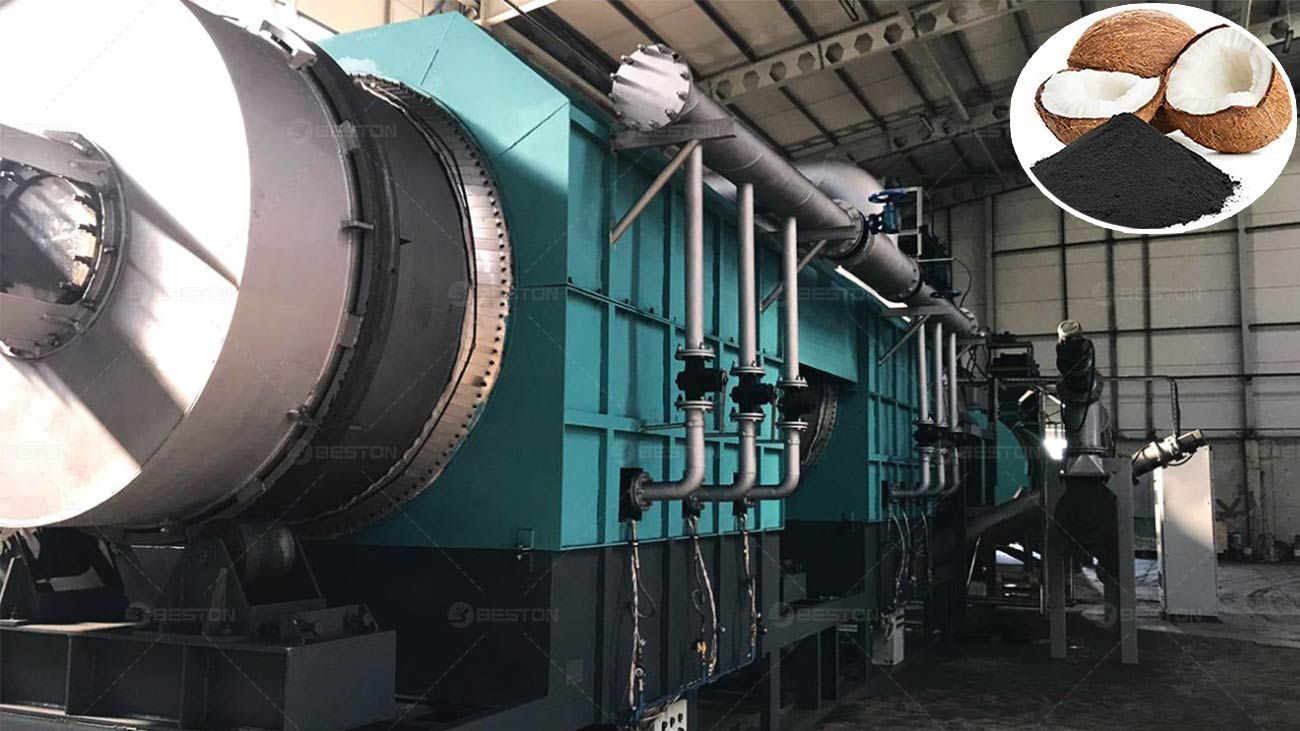
Waste plastics can be transformed into pyrolysis oil and chemical feedstocks. Waste tires can generate oil, recovered carbon black, and steel. Biomass waste can become renewable carbon materials such as biochar.
By improving efficiency, reducing operating costs, and supporting large-scale production, continuous pyrolysis plant provides a pathway for industries to move from waste disposal toward resource recovery.
Conclusion
Continuous pyrolysis technology represents a major advancement in industrial waste recycling. Through continuous feeding, continuous discharge, stable temperature control, and reduced labor requirements, it overcomes many limitations of traditional processing methods.
As global waste challenges increase and demand for sustainable resource recovery grows, continuous pyrolysis systems are expected to become an increasingly important technology for waste management companies, investors, and industries seeking profitable circular economy solutions. The future of recycling is not only about treating waste—it is about creating a continuous process that turns waste into valuable resources.

Why Continuous Charcoal Making Equipment Is Becoming the Preferred Choice for Large-Scale Production