How to Cut Operation Cost of Plastic Pyrolysis Machine
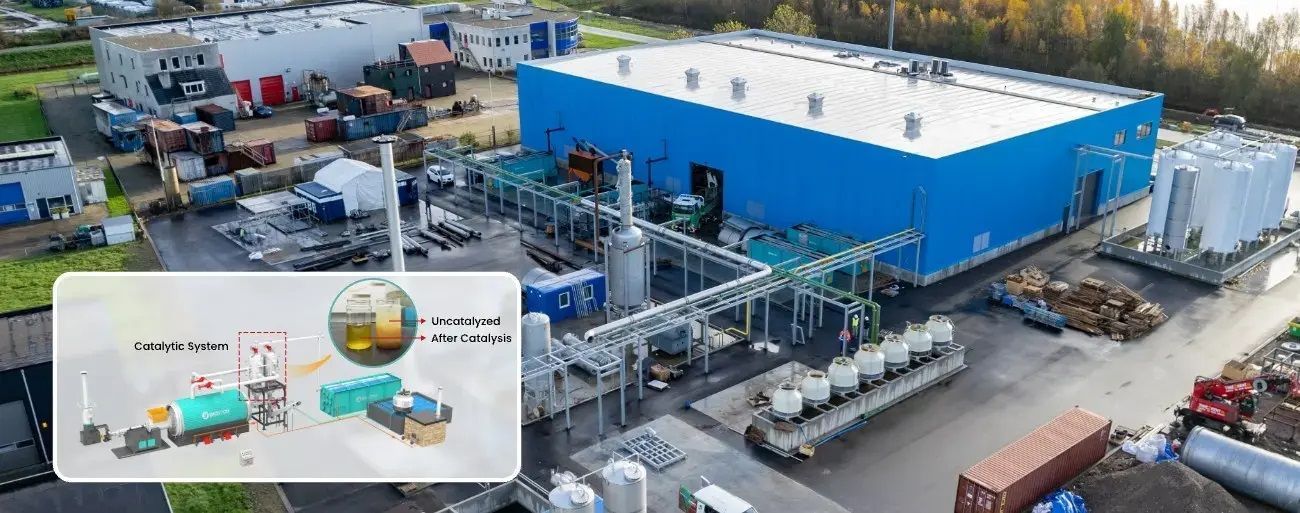
Operating a plastic pyrolysis plant can be highly profitable, but maximizing returns depends on controlling operating costs. From feedstock preparation to energy consumption and equipment maintenance, every stage of the production process affects the overall cost per ton of waste plastic processed. By adopting efficient operating strategies and investing in advanced technology, businesses can significantly improve profitability while maintaining stable production. Here are several practical ways to reduce the operating cost of a plastic pyrolysis machine.
Choose High-Quality Feedstock
The quality of waste plastic directly influences pyrolysis efficiency and production costs. Clean, dry, and well-sorted plastics require less pretreatment and produce higher oil yields than mixed or contaminated materials.
Whenever possible, separate recyclable materials such as metals, glass, and excessive organic waste before feeding plastics into the reactor. Removing contaminants reduces equipment wear, improves heat transfer, and minimizes downtime caused by blockages or maintenance.
Consistent feedstock quality also helps maintain stable reactor temperatures, resulting in better fuel efficiency and more predictable oil production.
Reduce Energy Consumption
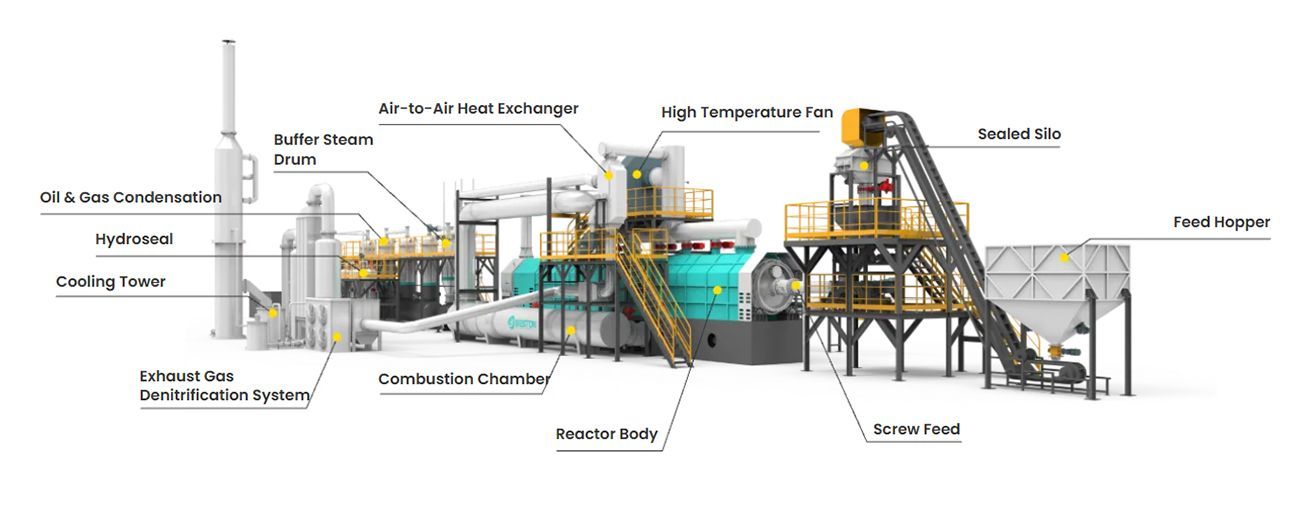
Energy is one of the largest operating expenses in a pyrolysis plant. Modern plastic pyrolysis machine designs reduce fuel consumption by recovering combustible syngas produced during the pyrolysis process.
Instead of releasing this gas, advanced systems redirect it back to the heating furnace after the startup phase. Once the reactor reaches operating temperature, the recycled syngas can provide much of the required heat, greatly reducing the need for external fuels such as diesel, natural gas, or coal.
Proper insulation of reactors, pipelines, and heating systems also minimizes heat loss and improves overall thermal efficiency.
Improve Feedstock Preparation
Proper preparation increases processing efficiency and reduces unnecessary energy consumption.
Shredding waste plastics into uniform sizes allows faster and more even heating inside the reactor. Drying wet materials before processing prevents energy from being wasted evaporating moisture.
Although preprocessing requires some investment, it often lowers total operating costs by improving oil yield, shortening processing time, and reducing equipment stress.
Perform Preventive Maintenance
Unexpected equipment failures can be far more expensive than routine maintenance. Establishing a preventive maintenance schedule helps identify potential problems before they lead to costly shutdowns.
Regular inspections should include:
- Checking seals and gaskets for leaks.
- Cleaning condensers and pipelines.
- Inspecting burners and heating systems.
- Lubricating moving components.
- Monitoring pressure and temperature sensors.
Replacing worn parts before they fail helps maintain production efficiency and extends the service life of the equipment.
Optimize Process Control
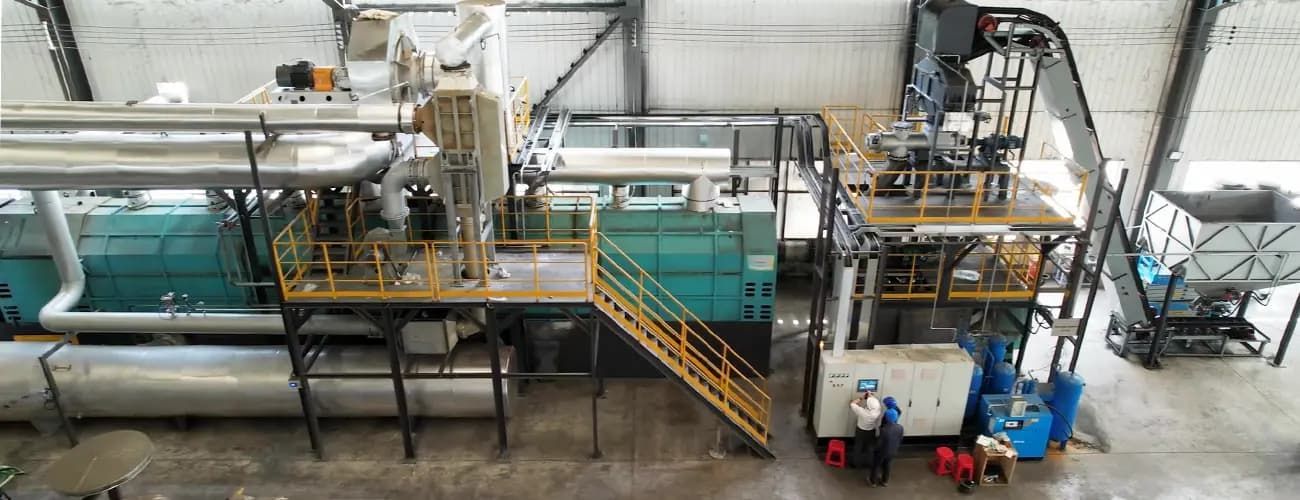
Modern automation systems enable operators to monitor critical operating parameters in real time. Accurate temperature, pressure, and feeding control improve pyrolysis efficiency while reducing unnecessary fuel consumption.
Automatic control systems also reduce human error and help maintain consistent product quality. Stable operating conditions generally produce higher oil yields and reduce the formation of unwanted residues.
Investing in intelligent control technology may require a higher initial investment, but the long-term savings in labor, fuel, and maintenance often justify the cost.
Increase Oil Recovery Efficiency
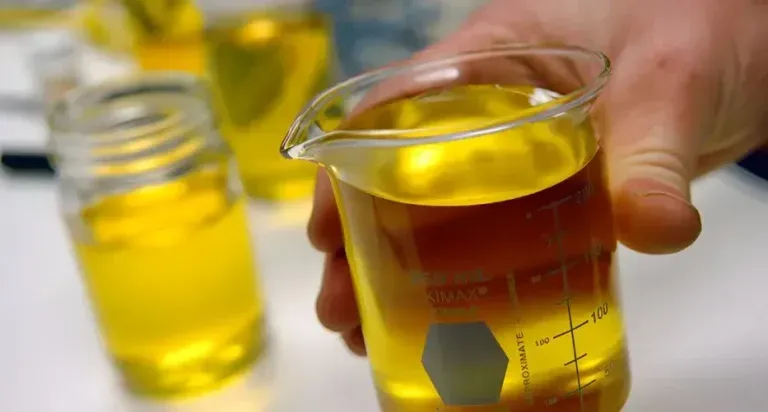
Every percentage increase in oil recovery improves plant profitability. Efficient condensation systems capture more pyrolysis oil by rapidly cooling the generated vapors.
High-performance condensers, properly designed cooling systems, and regular cleaning of heat exchangers help maximize liquid fuel recovery while minimizing vapor losses.
Maintaining optimal cooling water temperatures also contributes to better condensation efficiency throughout the production cycle.
Reduce Labor Costs Through Automation
Automation not only improves operational stability but also reduces labor requirements. Continuous feeding systems, automatic slag discharge, and intelligent monitoring allow fewer operators to manage larger production capacities.
This is particularly important as labor costs continue to rise in many countries. Automated equipment also enhances workplace safety by reducing direct operator exposure to high-temperature production environments.
Utilize By-Products Effectively
A profitable pyrolysis operation does not rely solely on fuel oil sales. Other products generated during the process can create additional income or reduce operating expenses.
For example:
- Non-condensable syngas can be reused as heating fuel.
- Carbon black can be further processed for industrial applications.
- Recovered steel wire from tire-containing waste streams can be sold for recycling.
Making full use of every output improves resource efficiency and lowers the overall production cost per ton.
Select Reliable Equipment
Although lower-priced equipment may appear attractive initially, poor-quality machines often result in higher maintenance expenses, lower oil yields, and increased downtime.
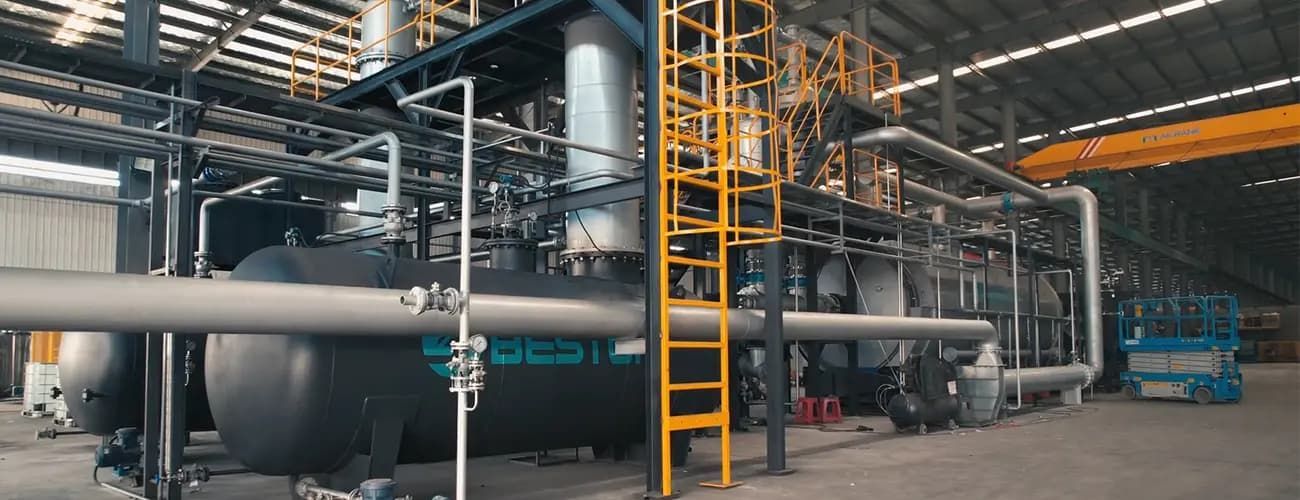
A reliable plastic pyrolysis machine with advanced reactor design, efficient heat recovery, and durable components typically offers lower lifetime operating costs. When evaluating equipment, businesses should consider not only the purchase price but also energy efficiency, maintenance requirements, automation features, and after-sales technical support.
Conclusion
Reducing the operating cost of a plastic pyrolysis plant requires a combination of efficient equipment, proper feedstock management, preventive maintenance, and optimized process control. By improving energy efficiency, maximizing oil recovery, utilizing valuable by-products, and investing in a high-quality plastic pyrolysis machine, businesses can significantly increase profitability while supporting sustainable waste management.
As the global demand for recycled resources and alternative fuels continues to grow, companies that focus on operational efficiency will be better positioned to achieve long-term success in the plastic recycling industry.
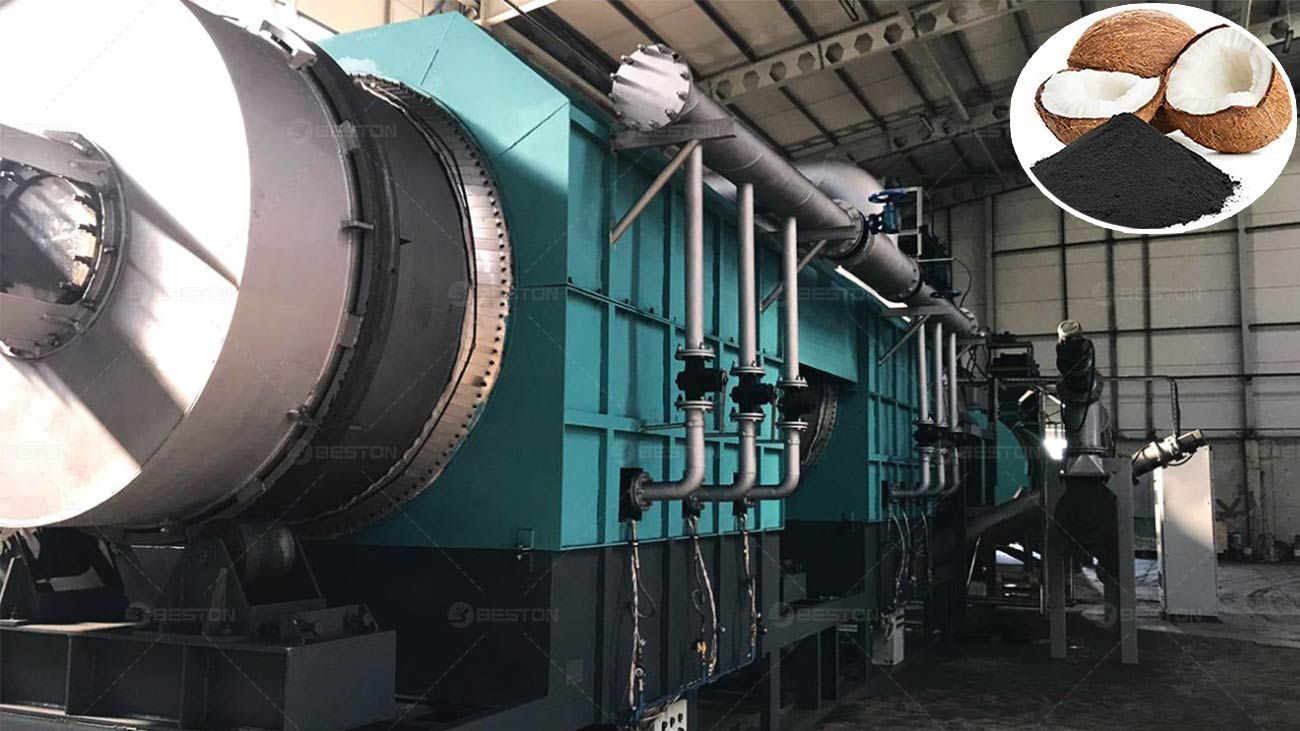
Why Continuous Charcoal Making Equipment Is Becoming the Preferred Choice for Large-Scale Production