Biochar and Carbon Sinks: Can Pyrolysis Really Lock Away Carbon Forever?
As the world scrambles for technologies that can actively remove carbon dioxide from the atmosphere, one solution is literally hiding in the soil beneath our feet. It is called biochar, and its advocates believe it could be one of the most scalable, accessible forms of carbon sequestration available today.
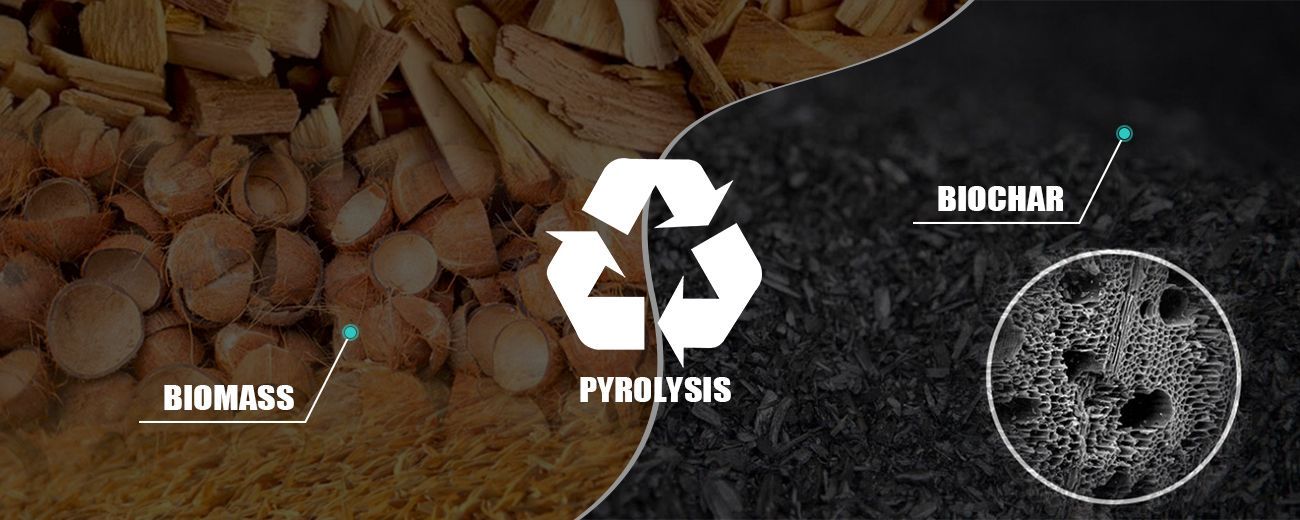
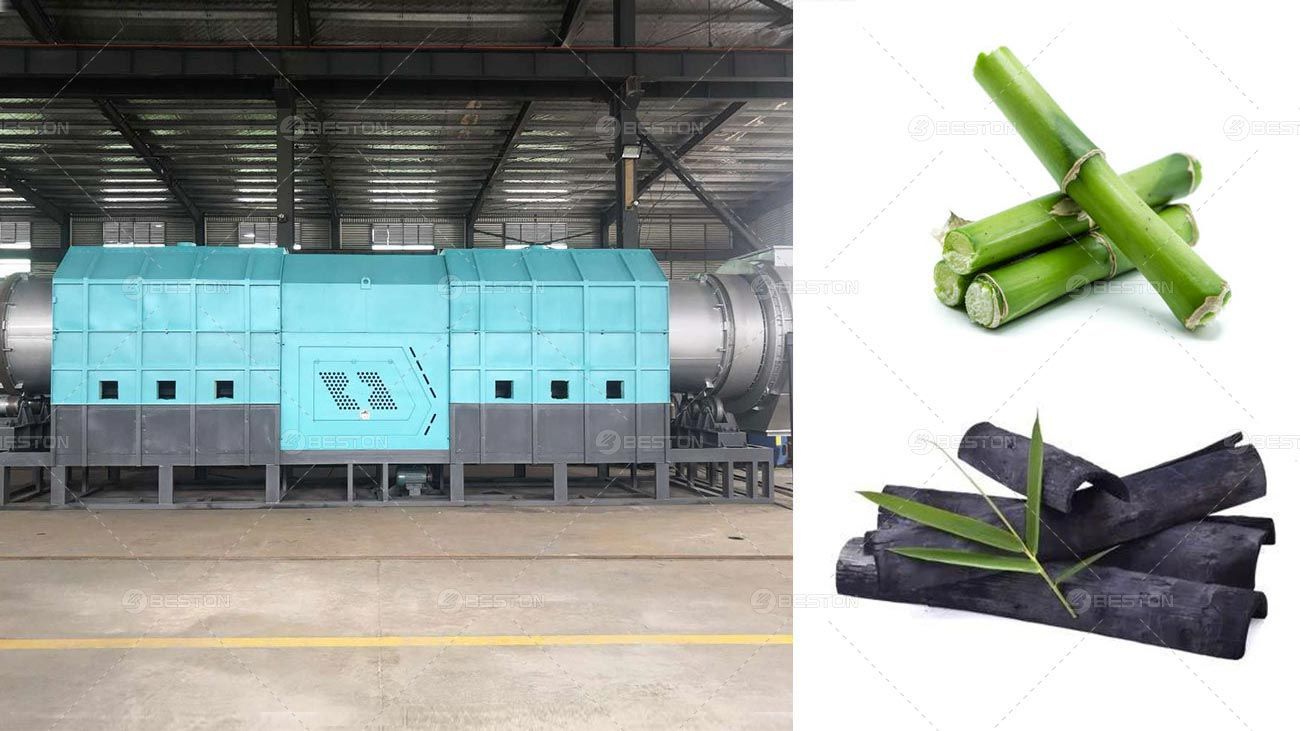
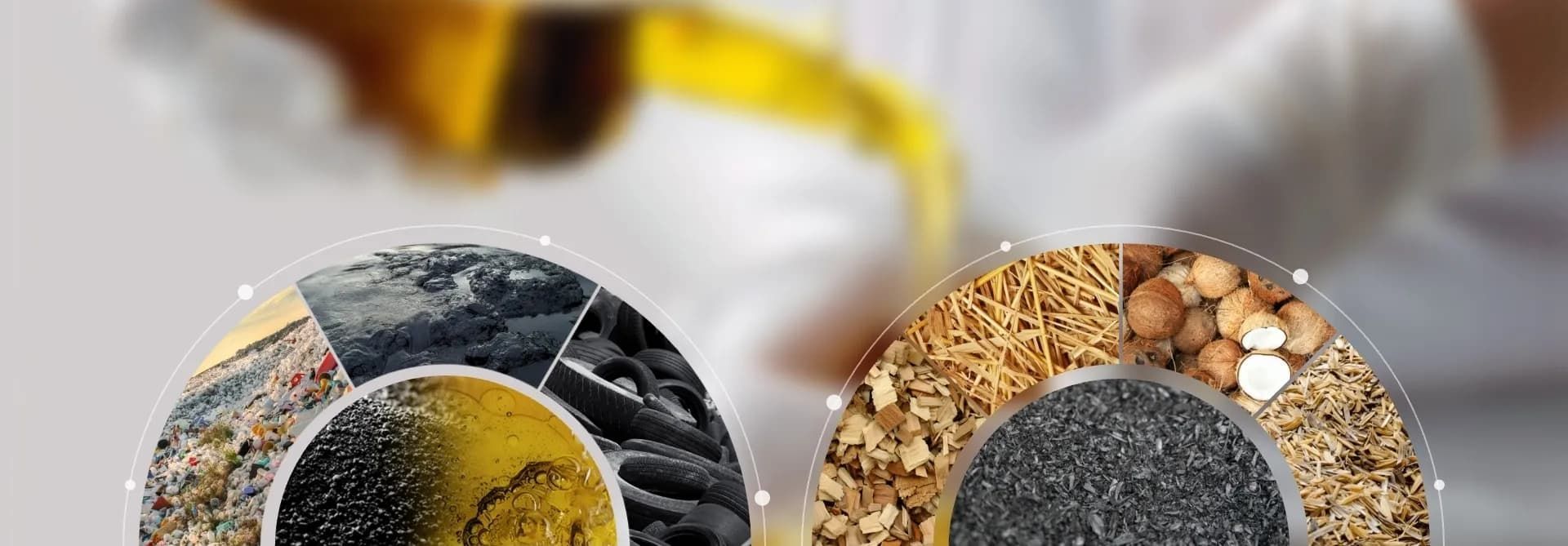
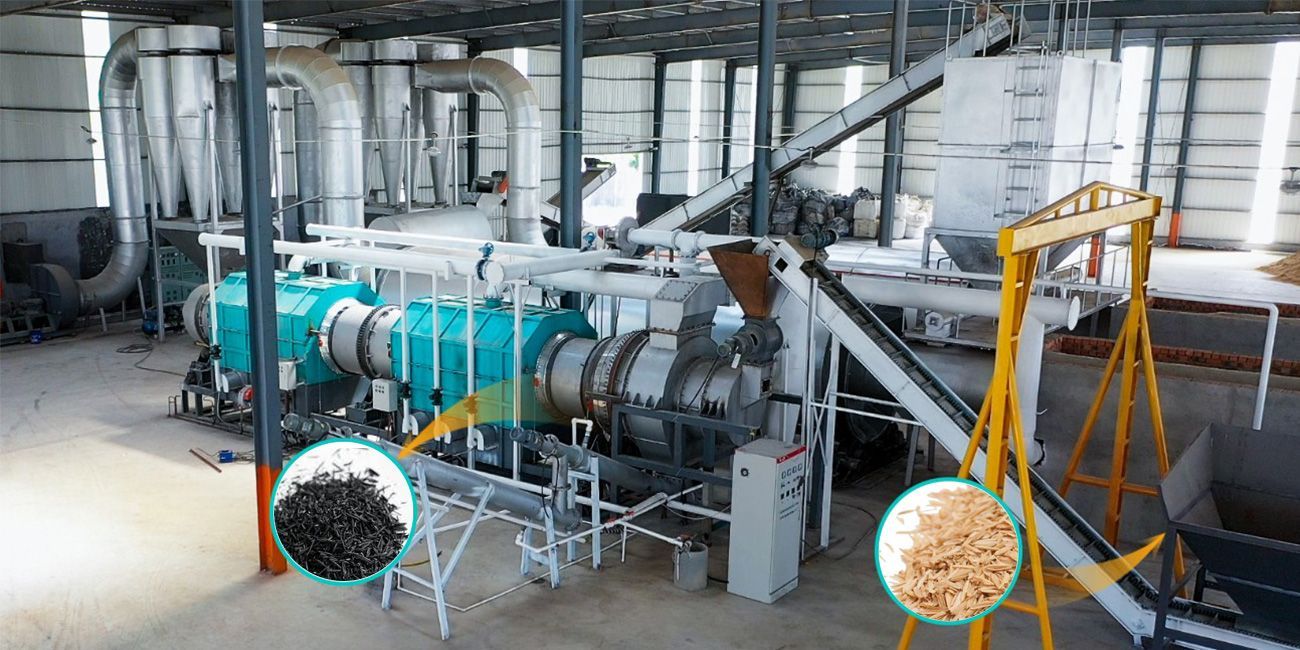
The process reads like something from an ancient text repurposed for the modern climate crisis. Take agricultural waste—corn stalks, rice husks, forestry slash, or manure. Instead of letting it rot on the ground (releasing methane and CO2) or burning it in open fields (creating air pollution), you feed it into a biomass pyrolysis plant. Inside an oxygen-deprived reactor, the biomass heats up but does not combust. It transforms into a stable, charcoal-like substance: biochar.
The result is not just a soil amendment; it is a carbon trap.
The Science of Stability
What makes biochar a climate superstar is its molecular structure. When biomass decomposes naturally, the carbon it has captured from the atmosphere over years of growth is released back into the air quickly—usually within a decade. But the pyrolysis process reorganizes that carbon into highly stable aromatic structures. This "recalcitrant" carbon resists microbial decay.
Scientists estimate that biochar can persist in soil for hundreds to thousands of years. By taking agricultural residues—which would otherwise be a short-term carbon cycle—and converting them via a biomass pyrolysis plant, we effectively "short-circuit" the natural decay process and park that carbon in a geological timescale reservoir.
If the global community is serious about keeping global warming below 1.5 degrees Celsius, the IPCC has made it clear: we need both emissions reductions and carbon dioxide removal. Biochar delivers both. It sequesters carbon, and when mixed with soil, it often improves water retention, reduces fertilizer needs, and increases crop yields.
The Carbon Credit Conundrum
However, as biochar moves from university labs to global carbon markets, a heated debate is emerging: How do we accurately measure and verify its climate benefit?
Carbon credits are supposed to represent one ton of CO2 either avoided or removed. For a biomass pyrolysis plant producing biochar, calculating this is far from simple.
- The Feedstock Question: Is the biomass genuinely waste? If a project clears forestland specifically to grow crops for biochar, the carbon math collapses. The gold standard for biochar is "additionally"—using material that would have decomposed or been burned anyway. But tracking and proving this across global supply chains is notoriously difficult.
- Permanence vs. Measurement: While we know biochar is stable, proving that a specific batch of char from a specific biomass pyrolysis plant will stay in the ground for 500 years requires modeling, not monitoring. Different feedstocks and different pyrolysis temperatures create different chars with varying stability levels.
- Leakage and Emissions: The pyrolysis process itself requires energy. If that energy comes from fossil fuels, some of the carbon benefit is eroded. Furthermore, if applying biochar to soil stimulates microbial activity that releases existing soil carbon, the net benefit could be lower than expected.
There are already dozens of methodologies vying to become the industry standard—from the European Biochar Certificate (EBC) to the Carbon Future initiative. Without robust, transparent verification, there is a real risk that biochar carbon credits could suffer the same credibility issues that have plagued forestry offset projects.
The Biodiversity Land Grab
Beyond the carbon accounting lies a deeper, more ecological concern. As biochar gains traction, the demand for feedstock will skyrocket. If a biomass pyrolysis plant needs a constant supply of biomass to remain profitable, where will that material come from?
Environmentalists warn of a potential "feedstock trap." If waste supplies are insufficient, operators may turn to purpose-grown biomass—monoculture plantations of fast-growing trees or grasses. This could trigger a wave of land-use change that competes with food production and destroys natural ecosystems.
The irony would be bitter: a technology designed to save the climate could end up destroying biodiversity in the process. A plantation of non-native eucalyptus grown to feed a pyrolysis unit is not a carbon solution; it is an ecological desert. The soil under such plantations often degrades, water tables drop, and wildlife disappears.
A Nuanced Path Forward
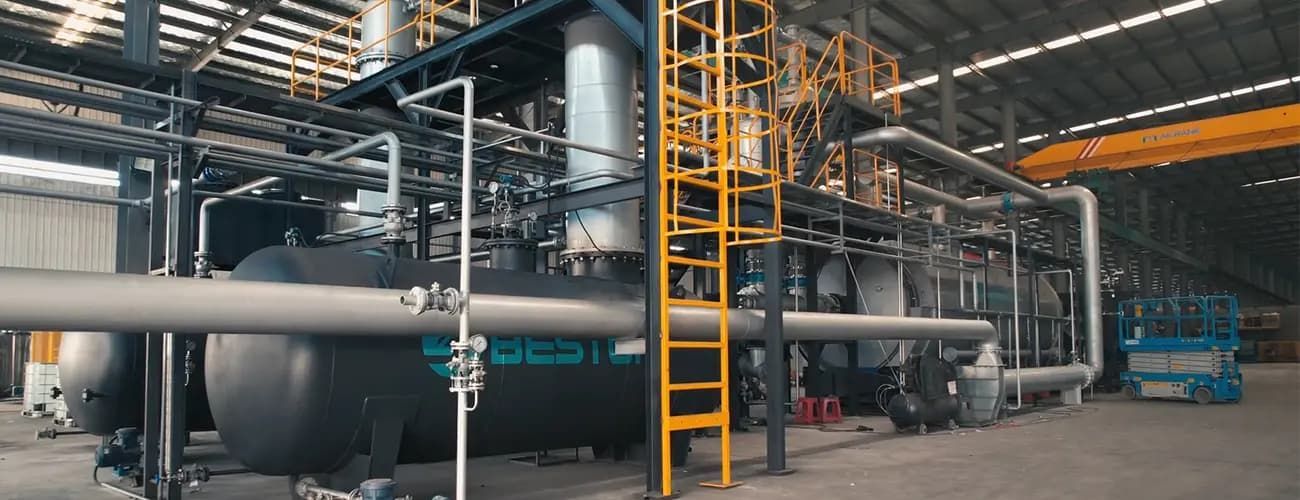
Biochar is too promising to dismiss, but too complex to rush. The technology itself is proven. Biomass pyrolysis plants are operating commercially in North America, Europe, and Asia. They are turning waste into renewable energy (syngas) and a valuable carbon product. The question is not whether biochar works—it does—but whether we can deploy it responsibly.
To avoid the pitfalls of greenwashing, the industry must commit to:
- Waste-first policies: Prioritize genuine agricultural and forestry residues over energy crops.
- Third-party certification: Ensure carbon credits represent real, durable sequestration.
- Holistic impact assessments: Look beyond carbon to the effects on soil health, water, and local communities.
Biochar offers us a rare chance to turn trash into treasure and carbon into fertility. But like any powerful tool, its impact depends entirely on how—and why—we use it.

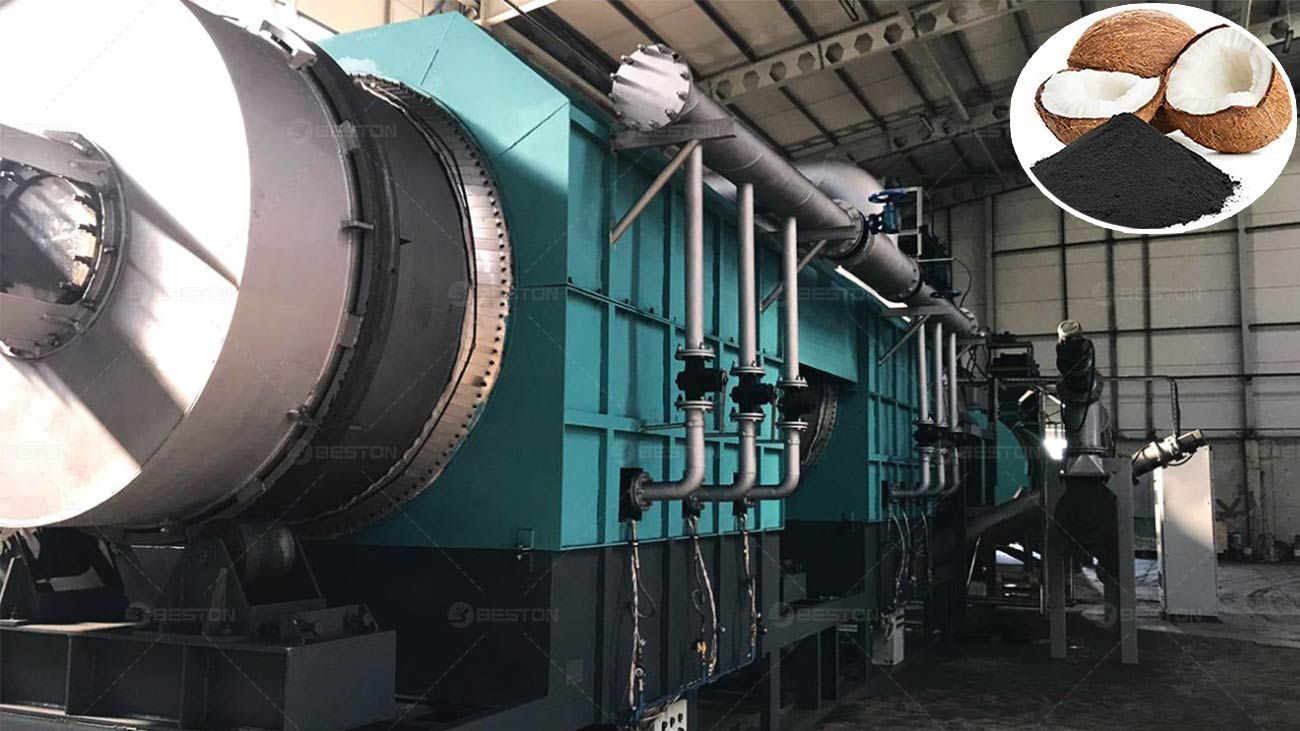
Why Continuous Charcoal Making Equipment Is Becoming the Preferred Choice for Large-Scale Production