Biomass Pyrolysis and the Carbon Cycle: Why Biochar Can Sequester Carbon
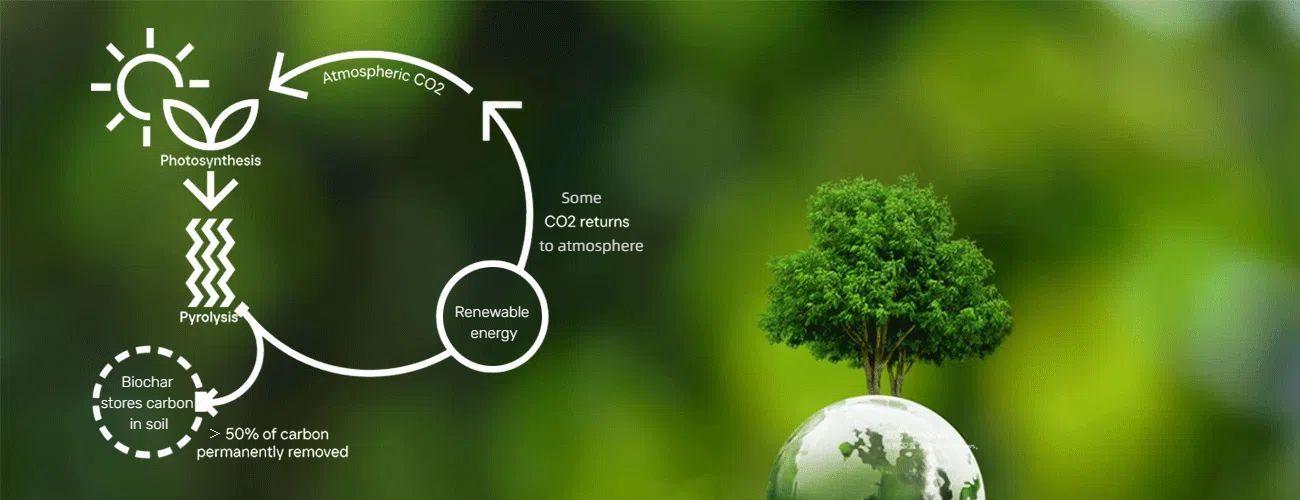
As the world increasingly focuses on tackling climate change, one of the most promising solutions is bioenergy production and carbon sequestration. Among the various techniques, biomass pyrolysis has emerged as a key player in reducing atmospheric carbon dioxide (CO₂) and mitigating the impacts of global warming. At the heart of this process lies biochar, a solid byproduct produced during biomass pyrolysis, which is gaining attention for its ability to lock away carbon for long periods. But how exactly does this process fit into the carbon cycle, and why is biochar considered a tool for carbon sequestration?
Understanding Biomass Pyrolysis
Biomass pyrolysis is a thermochemical process that involves heating organic material (such as wood, agricultural residues, or plant matter) in the absence of oxygen. This process breaks down complex organic molecules into three main products:
- Biochar – a stable, carbon-rich solid
- Bio-oil – a liquid fuel that can be used for energy
- Syngas – a mixture of gases like hydrogen and carbon monoxide, which can also be used for energy generation
The carbon content in the original biomass material undergoes transformation during pyrolysis, with a significant portion of it being retained in the biochar. This biochar can then be used in various applications, including as a soil amendment, in construction, or for water filtration. However, its most crucial role may be as a tool for carbon sequestration.
The Carbon Cycle and Carbon Sequestration
The carbon cycle is the natural process by which carbon moves through the atmosphere, oceans, soil, and living organisms. Carbon exists in several forms, including CO₂ in the air, carbon in plants and animals, and carbon stored in soils and sediments. Human activities, particularly fossil fuel combustion, have disrupted this cycle, leading to an excess of CO₂ in the atmosphere and contributing to global warming.
Carbon sequestration is the process of capturing and storing atmospheric CO₂ to prevent it from contributing to climate change. Natural carbon sinks like forests, oceans, and soils have traditionally played this role. However, with the increasing levels of carbon in the atmosphere, scientists are looking for innovative ways to enhance or create new carbon sinks.
Biochar provides a unique mechanism for sequestering carbon by mimicking a natural carbon sink but on a larger and more controlled scale.
Why Biochar Can Sequester Carbon
The carbon sequestration potential of biochar stems from its ability to retain carbon in a stable form for centuries or even millennia. Here’s why:
- Stable Carbon Structure
The high temperatures used during biomass pyrolysis drive off volatile compounds, leaving behind a carbon structure that is more stable and resistant to decomposition. In this form, carbon is much less likely to be re-released into the atmosphere as CO₂. - Slow Decomposition
Biochar has a highly porous structure, which means that microbes have a harder time breaking it down. The stable carbon in biochar is locked away, preventing it from being released back into the atmosphere as CO₂ through processes like microbial decomposition or oxidation. - Enhanced Soil Carbon Storage
When biochar is applied to soil, it acts as a reservoir for carbon, improving the soil's organic matter content. Biochar can help enhance soil fertility, increase water retention, and reduce nutrient leaching, all while contributing to long-term carbon storage in the soil. This makes biochar a beneficial tool in agriculture, both for increasing crop yields and for promoting carbon sequestration. - Mitigation of Soil Emissions
Biochar can also help reduce greenhouse gas emissions from soils, particularly the release of methane (CH₄) and nitrous oxide (N₂O), two potent greenhouse gases. By improving soil aeration and altering microbial activity, biochar reduces the conditions that foster the production of these gases, thereby helping mitigate overall emissions.
The Carbon Cycle in Context: Biochar's Role in Climate Change Mitigation
Biomass pyrolysis and the use of biochar as a carbon sink fit into the broader carbon cycle in several ways:
- Short-Term Impact: During biomass pyrolysis, CO₂ is emitted as part of the energy production process, but the carbon in the biochar remains sequestered. When biochar is applied to soils or other storage systems, the carbon it contains stays trapped for long periods, helping to reduce the overall CO₂ concentrations in the atmosphere.
- Long-Term Impact: By stabilizing the carbon in biochar, the biomass pyrolysis plant prevents it from being returned to the atmosphere as CO₂ in a short-term cycle. Over time, biochar can help reverse the imbalance caused by human activities, making it an essential tool in long-term climate change mitigation strategies.
- Cumulative Effect: The more biochar we produce and incorporate into the soil, the more carbon we can sequester. Since biochar is stable over hundreds or even thousands of years, it can contribute to the gradual restoration of natural carbon sinks that have been depleted by deforestation, land-use changes, and other human interventions.
Conclusion
Biochar offers an exciting opportunity to not only manage biomass waste but also mitigate climate change by sequestering carbon in a stable, long-term form. As part of the broader carbon cycle, biochar acts as a carbon sink that helps to remove CO₂ from the atmosphere and store it in soils, where it can remain for centuries. While there are challenges to its large-scale implementation, the potential benefits make biochar an essential tool in the fight against climate change.
By integrating biochar production into sustainable land and waste management practices, we can harness its ability to lock away carbon and play an active role in restoring the balance of the carbon cycle, moving toward a more sustainable and resilient planet.

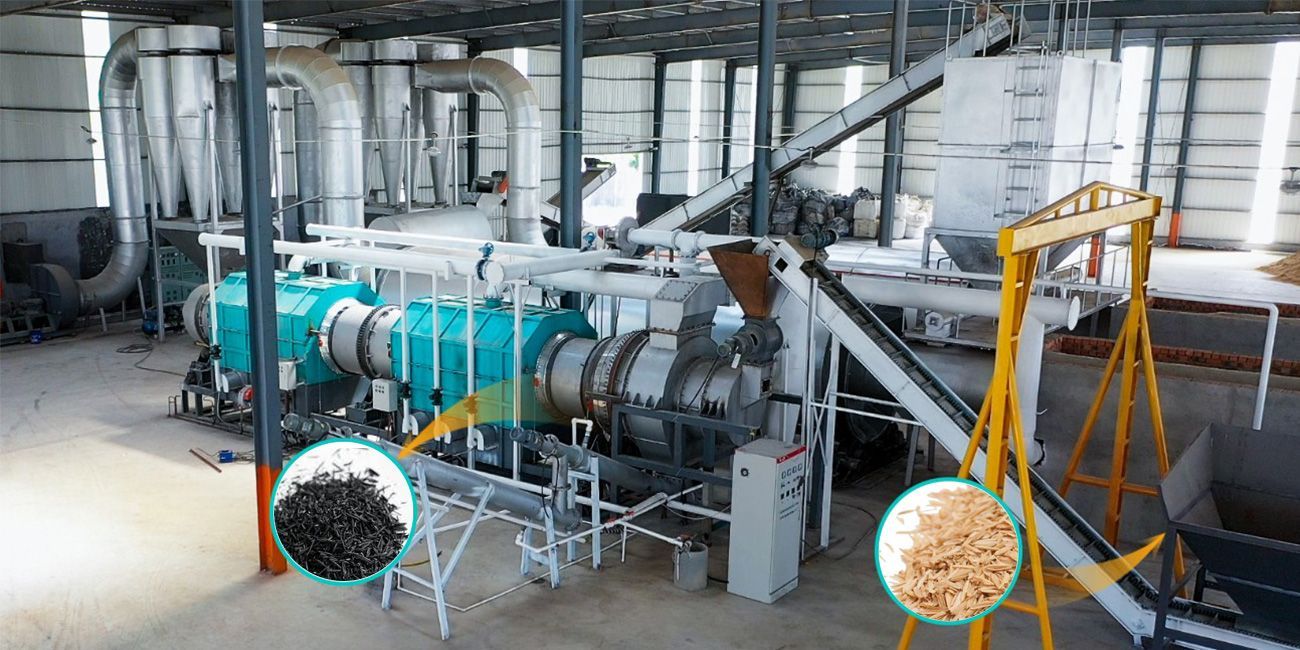
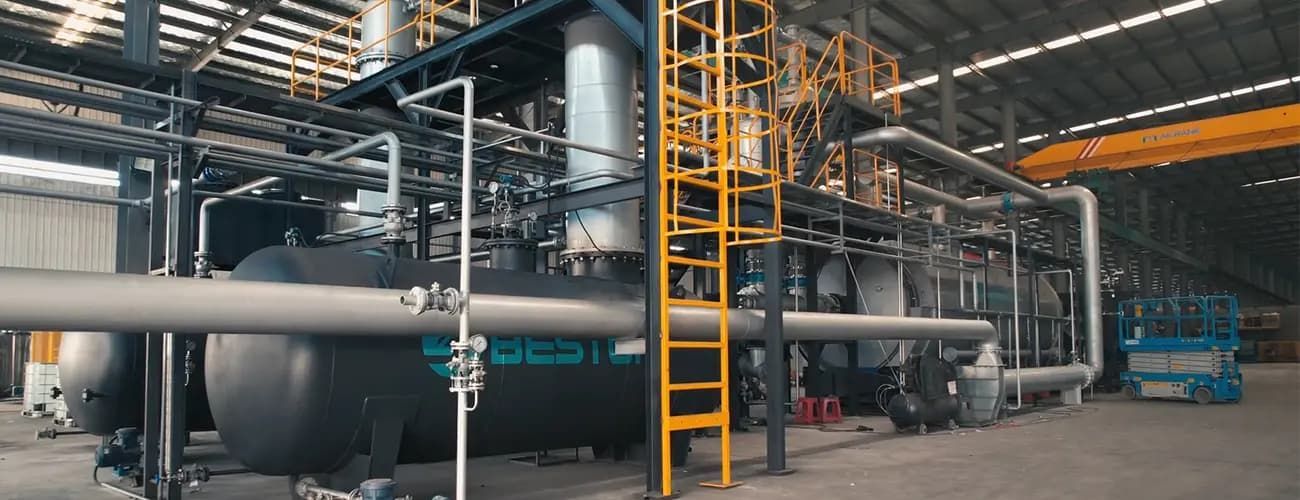
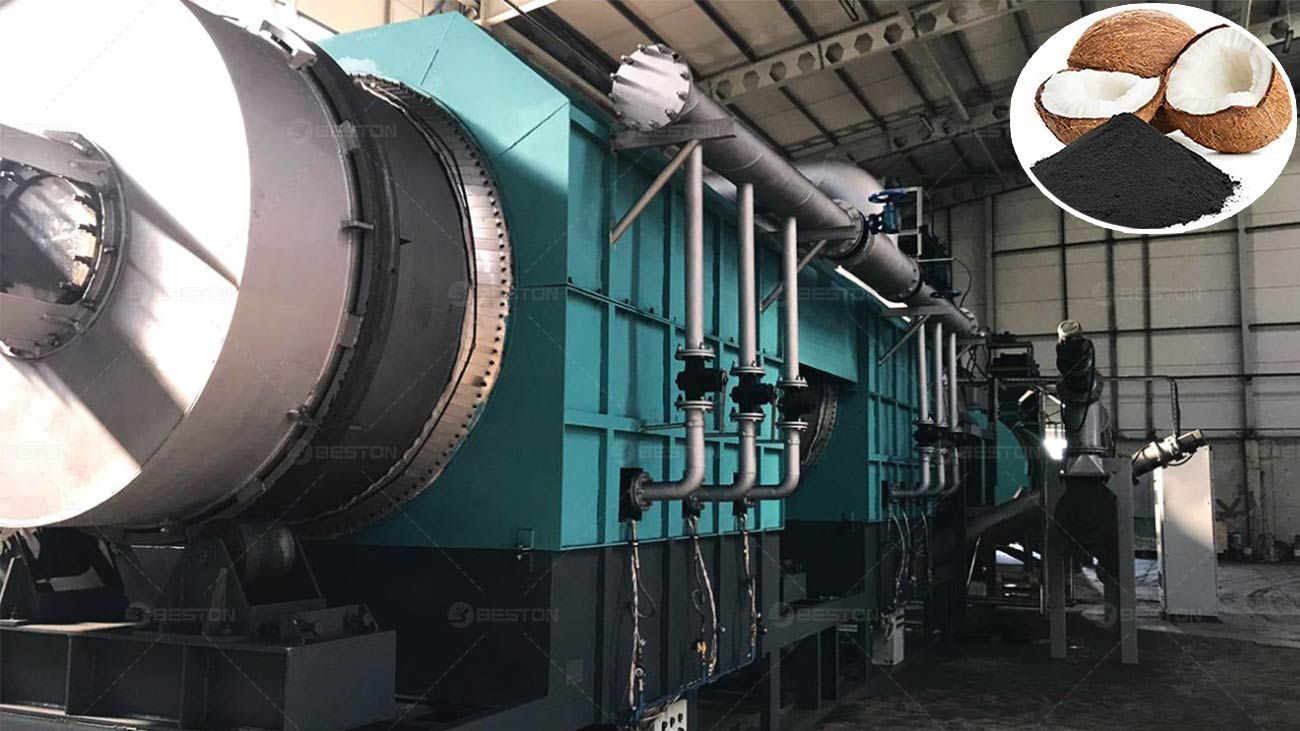
Why Continuous Charcoal Making Equipment Is Becoming the Preferred Choice for Large-Scale Production