8 Key Parameters to Check Before Buying a Straw Charcoal Making Machine
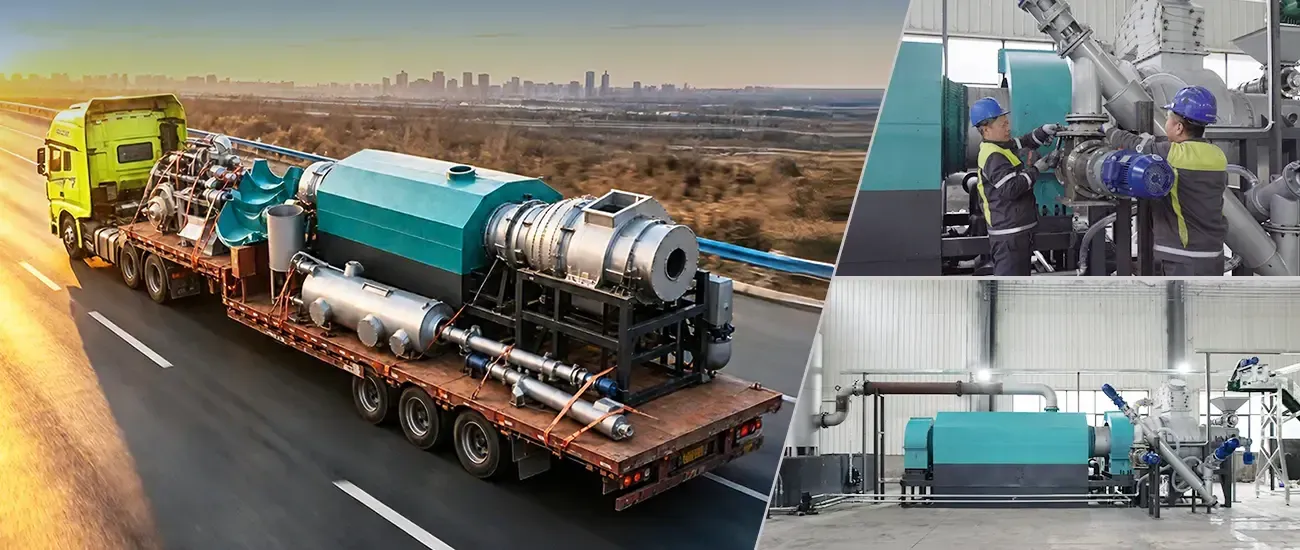
Converting agricultural straw into charcoal offers a practical way to utilize crop residues, reduce waste disposal challenges, and create marketable carbon-rich products. However, choosing the right equipment requires more than comparing prices and advertised production capacities. Feedstock characteristics, carbonization efficiency, energy consumption, environmental protection, and maintenance requirements all influence the long-term performance of a project.
Before investing in a straw charcoal making machine, buyers should understand the following eight technical parameters. These factors can help determine whether the equipment matches the available raw materials, production targets, and local environmental requirements.
1. Processing Capacity
Processing capacity indicates how much straw the machine can handle within a specified period, usually measured in kilograms per hour or tons per day. It is one of the first specifications to evaluate because it directly affects equipment selection and production planning.
However, rated capacity and actual output may differ. Straw moisture content, bulk density, particle size, feeding consistency, and operating hours can all influence throughput.
Buyers should clarify whether the stated capacity refers to raw straw input or finished charcoal output. These figures are not interchangeable because carbonization removes moisture and releases volatile compounds.
For commercial projects, estimate the daily availability of straw and the expected demand for charcoal before selecting a machine. Choosing capacity based on realistic feedstock supplies helps prevent equipment underutilization and unnecessary investment.
2. Feedstock Moisture Content and Pretreatment Requirements
Straw is a lightweight agricultural residue that can absorb moisture during storage. Excessive moisture increases the energy required for heating and can reduce overall processing efficiency.
Before purchasing a straw charcoal making machine, ask about the acceptable feedstock moisture range and whether a drying system is included. If the raw material is too wet, a dryer may be necessary to achieve stable carbonization conditions.
Particle size is another important consideration. Long straw fibers can create feeding and material-handling challenges, so cutting or crushing may be required, depending on the equipment design.
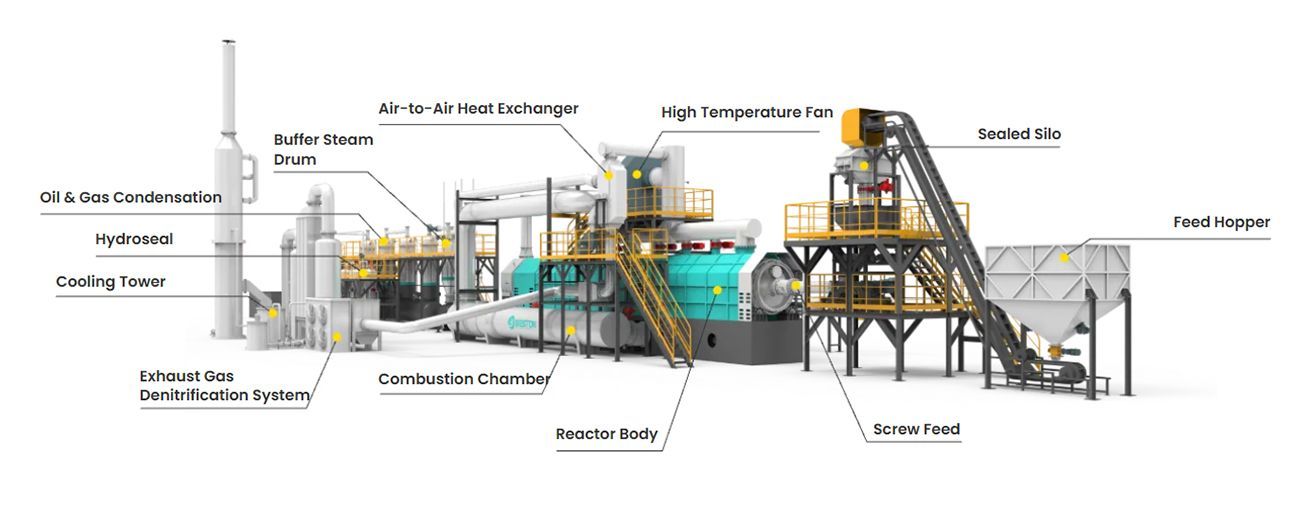
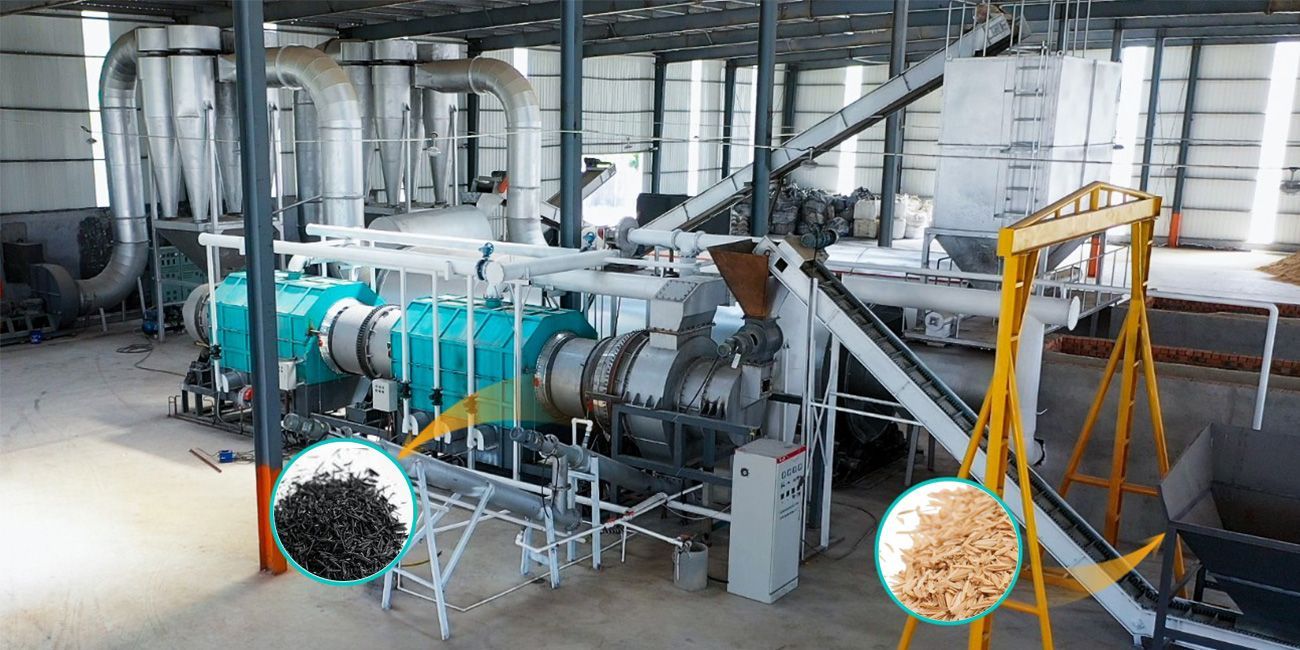
A complete production line may therefore include a straw cutter, dryer, feeding conveyor, carbonization unit, and charcoal discharge system. Evaluating these components together provides a more accurate picture of the project's total investment.
3. Carbonization Temperature and Control Accuracy
Carbonization temperature influences charcoal yield, fixed carbon content, volatile matter, and other product characteristics. The appropriate operating conditions depend on the straw type, moisture content, reactor design, and intended application.
A well-designed system should provide suitable temperature monitoring and control throughout the carbonization process. Temperature sensors and automated controls can help operators maintain stable conditions and reduce fluctuations caused by inconsistent heating.
Buyers should ask suppliers about the operating temperature range, sensor placement, heating method, and control system configuration. It is also important to understand whether the equipment allows operators to adjust process parameters for different types of agricultural residues.
Stable temperature control supports more consistent product quality. Nevertheless, higher temperatures do not automatically produce better charcoal, as the relationship between temperature, yield, and product properties depends on the feedstock and process conditions.
4. Charcoal Yield and Product Quality
Charcoal yield is a major factor in project profitability. It describes the quantity of charcoal produced relative to the amount of raw material processed.
Actual yield varies with straw species, moisture content, ash content, carbonization conditions, and the definition of the final product. Buyers should therefore request representative test data based on feedstock similar to their own.
Product quality matters just as much as yield. Depending on the intended market, important indicators may include fixed carbon, ash content, volatile matter, moisture content, calorific value, and mechanical strength.
For example, charcoal intended for fuel applications may require different properties from biochar intended for soil improvement or other specialized uses. Product specifications should be established before equipment selection so that the production process can be designed around the target market.
Avoid comparing yield figures from different suppliers unless the feedstock basis, operating conditions, and measurement methods are consistent.
5. Energy Consumption and Heat Recovery
Energy consumption affects daily operating expenses and the overall economics of straw carbonization. Buyers should evaluate electricity requirements, external fuel consumption, heating efficiency, and opportunities for heat recovery.
Depending on the equipment design, combustible gases generated during carbonization may be collected and reused as process fuel after appropriate treatment. This can reduce external fuel demand when gas production and quality are suitable for the intended system.
Insulation quality and heating-system design also influence energy performance. Poor insulation can increase heat losses, while inefficient heating arrangements may require more energy to maintain the desired operating conditions.
When comparing a straw charcoal making machine, request energy consumption figures per ton of raw straw processed. Confirm whether the figures include auxiliary equipment such as dryers, conveyors, fans, and gas treatment systems.
A realistic energy assessment should consider the entire production line rather than the carbonization reactor alone.
6. Environmental Protection and Emissions Control
Environmental protection is essential for agricultural waste carbonization projects. During carbonization, the process may generate combustible gases, condensable vapors, particulate matter, and other emissions that require appropriate management.
Buyers should examine the proposed exhaust gas treatment configuration and determine whether it is suitable for the feedstock, process design, and local regulations. Depending on the system, treatment may include gas collection, condensation, dust removal, scrubbing, and controlled combustion.
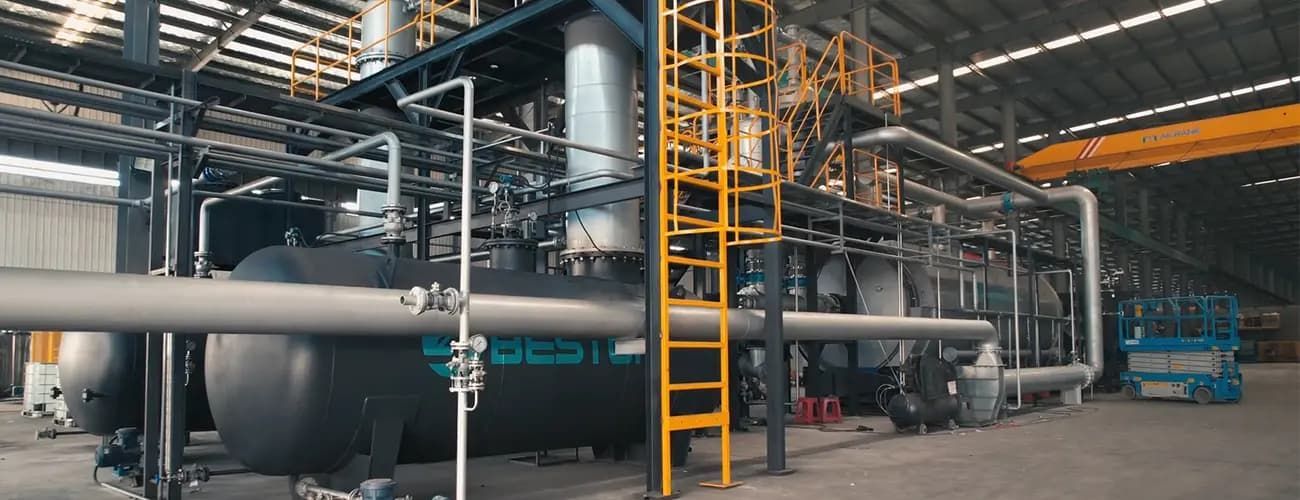
The equipment should also incorporate suitable sealing, ventilation, temperature monitoring, and fire protection measures. These features help reduce uncontrolled emissions and support safer operation.
Before purchasing, ask suppliers for details about emissions control capacity, available test reports, maintenance requirements, and the applicable environmental standards.
Keep in mind that equipment specifications alone do not guarantee compliance. Actual performance depends on installation, operating practices, maintenance, and local permitting requirements.
7. Automation, Safety, and Operating Reliability
The level of automation affects labor requirements, operating consistency, and fault detection. Depending on the configuration, a modern carbonization system may include automatic feeding, temperature regulation, conveyor control, and coordinated discharge.
A PLC-based control system can monitor key operating parameters and trigger alarms when conditions move outside predefined limits. More advanced systems may also provide historical data recording and remote monitoring.
Safety features should receive equal attention. Buyers should confirm the availability of emergency stops, appropriate temperature and pressure monitoring, protective interlocks, and safeguards for the gas handling system.
Maintenance accessibility is another important factor. Ask about the expected service life of major components, spare parts availability, inspection intervals, and technical support.
Reliable equipment with manageable maintenance requirements can reduce unplanned downtime and help maintain a predictable production schedule.
8. Installation Requirements and Total Investment Cost
The purchase price represents only one part of the total project cost. A complete budget should include the carbonization machine, pretreatment equipment, feeding and conveying systems, exhaust gas treatment, installation, utilities, labor, and routine maintenance.
Buyers should also check the required floor area, foundation conditions, power supply, fuel requirements, and arrangements for storing raw straw and finished charcoal.
For larger projects, consider the layout of material flow from feedstock storage to pretreatment, carbonization, cooling, and product packaging. An inefficient layout can increase labor costs and create operational bottlenecks.
When comparing suppliers, request a detailed equipment list and a clear description of the supply scope. Confirm which components are included in the quotation and which must be purchased separately.
Evaluating the total cost of ownership provides a more useful basis for investment decisions than comparing the initial equipment price alone.
Frequently Asked Questions
1. What types of straw can be processed by a straw charcoal making machine?
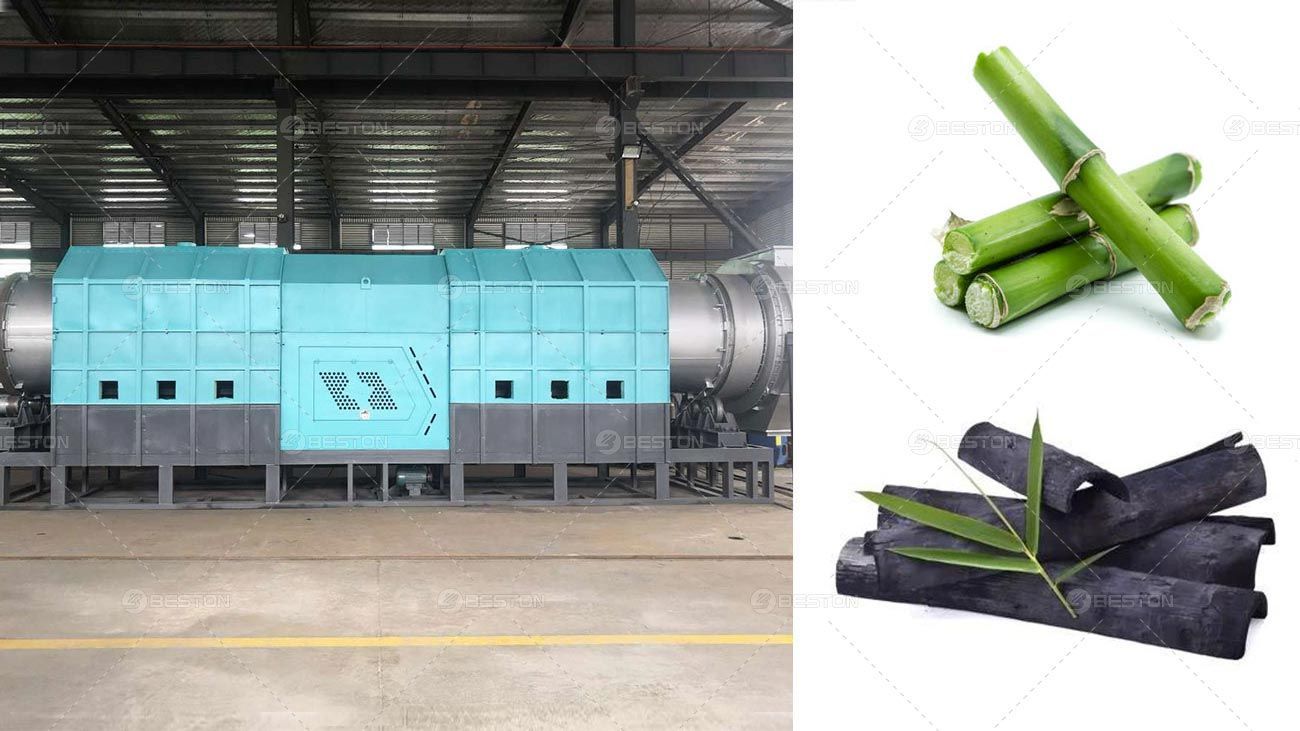
Depending on the equipment design, suitable materials may include rice straw, wheat straw, corn stalks, and other agricultural residues. However, different feedstocks vary in moisture content, ash content, bulk density, and handling characteristics.
Buyers should confirm the machine's compatibility with their specific raw materials and conduct a feedstock test when possible.
2. Does straw need to be dried before carbonization?
Not always, but moisture content is an important consideration. Wet straw requires additional energy to evaporate water, which may reduce processing efficiency and affect operating stability.
If the raw material exceeds the equipment's acceptable moisture range, a drying system may be necessary. The decision should be based on actual feedstock conditions and the manufacturer's technical requirements.
3. How much charcoal can be produced from one ton of straw?
There is no universal yield figure. The result depends on the type of straw, moisture content, ash content, carbonization conditions, and the method used to measure finished charcoal.
Request a representative production test and clarify whether the calculation uses wet or dry feedstock as its basis. This makes yield estimates more meaningful for production planning.
4. Can straw charcoal be sold as biochar?
Potentially, but the terms are not always interchangeable. Charcoal produced primarily for fuel may have different properties and quality requirements from biochar intended for soil improvement or environmental applications.
If the target market is agricultural biochar, the producer should assess relevant quality standards, contaminant limits, intended application, and any certification requirements.
5. Is a straw charcoal making machine environmentally friendly?
Its environmental performance depends on the complete system. Appropriate gas collection, emissions treatment, energy management, and residue handling can help reduce environmental impacts.
Buyers should verify actual emissions performance and applicable permit requirements rather than relying solely on general claims such as low emissions or smokeless operation.
6. Is continuous carbonization better than batch processing?
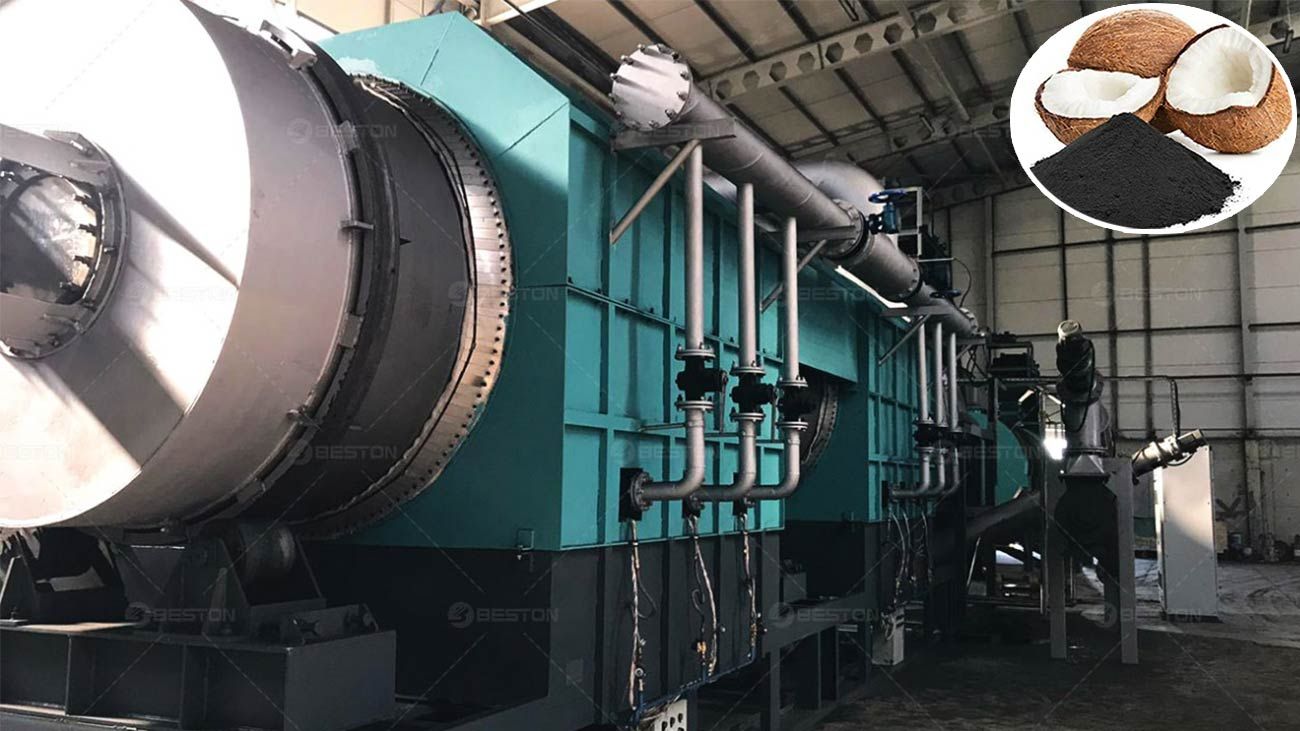
The answer depends on feedstock supply, production targets, investment budget, and operating requirements. Continuous systems can support more consistent production schedules and reduce interruptions associated with repeated batch cycles. Batch systems may be suitable for smaller projects or operations with variable material supplies.
Compare practical throughput, energy use, maintenance requirements, automation, and total investment before deciding.
Conclusion
Buying a straw charcoal making machine requires a comprehensive assessment of processing capacity, feedstock preparation, temperature control, charcoal yield, energy consumption, emissions treatment, automation, and total project cost.
The most suitable equipment is not necessarily the machine with the highest rated capacity or lowest purchase price. It is the system that matches the available straw, produces charcoal that meets market requirements, operates reliably, and complies with local environmental regulations.
By evaluating these eight parameters and confirming supplier specifications with practical test data, buyers can make more informed investment decisions and build a stronger foundation for agricultural waste utilization.


Why Continuous Charcoal Making Equipment Is Becoming the Preferred Choice for Large-Scale Production