Business Model of Solid Waste Pyrolysis: Dual Revenue from Treatment Fees and Recovered Oil
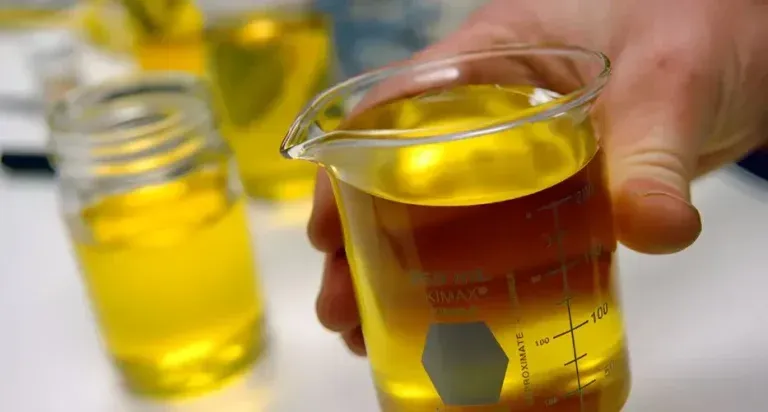
As waste generation continues to increase, companies are looking for treatment technologies that can not only reduce disposal costs but also create economic value from waste. Pyrolysis has attracted attention because it can process certain types of waste while recovering valuable products.
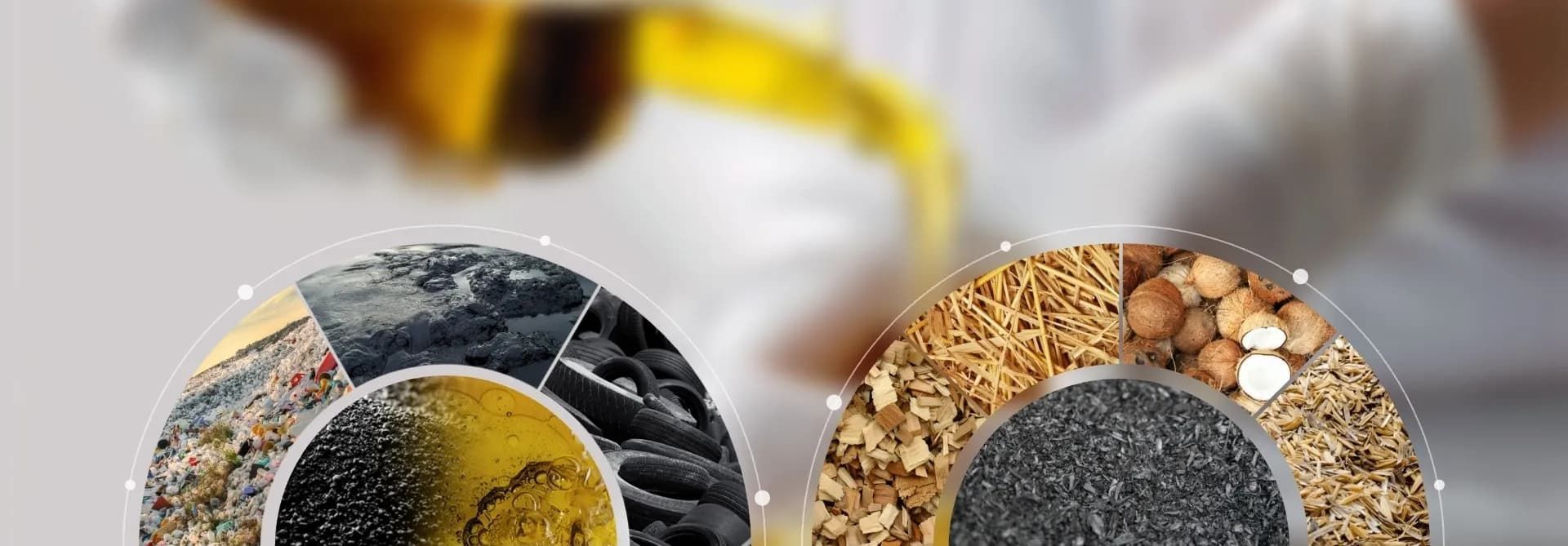
For waste streams such as scrap tires, waste plastics, and oil sludge, a properly designed pyrolysis plant can potentially generate revenue from two different sources: waste treatment fees and the sale of recovered oil. This dual-revenue model can provide an alternative business approach for waste management companies, recycling operators, and investors.
How Does the Dual-Revenue Model Work?
Traditional waste disposal businesses generally earn revenue by charging customers for collecting, transporting, or treating waste. The economic value of the waste itself may remain limited.
A pyrolysis project can add another source of income. After receiving waste from suppliers or waste generators, the operator may charge a treatment fee based on the quantity of material accepted. The waste is then processed through the pyrolysis plant, producing products such as pyrolysis oil, carbon-rich solid material, and non-condensable gas.
The recovered products can potentially be sold or reused, creating an additional revenue stream.
This creates a basic business model:
Waste treatment fee + Recovered product revenue = Potential total project revenue
However, the actual profitability depends on feedstock quality, local regulations, operating costs, product prices, and market demand.
Scrap Tires: Combining Disposal Services with Resource Recovery
Scrap tires are a typical feedstock for this model. Tire waste is difficult to dispose of through conventional methods because of its durability, large volume, and complex composition.
A tire pyrolysis project can accept scrap tires from tire dealers, vehicle service centers, waste management companies, or other sources. Depending on the local market, the project operator may charge a tipping or treatment fee for accepting the tires.
During pyrolysis, scrap tires can be converted into products including pyrolysis oil, recovered carbon material, and steel wire. The oil can potentially be used as an industrial fuel or further processed, while the solid products may have additional applications depending on their quality.
Therefore, the project does not rely entirely on the sale of pyrolysis oil. The treatment service itself can become part of the revenue structure.
Waste Plastics: Turning Disposal Costs into Processing Revenue
Waste plastic provides another opportunity for the dual-revenue model.
Some mixed or contaminated plastic waste can be difficult to recycle through conventional mechanical recycling. Landfilling and incineration may also involve significant costs or regulatory restrictions in certain markets.
A plastic pyrolysis project can accept suitable waste plastics and charge a treatment fee based on the feedstock volume or weight. The plastic is then thermally decomposed into hydrocarbon vapors, which are condensed into pyrolysis oil.
The economic value of the oil depends heavily on its properties, feedstock composition, and local market conditions. Therefore, operators should conduct feedstock testing before investing in a large-scale system.
Oil Sludge: Waste Treatment and Oil Recovery
Oil sludge has a different business characteristic because it already contains significant amounts of hydrocarbons mixed with water and solids.
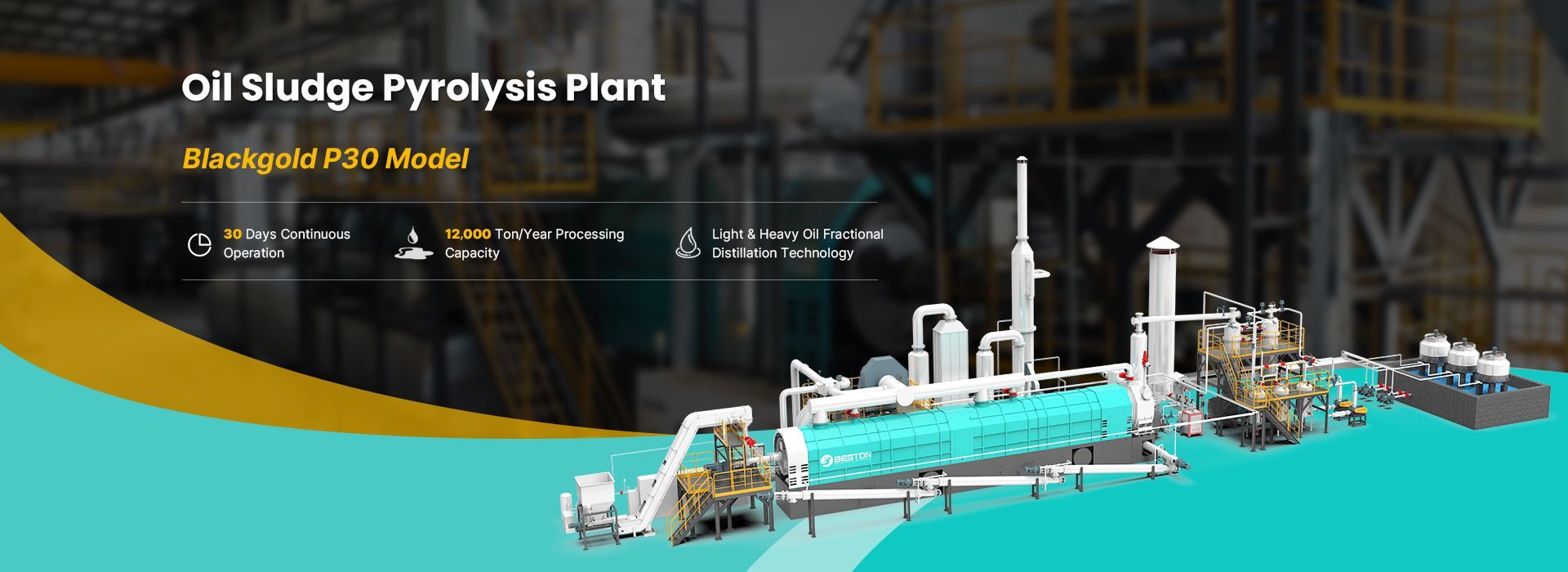
Refineries, oil storage facilities, drilling operations, and other petroleum-related businesses may need to pay for proper treatment of oil-contaminated sludge. A suitable thermal treatment or pyrolysis-based system can reduce the volume of contaminated material while recovering part of its hydrocarbon content.
For an oil sludge project, the treatment fee can therefore be an important component of project revenue. At the same time, recovered oil may provide additional economic value.
However, oil sludge composition can vary considerably. Moisture content, oil content, solid content, and contaminants should be analyzed before selecting the treatment process and estimating oil recovery.
Why Feedstock Supply Is Critical
The dual-revenue model only works when the plant has a reliable supply of suitable waste.
A high-capacity pyrolysis plant requires a corresponding volume of feedstock. If the supply is unstable, equipment utilization may remain low and fixed costs will be spread over fewer operating hours.
Long transportation distances can also reduce profitability. Therefore, projects should ideally be located close to major waste sources or within an efficient waste collection network.
The Importance of Product Markets
Treatment fees alone do not guarantee a successful project. The recovered products also need reliable markets.
Before construction, investors should identify potential buyers for pyrolysis oil and other by-products. Product quality, applicable fuel standards, transportation costs, storage requirements, and local regulations can all affect the actual selling price.
A project with a lower nominal processing capacity but strong local demand may be more profitable than a larger project without stable product buyers.
Key Costs to Consider
The dual-revenue model should be evaluated together with all major operating expenses. These may include labor, electricity, auxiliary fuel, maintenance, feedstock transportation, product storage, emissions control, wastewater treatment, and residue disposal.
In addition, the initial investment in the pyrolysis plant, land, infrastructure, environmental protection systems, and installation should be included in the financial analysis.
Conclusion
The combination of waste treatment fees and recovered oil sales gives pyrolysis projects an interesting business model for suitable waste streams such as scrap tires, waste plastics, and oil sludge.
The key advantage is that waste can provide value in two ways: customers may pay for responsible treatment, while the hydrocarbons contained in the waste can potentially be recovered as a valuable product.
Nevertheless, the dual-revenue model should not be viewed as a guaranteed profit formula. Feedstock supply, waste treatment regulations, product quality, operating costs, equipment utilization, and local market conditions all influence the final economics.
For investors considering a pyrolysis plant, the most important step is to evaluate the complete value chain—from waste collection and treatment to product recovery, sales, and final residue management. A well-designed project should balance waste availability, processing capacity, environmental compliance, and product demand to build a sustainable long-term business model.
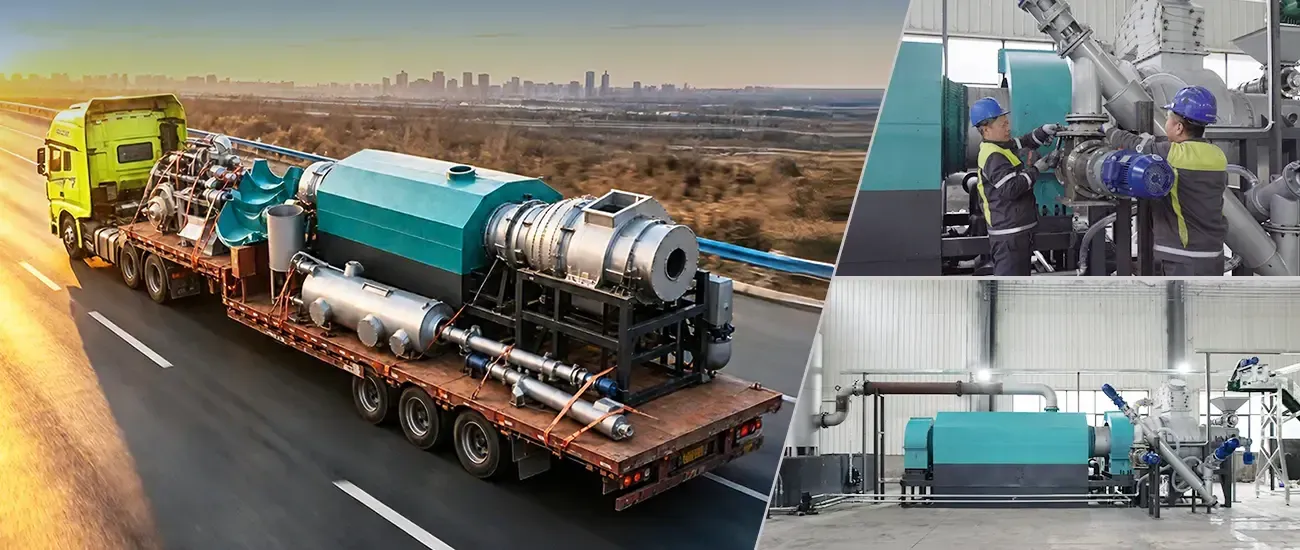
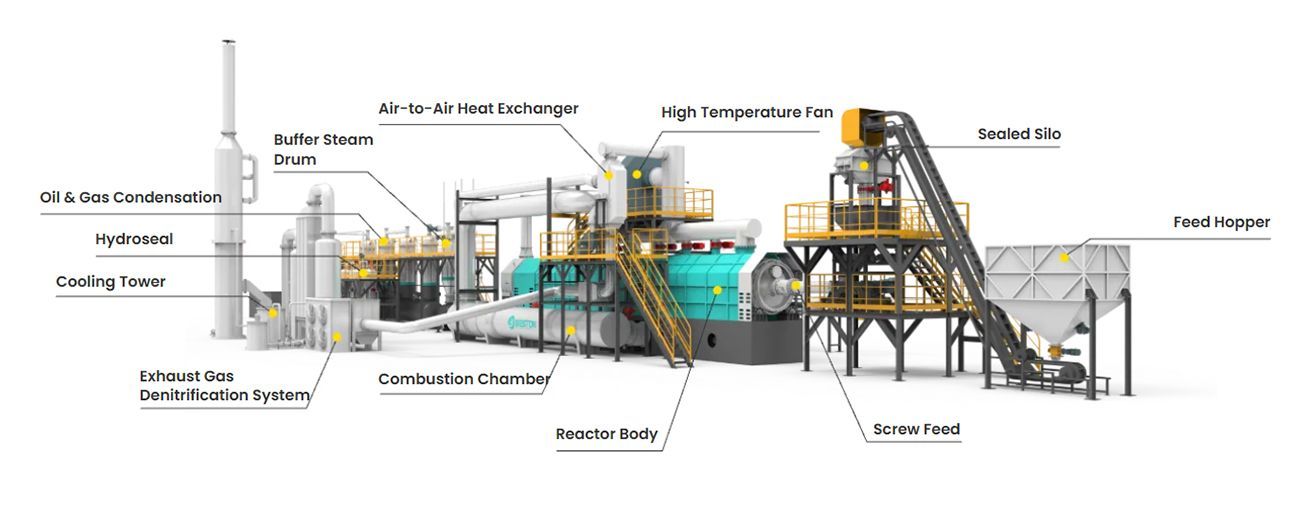
Why Continuous Charcoal Making Equipment Is Becoming the Preferred Choice for Large-Scale Production