What Information Is Needed for a Pyrolysis Plant Feasibility Study?
A pyrolysis plant feasibility study is an essential step before investing in an industrial pyrolysis project. It helps investors evaluate whether a proposed project is technically viable, economically reasonable, and suitable for local operating conditions. A reliable assessment requires more than an estimate of equipment costs. It must consider feedstock availability, processing capacity, product markets, energy consumption, environmental requirements, and expected operating expenses.
Preparing the right information in advance allows equipment suppliers and engineering teams to develop a more accurate technical proposal and investment estimate. The following factors are particularly important when evaluating a pyrolysis plant project.
1. Feedstock Type and Characteristics
The first requirement is identifying the material to be processed. Different feedstocks have different physical and chemical properties, which directly affect equipment selection, operating conditions, and product yields.
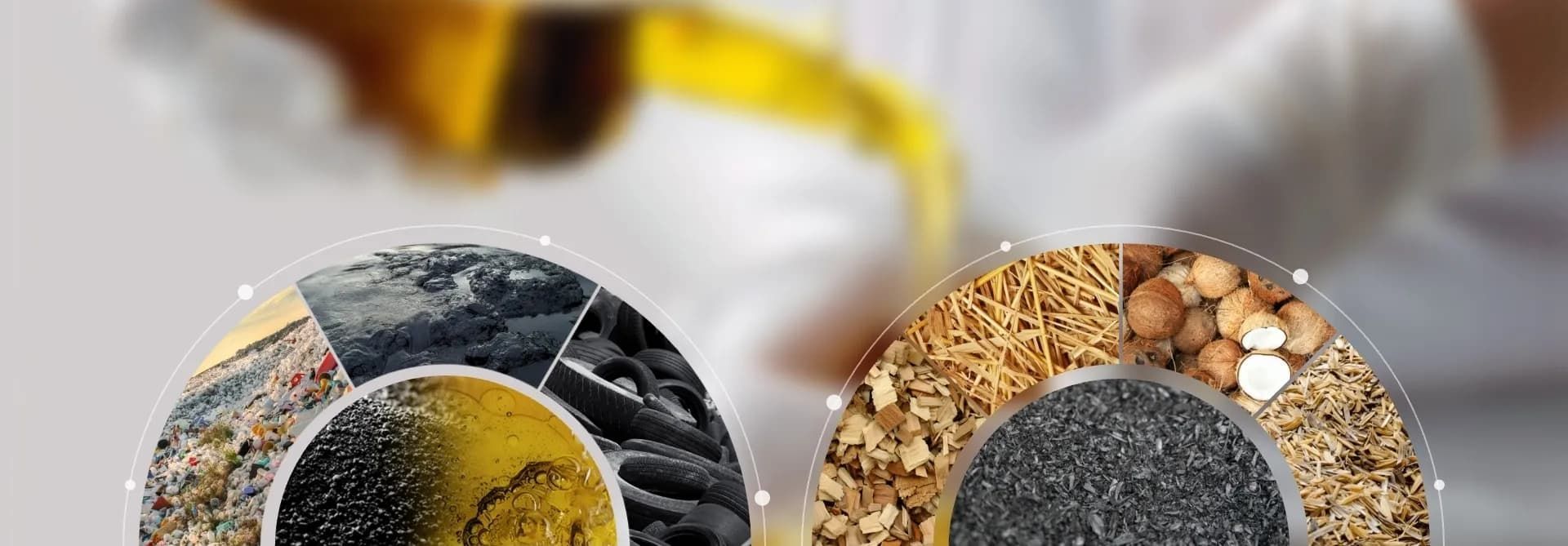
Common pyrolysis feedstocks include waste tires, waste plastics, biomass, sludge, and other carbon-containing materials. Investors should provide the following information whenever possible:
- Feedstock type: The exact material intended for processing.
- Daily or annual supply: The quantity available for continuous operation.
- Moisture content: High moisture levels may increase drying requirements and energy consumption.
- Particle size and physical condition: These influence feeding, pretreatment, and material handling.
- Contamination levels: Soil, metals, chlorine-containing materials, and other impurities may affect processing and emissions control.
- Supply stability: Seasonal availability and long-term sourcing arrangements help determine whether the plant can operate consistently.
If laboratory analysis is available, sharing the results can help the engineering team assess pretreatment requirements and estimate potential product characteristics.
2. Required Processing Capacity
The planned processing capacity determines the scale of the pyrolysis plant and its overall configuration.
Investors should specify the required feedstock throughput, such as tons per day or tons per year. It is also useful to clarify the intended operating schedule, including daily operating hours, annual operating days, and the desired production continuity.
For example, a project designed to process 10 tons of feedstock per day may require a different equipment configuration from a facility targeting 100 tons per day.
The feasibility study should also consider future expansion. If feedstock supply is expected to increase, a modular design or a larger continuous processing system may offer greater flexibility than a plant designed only for current demand.
3. Project Location and Site Conditions
The project location influences transportation costs, construction expenses, utility availability, environmental compliance, and logistics.
Important site information includes the country, city, available land area, existing buildings, road access, and proximity to feedstock suppliers or product buyers.
Investors should also identify the availability and cost of electricity, water, and other required utilities. Local climate conditions, soil conditions, and access for heavy equipment may affect construction and installation.
In addition, zoning rules, industrial land-use restrictions, and local permitting procedures should be reviewed before finalizing the plant design.
4. Target Products and Revenue Sources
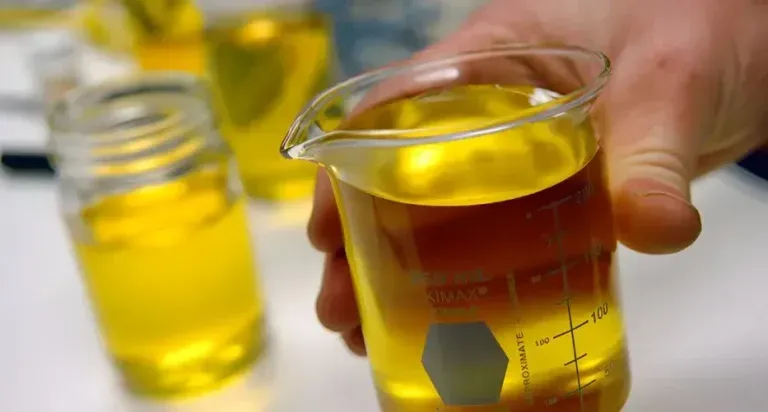
A pyrolysis plant may generate several outputs depending on the feedstock and process configuration. These can include pyrolysis oil, carbon black or char, combustible gas, and other recoverable materials.
The feasibility study should clarify which products the investor intends to produce and how they will be used or sold.
For example, a waste tire pyrolysis project may focus on pyrolysis oil and recovered carbon black, while a biomass pyrolysis project may prioritize biochar and its potential applications.
Potential buyers, local market prices, product quality requirements, and transportation arrangements should all be investigated. Revenue estimates should use realistic product yields and market assumptions rather than theoretical maximum values.
Combustible pyrolysis gas may also be reused to provide process heat, potentially reducing external fuel requirements. However, the actual energy savings depend on gas composition, system efficiency, and operating conditions.
5. Environmental and Regulatory Requirements
Environmental compliance is a critical part of feasibility planning, particularly for projects processing waste materials.
The project team should identify applicable requirements for air emissions, wastewater, solid residues, odor control, noise, and waste handling. Depending on the feedstock and jurisdiction, additional controls may be necessary for dust, acid gases, volatile compounds, or other pollutants.
Safety considerations should also be evaluated, including combustible gas management, pressure control, fire prevention, emergency shutdown systems, and safe storage of products.
Understanding these requirements early helps determine the necessary environmental protection equipment and reduces the risk of costly design changes later.
6. Investment Budget and Operating Costs
A feasibility study should estimate both initial investment and long-term operating expenses.
The initial investment may include pyrolysis equipment, pretreatment systems, environmental protection equipment, civil construction, installation, utilities, engineering, and commissioning.
Operating expenses typically include labor, electricity, fuel, maintenance, feedstock transportation, consumables, residue disposal, and product logistics.
Investors should provide an approximate investment budget and clarify whether the project will be developed in phases or as a complete industrial facility.
A financial assessment should compare estimated revenues with operating costs and capital expenditure. Sensitivity analysis is also valuable because changes in feedstock prices, product yields, selling prices, and plant utilization can significantly affect profitability.
7. Automation and Operational Preferences
The preferred level of automation affects equipment selection, labor requirements, and operational complexity.
Investors should clarify whether they prefer batch or continuous processing, the expected staffing level, and whether remote monitoring or centralized control is required.
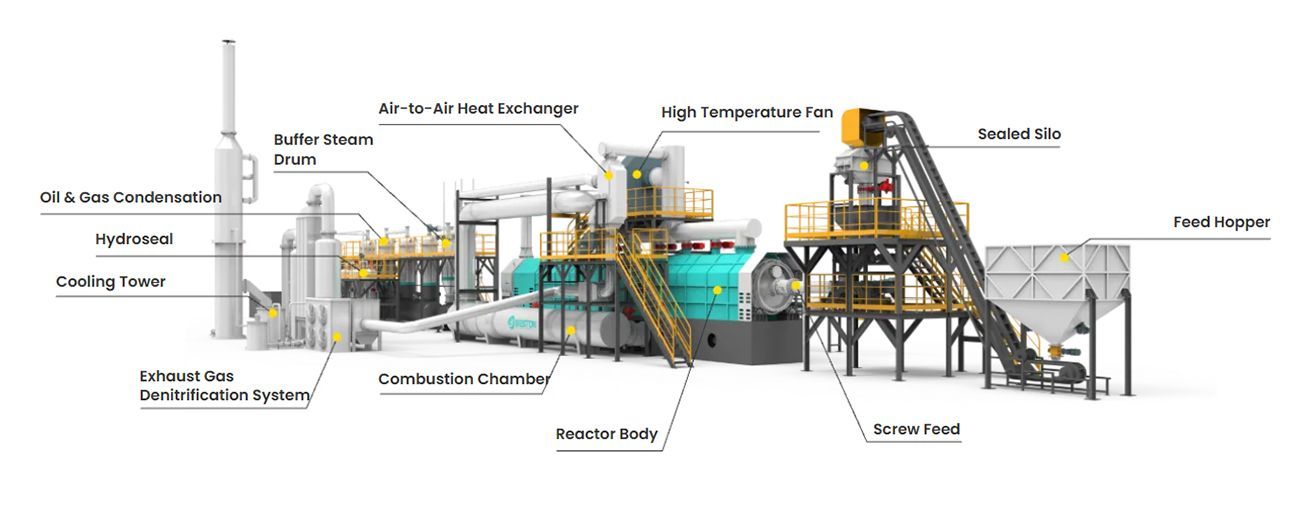
Continuous pyrolysis systems may be advantageous for projects requiring high throughput and extended operating periods. Automated feeding, temperature regulation, gas utilization, and discharge can help maintain stable operation and reduce routine manual intervention.
The final configuration should reflect the project's capacity, budget, feedstock characteristics, and maintenance capabilities.
Conclusion
A comprehensive pyrolysis plant feasibility study depends on accurate information about feedstock, processing capacity, site conditions, target products, environmental requirements, investment budget, and operational expectations.
The more complete these details are, the easier it becomes to evaluate suitable technologies, estimate project costs, and identify potential risks before equipment procurement begins.
For investors planning a new pyrolysis facility, preparing these details early provides a practical foundation for technical discussions with equipment suppliers and helps move the project from an initial concept toward a realistic implementation plan.

Why Continuous Charcoal Making Equipment Is Becoming the Preferred Choice for Large-Scale Production