Rice Hull Carbonizer vs. Traditional Charcoal Kiln: What Is the Difference?
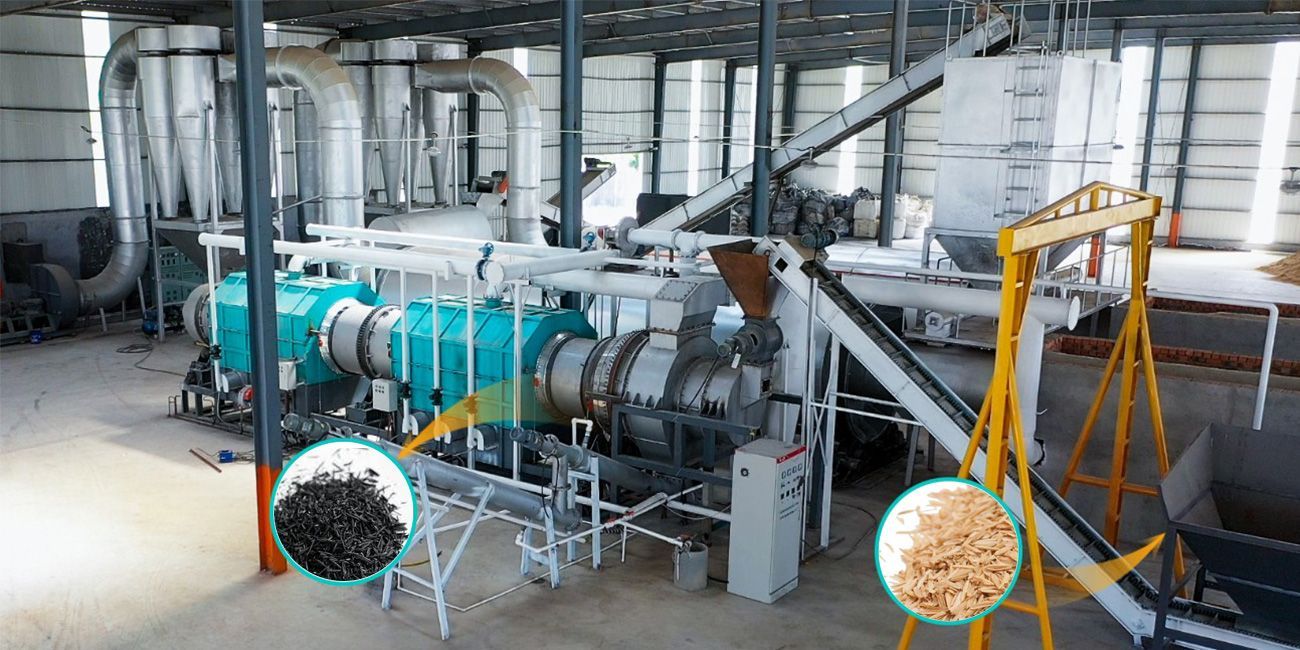
Rice husk is one of the most abundant agricultural residues generated by rice mills. Traditionally, farmers and small processors have relied on simple charcoal kilns to convert biomass into charcoal. However, as rice husk utilization moves toward larger-scale and more controlled production, a rice hull carbonizer offers a different approach.
So, what is the difference between a modern rice hull carbonizer and a traditional charcoal kiln? The answer lies mainly in automation, temperature control, energy utilization, production capacity, and product consistency.
1. Different Carbonization Processes
A traditional charcoal kiln generally uses a relatively simple heating structure. Biomass is loaded into the kiln, heated under limited oxygen conditions, and carbonized over a certain period. After carbonization, the material needs to cool before the charcoal can be removed.
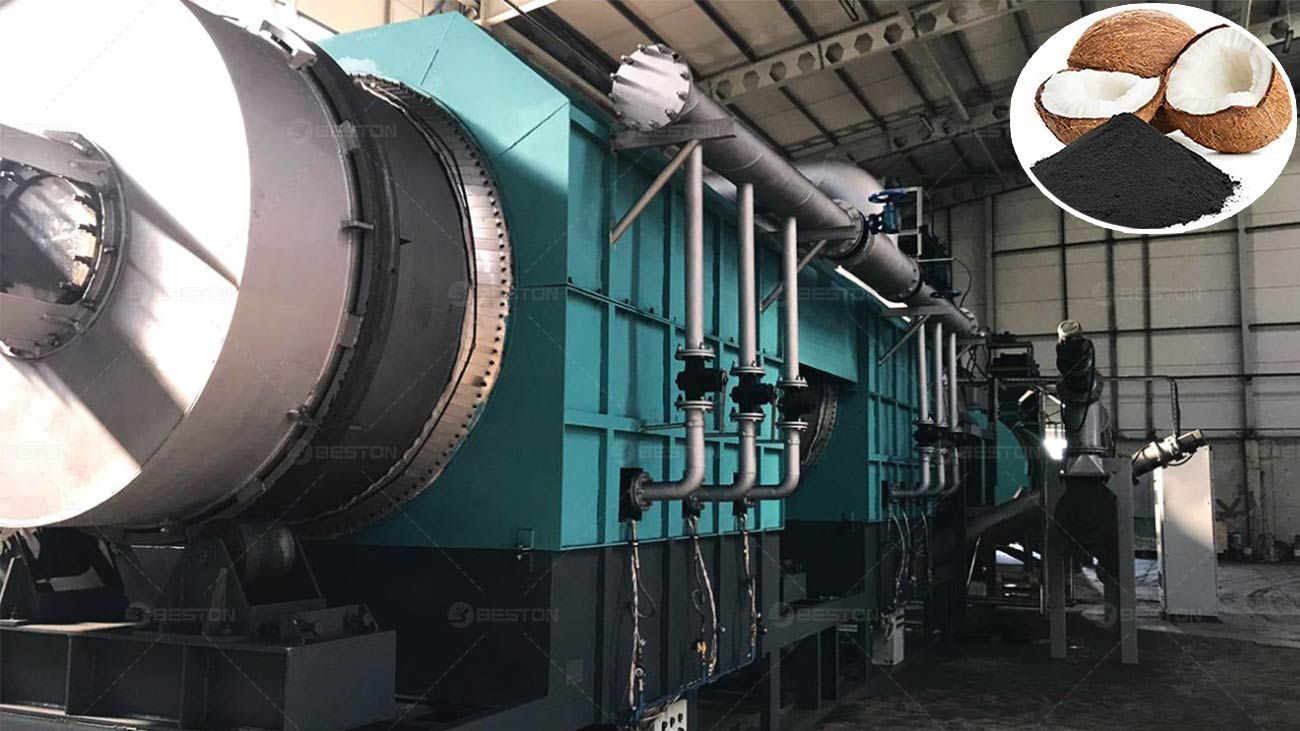
A modern rice hull carbonizer is designed specifically for continuous or semi-continuous biomass carbonization. Rice husk can be continuously fed into the carbonization chamber, where controlled heating converts the material into charcoal. The carbonization conditions can be adjusted according to the characteristics of the feedstock and the desired product. This makes the process more suitable for industrial rice husk recycling.
2. Temperature Control and Product Quality
Temperature is one of the most important factors affecting charcoal quality.
Traditional kilns often depend heavily on operator experience to control the combustion and carbonization process. Temperature distribution can also vary between different areas of the kiln. As a result, some material may be fully carbonized while other material remains partially carbonized.
A rice hull carbonizer generally provides more precise process control. Sensors, heating systems, and automatic controls can help maintain relatively stable operating conditions. Better control can improve the consistency of the resulting rice husk charcoal.
For businesses selling charcoal or biochar as a standardized product, this consistency can be particularly important.
3. Continuous Production vs. Batch Production
Production mode is another major difference.
Traditional charcoal kilns normally operate in batches. Operators need to load the raw material, wait for carbonization, cool the kiln, and then remove the finished charcoal before starting another cycle.
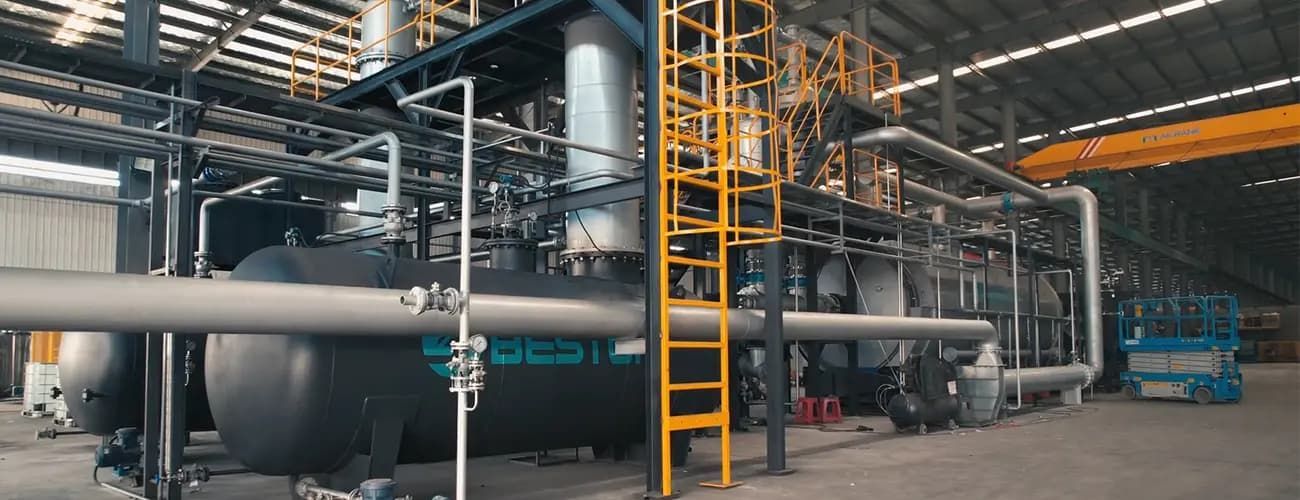
An industrial rice hull carbonizer can be designed for continuous feeding and continuous discharge. This reduces downtime between batches and allows the equipment to operate for longer periods.
For rice mills producing large quantities of rice husk every day, continuous operation can make waste handling more efficient and reduce dependence on manual labor.
4. Energy Utilization
Traditional kilns may consume considerable external fuel during startup and operation, depending on their design.
Modern carbonization equipment can recover combustible gases generated during the carbonization process. After appropriate treatment and control, these gases can be reused as a heat source for the carbonization system.
This energy-recycling concept can reduce the need for additional fuel and improve overall thermal efficiency.
Therefore, when evaluating a rice hull carbonizer, investors should not only consider the purchase price of the machine but also examine its heating system, gas utilization, insulation, and long-term energy consumption.
5. Labor Requirements
Traditional charcoal production can require significant manual work. Loading, unloading, temperature monitoring, and charcoal handling may all require workers.
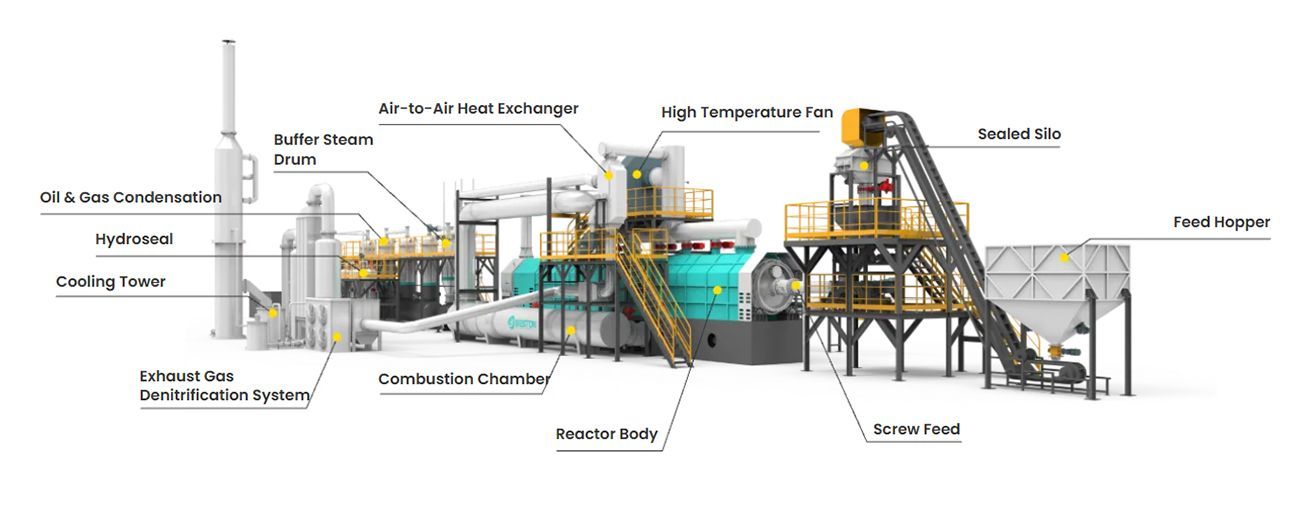
An automated rice hull carbonizer can integrate feeding, carbonization, gas recycling, cooling, and discharge systems. Depending on the equipment configuration, automation can reduce routine manual intervention.
This can be particularly valuable where labor costs are rising or where the project needs to process large volumes of agricultural residues.
6. Which One Is Better for Your Project?
The better option depends on the scale and objectives of the project.
A traditional charcoal kiln may be suitable for small-scale production where investment is limited and production requirements are relatively low. It can provide a simple way to convert biomass into charcoal without complex equipment.
However, for commercial rice mills, biomass recycling companies, and investors handling large quantities of rice husk, a rice hull carbonizer can provide advantages in continuous operation, process control, energy recovery, and product consistency.
Conclusion
The difference between a traditional charcoal kiln and a rice hull carbonizer is not simply a difference in equipment size. It represents a shift from relatively simple batch production toward more controlled and industrialized biomass carbonization.
For small projects, a traditional kiln may still have practical value. For large-scale rice husk utilization, however, a modern rice hull carbonizer can provide a more systematic solution for converting agricultural waste into valuable charcoal.
Before making an investment, businesses should evaluate feedstock availability, required capacity, charcoal applications, energy consumption, automation level, environmental requirements, and expected operating costs. A well-designed carbonization system can turn rice husk from a disposal challenge into a long-term resource recovery opportunity.


Why Continuous Charcoal Making Equipment Is Becoming the Preferred Choice for Large-Scale Production