Economics of Oily Sludge Pyrolysis Treatment: Tipping Fees, Resource Recovery, and Profitability
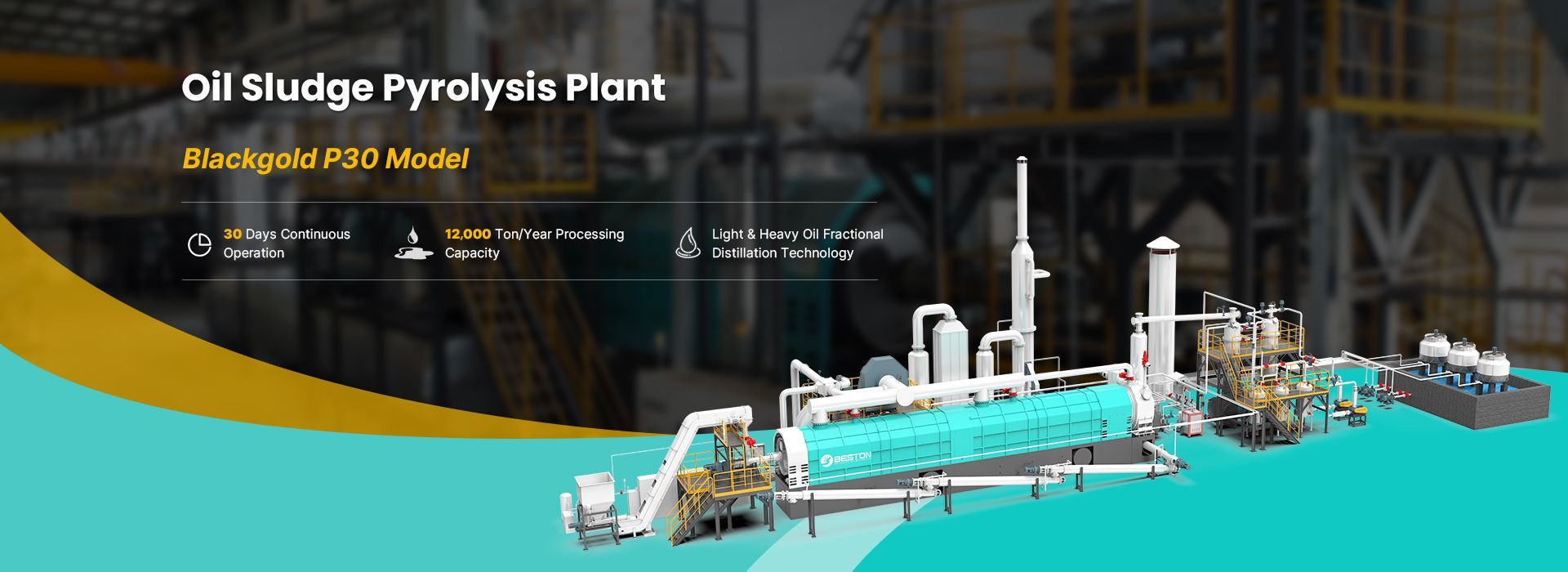
Oily sludge is often treated as a disposal problem, but it can also represent an opportunity for resource recovery. Depending on its composition and local regulations, thermal treatment can reduce the volume of oily waste while recovering hydrocarbons and treating the remaining solids.
The economics of oily sludge pyrolysis are different from conventional waste-to-product projects because revenue may come from more than one source. Tipping fees, recovered oil, solid residues, and sometimes combustible gas can all contribute to the overall business model. At the same time, feedstock composition, energy consumption, transportation, and environmental compliance can have a major impact on profitability.
1. Tipping Fees Can Create an Additional Revenue Stream
One of the most important economic differences in oily sludge treatment is that the operator may not always need to purchase the feedstock.
Oil companies, refineries, drilling contractors, tank-cleaning companies, and other industrial facilities may need to pay for the treatment or disposal of oily sludge. Where local regulations and commercial contracts allow it, a treatment facility can receive a tipping fee for accepting the waste.
This means the value of the feedstock can be negative from the generator's perspective but positive for the treatment operator.
However, tipping fees should not automatically be treated as guaranteed revenue. They depend on local disposal costs, environmental regulations, competing treatment options, transportation distances, and contractual arrangements.
2. Hydrocarbon Recovery Adds Product Revenue
Oily sludge can contain recoverable hydrocarbons in addition to water and mineral solids. During thermal treatment, hydrocarbons can be released as vapors and subsequently condensed into liquid products.
The potential revenue from recovered oil depends on the actual oil content of the sludge and the quality of the recovered product.
For example, sludge with a high hydrocarbon fraction may provide greater recovery potential than material dominated by water and inorganic solids. This is why laboratory analysis is important before developing a financial model.
Product quality also matters. Buyers may evaluate properties such as water content, viscosity, density, sulfur, and other contaminants before determining whether recovered oil is suitable for their intended application.
3. Moisture Content Has a Direct Economic Impact
Water does not generate recovered hydrocarbon revenue, but it consumes energy during thermal treatment.
A sludge containing a high proportion of water requires energy to heat and vaporize that water before the target hydrocarbons can be effectively recovered. Consequently, two facilities processing the same amount of oily sludge can have significantly different operating costs.
Feedstock characterization should therefore include moisture content as well as oil and solid fractions.
Where practical, mechanical dewatering or other pretreatment methods may reduce the amount of water entering the thermal system and improve overall energy efficiency.
4. Energy Costs Need to Be Included
Thermal treatment requires energy for heating the feedstock and maintaining the required operating temperature.
Some systems can utilize combustible non-condensable gases generated during the process as part of the heating system after appropriate treatment and process control. This can reduce dependence on external fuel, although the actual energy balance depends on the feedstock and system configuration.
Electricity consumption, startup fuel, auxiliary equipment, cooling systems, and gas treatment should all be included when calculating operating costs.
5. Transportation Can Make or Break the Economics
Oily sludge is often generated at dispersed industrial sites. Because the material can contain substantial amounts of water and solids, transporting it over long distances can become expensive.
A treatment facility located close to major sludge generators may therefore have an economic advantage compared with a similar facility that relies on long-distance transportation.
The financial model should consider both inbound transportation of oily sludge and outbound transportation of recovered products and treated solids.
6. Treatment Capacity Influences Fixed Costs
A facility's processing capacity should match the available sludge supply.
Oversizing a plant can result in low utilization, meaning capital costs are spread over fewer processed tons. Undersizing can create a different problem if available sludge exceeds the plant's practical capacity.
Instead of using only the nominal tons-per-day capacity, the financial model should estimate realistic annual throughput based on operating days, maintenance, feedstock availability, and seasonal fluctuations.
7. Build the Revenue Model Around Multiple Sources
A simplified annual revenue model can be expressed as:
Total Revenue = Tipping Fee Revenue + Recovered Oil Revenue + Other Product Revenue
Operating costs can then include:
Total Operating Cost = Feedstock Logistics + Energy + Labor + Maintenance + Environmental Treatment + Other Operating Expenses
This makes it easier to determine the contribution of each revenue stream.
For example, a project may remain commercially viable even when recovered oil prices fluctuate if a stable treatment contract provides a significant portion of total revenue. Conversely, a project that relies heavily on oil sales may be more exposed to changes in hydrocarbon prices.
8. Use Scenario Analysis Instead of One Profit Figure
Oily sludge composition and market conditions can change over time, so a single profitability estimate may be misleading.
A more useful model can include conservative, base, and high-performance scenarios. Variables can include tipping fees, sludge moisture, oil recovery rate, recovered oil selling price, plant utilization, energy consumption, and transportation costs.
This approach shows which assumptions have the greatest influence on project economics and helps operators identify the conditions required for sustainable operation.
Conclusion
The economics of oil sludge treatment plant depend on more than the value of recovered oil. Tipping fees can provide an additional source of revenue, while hydrocarbon recovery can turn part of the waste stream into a marketable resource. At the same time, moisture, transportation, energy consumption, operating capacity, and environmental requirements can significantly affect costs.
For this reason, a realistic oily sludge treatment business model should evaluate the entire value chain—from waste collection and treatment fees to resource recovery and final product sales. Using actual sludge analysis, local disposal costs, potential customer requirements, and site-specific operating expenses will provide a much more reliable basis for evaluating project profitability.


Why Continuous Charcoal Making Equipment Is Becoming the Preferred Choice for Large-Scale Production