Plastic Into Fuel: What Conditions Are Required for Efficient Pyrolysis?
Converting waste plastic into fuel through pyrolysis has attracted increasing attention as industries look for alternatives to landfill disposal and traditional waste management. However, producing useful hydrocarbon products from plastic is not simply a matter of heating plastic to a high temperature. A successful plastic into fuel process requires controlled thermal conditions, suitable feedstock preparation, reliable reactor sealing, effective vapor condensation, and appropriate downstream treatment.
Understanding these conditions is essential for anyone evaluating a plastic-to-fuel recycling project.
1. An Oxygen-Limited Environment Is Essential
Plastic pyrolysis is fundamentally different from conventional plastic combustion. In pyrolysis, plastic is thermally decomposed under an oxygen-free or oxygen-limited environment.
If excessive oxygen enters the reactor, the plastic can burn instead of undergoing controlled thermal decomposition. Therefore, reactor sealing and pressure management are important parts of the system design.
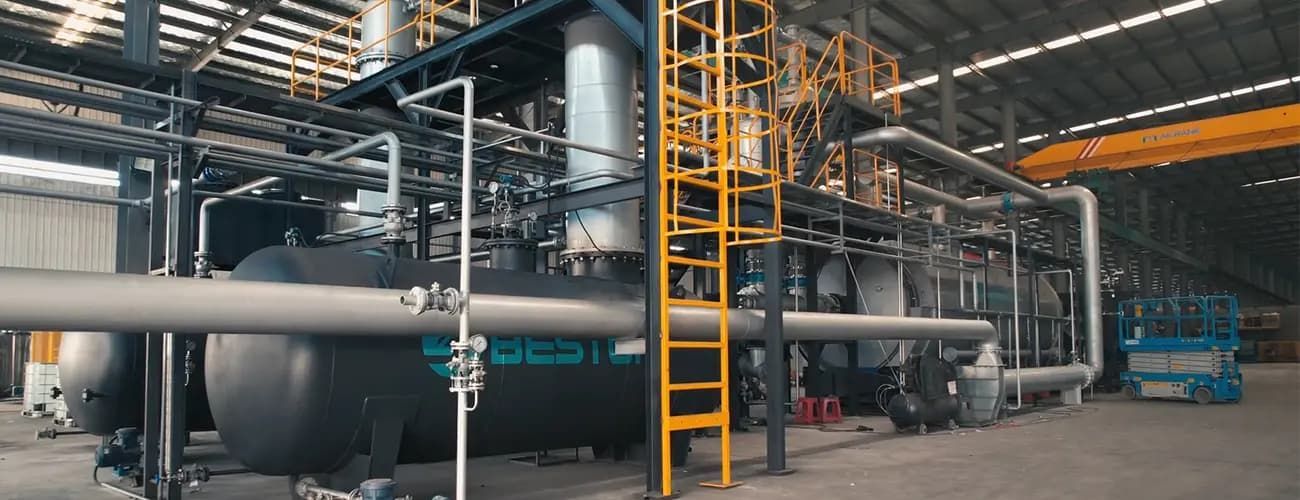
A well-designed reactor of plastic into fuel machine should minimize air infiltration while allowing feedstock to enter and pyrolysis products to leave in a controlled manner.
2. Temperature Must Match the Feedstock
Temperature is one of the most important parameters in plastic pyrolysis, but there is no single temperature that works for every type of plastic.
Common polyolefins such as polyethylene (PE) and polypropylene (PP) can be thermally decomposed at several hundred degrees Celsius. The optimal operating range depends on the feedstock composition, reactor design, heating method, and desired product distribution.
Temperature can influence whether the process produces more liquid hydrocarbons, gases, or heavier wax-like materials. Therefore, industrial systems need accurate temperature monitoring rather than simply maximizing heat.
3. Residence Time Affects Product Distribution
Plastic must remain in the reaction zone long enough to achieve the required thermal decomposition.
If the residence time is insufficient, some material may not be completely converted. Excessive residence time or overly severe thermal conditions, on the other hand, can increase secondary cracking and gas formation.
For continuous systems, controlling the movement of material through the reactor is therefore particularly important. Feed rate, reactor geometry, heating conditions, and material properties all contribute to effective residence-time control.
4. Feedstock Preparation Cannot Be Ignored
The quality of the final pyrolysis oil begins with the quality of the plastic feedstock.
Waste plastic may contain soil, moisture, metals, paper, food residues, and different polymer types. Sorting and pretreatment can improve process stability and reduce contamination.
PVC deserves particular attention. Chlorine-containing materials can generate corrosive compounds during thermal processing and may create additional purification requirements for the resulting oil.
For this reason, a commercial project should analyze its actual plastic feedstock before selecting the pyrolysis technology.
5. Efficient Vapor Condensation Is Critical
During pyrolysis, plastic is converted into hydrocarbon vapors. These vapors must be cooled and condensed to recover liquid pyrolysis oil.
An efficient condensation system can separate condensable hydrocarbons from non-condensable gases. The design of the condenser system influences liquid recovery and the characteristics of the resulting oil.
If the condensation system is poorly matched to the reactor and vapor production rate, valuable hydrocarbons may remain in the gas phase or cause operational problems.
6. Non-Condensable Gas Can Support Energy Recovery
Plastic pyrolysis does not produce only liquid oil. A portion of the hydrocarbon vapors remains non-condensable under the selected operating conditions.
After appropriate gas handling, these gases can potentially be used as a supplemental heat source for the pyrolysis process. This creates an opportunity for internal energy recycling.
Once the system reaches stable operating conditions, utilizing process gas can reduce reliance on external fuel. Actual energy consumption depends on feedstock moisture, reactor efficiency, insulation, capacity, and operating conditions.
7. Pyrolysis Oil Usually Needs Further Processing
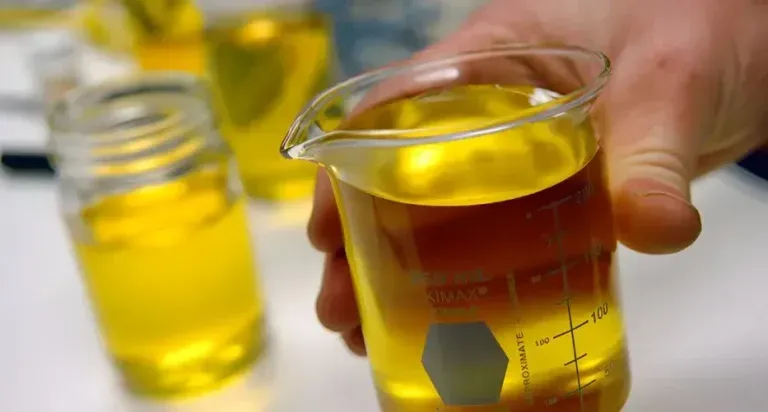
One of the most important points in a plastic into fuel project is that raw pyrolysis oil should not automatically be classified as finished transportation fuel.
Its composition can vary depending on feedstock and operating conditions. Depending on the target market, the oil may require filtration, dechlorination, distillation, stabilization, hydrogenation, or other upgrading processes.
Distillation can separate the oil into different boiling-range fractions, including lighter naphtha-range and heavier diesel-range streams. Additional upgrading may then be required to meet specific fuel or petrochemical feedstock specifications.
Conclusion
An efficient plastic-to-fuel project depends on much more than reactor temperature. Oxygen control, temperature management, residence time, feedstock preparation, vapor condensation, gas utilization, and downstream upgrading all influence the final result.
The basic process can be summarized as:
Waste Plastic → Pretreatment → Oxygen-Limited Pyrolysis → Hydrocarbon Vapors → Condensation → Pyrolysis Oil → Distillation & Upgrading → Fuel-Range Products
For investors and project developers, evaluating the entire process chain is more important than focusing on oil yield alone. A properly designed system should match the actual feedstock, production capacity, energy requirements, product specifications, and local regulatory conditions.

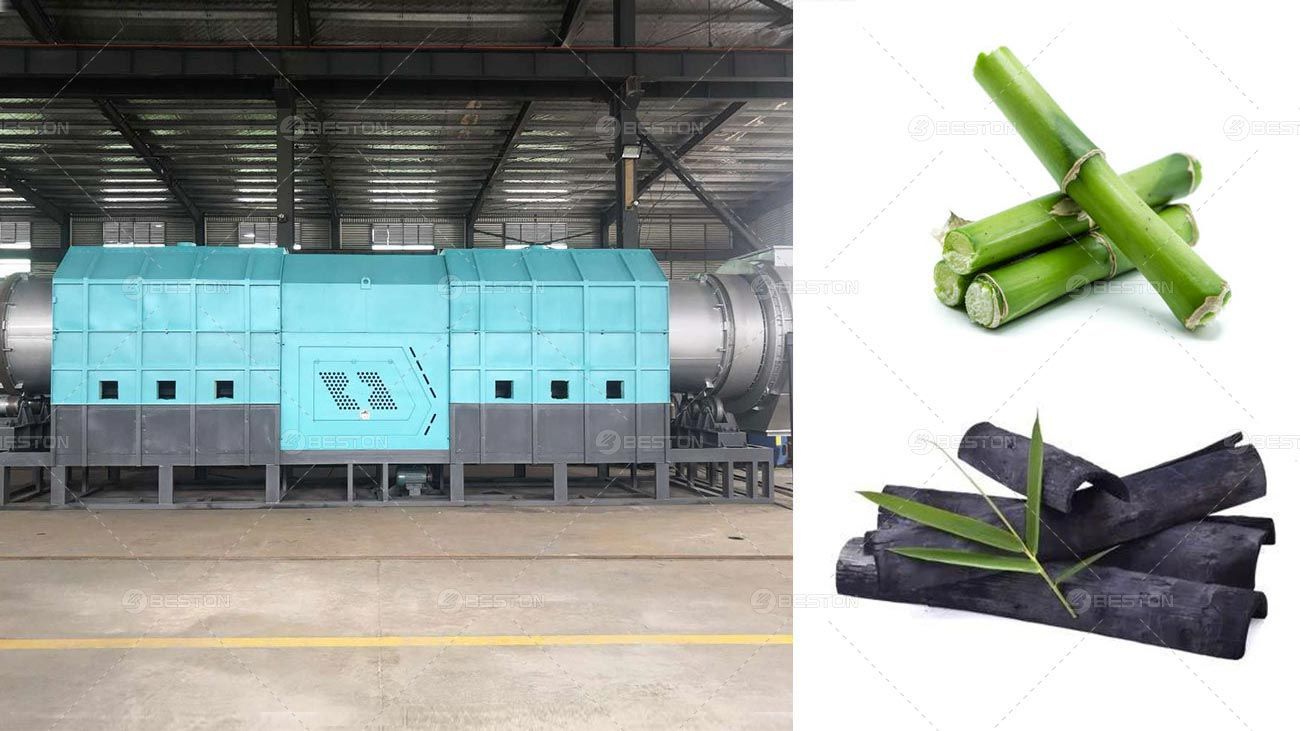
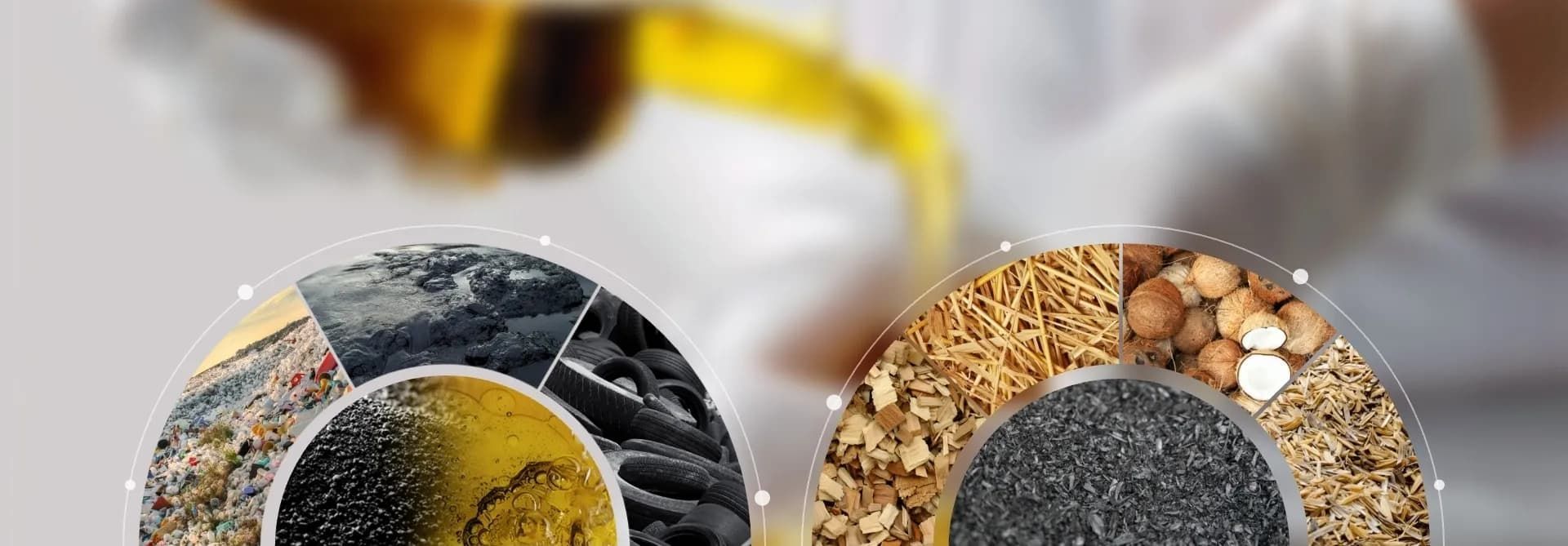
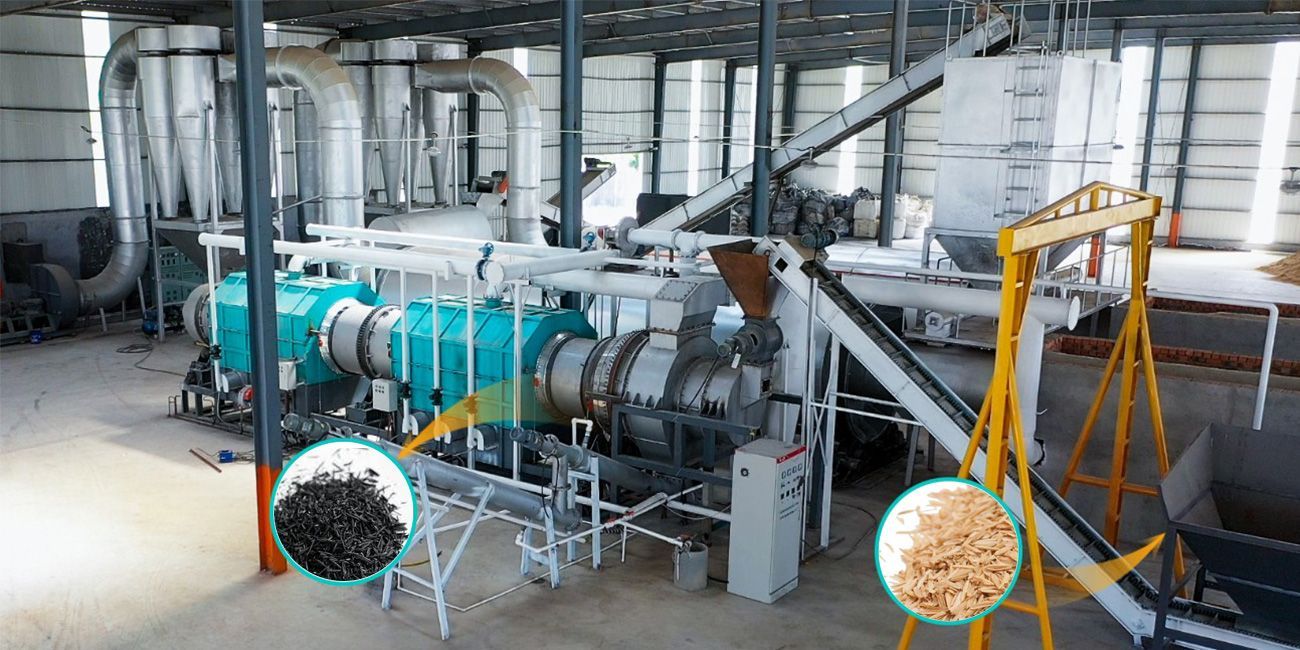
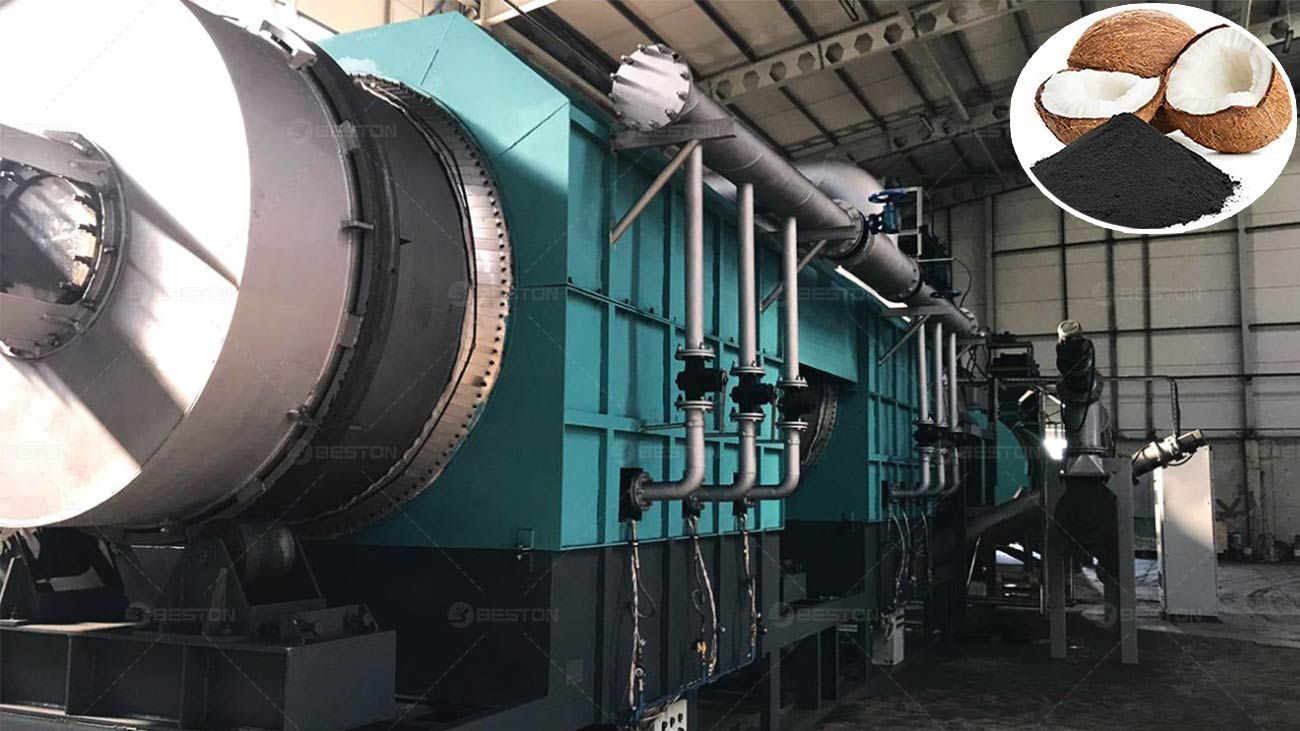
Why Continuous Charcoal Making Equipment Is Becoming the Preferred Choice for Large-Scale Production