Chemical Recycling: What Role Does Pyrolysis Play in the Circular Economy?
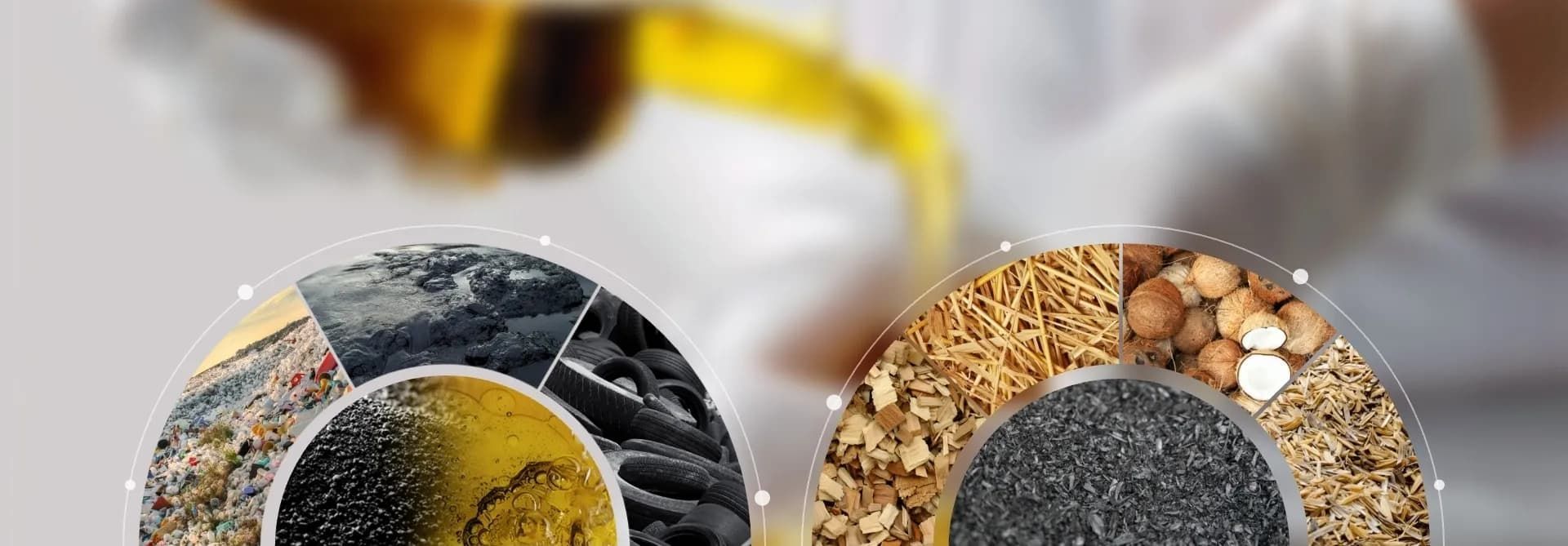
The circular economy aims to reduce waste, keep materials in use for as long as possible, and minimize the consumption of virgin resources. For plastics, achieving these goals can be challenging because many waste streams are difficult to recycle through conventional mechanical methods. Contaminated, mixed, multilayer, or degraded plastics may lose quality after repeated processing. This is where chemical recycling, including pyrolysis, is attracting increasing attention.
Rather than treating plastic waste as something that must simply be discarded or burned, chemical recycling seeks to convert waste polymers into useful raw materials. Among the available technologies, pyrolysis provides a potential pathway for recovering value from certain difficult-to-recycle plastic streams.
What Is Chemical Recycling?
Chemical recycling refers to technologies that transform plastic waste into chemical feedstocks, fuels, monomers, or other useful products. Unlike mechanical recycling, which generally melts and reforms plastic while preserving much of its polymer structure, chemical recycling changes the material at a molecular or chemical level.
Different technologies are suitable for different plastic types. Depolymerization can break certain polymers back into their constituent molecules, while dissolution uses solvents to separate polymers from contaminants. Pyrolysis, meanwhile, uses thermal decomposition in an oxygen-limited environment to convert suitable plastic waste into hydrocarbon-rich products.
The main attraction is that chemical recycling can potentially complement mechanical recycling rather than replace it.
How Does Pyrolysis Support Circularity?
Plastic pyrolysis typically involves heating suitable plastic waste under oxygen-limited conditions. Instead of allowing the material to combust, the heat breaks long polymer chains into smaller hydrocarbon molecules.
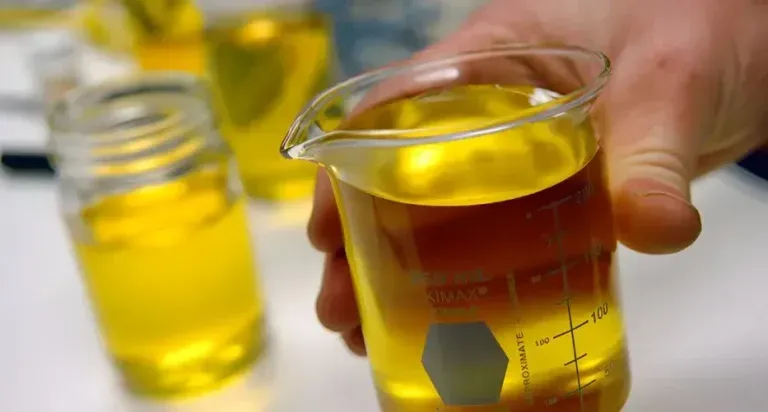
Depending on the feedstock and operating conditions, the process can generate pyrolysis oil, non-condensable gases, and solid residues. The oil can potentially be further refined or upgraded into chemical feedstocks and other hydrocarbon products.
This creates a different approach to waste management. A plastic product that is unsuitable for conventional mechanical recycling may still contain significant chemical value. Pyrolysis can provide a route for recovering part of that value instead of sending the material directly to landfill or energy recovery.
Where Does Pyrolysis Fit in the Circular Economy?
The circular economy is based on the principle of maintaining the value of materials. Ideally, plastics should first be reduced, reused, and mechanically recycled whenever practical. However, not every plastic waste stream can remain in a closed material loop through these methods.
Pyrolysis can occupy a complementary position in this hierarchy.
For example, mixed polyolefin waste containing polyethylene (PE) and polypropylene (PP) can be difficult to separate economically when it is heavily contaminated or composed of complex products. Under appropriate conditions, pyrolysis can convert these polymers into hydrocarbon products that may have further industrial applications.
This means the circular economy does not necessarily require one recycling technology to handle every waste stream. Instead, different technologies can work together to maximize material recovery.
Environmental Benefits and Limitations
One potential environmental benefit of plastic pyrolysis is the diversion of difficult-to-recycle waste from landfill or incineration. Recovering hydrocarbons from waste plastics can also reduce dependence on some virgin fossil-based feedstocks when the resulting products are effectively incorporated into new production systems.
However, pyrolysis is not automatically a zero-carbon or completely sustainable solution. The environmental performance depends heavily on feedstock selection, energy consumption, emissions control, transportation, product upgrading, and the final use of pyrolysis products.
For this reason, modern projects need effective gas cleaning, emission monitoring, heat integration, and responsible waste management. PVC and other chlorine-containing materials also require particular attention because they can create operational and environmental challenges during thermal processing.
The Importance of Integration
The future role of pyrolysis is likely to depend on how well it integrates with the broader recycling system. Mechanical recycling remains highly valuable for clean and easily recyclable plastics. Chemical recycling can then address selected waste streams that are difficult to process mechanically.
Advanced sorting systems can improve feedstock quality, while efficient pyrolysis systems can recover hydrocarbons from appropriate materials. Further refining can potentially convert pyrolysis oil into more consistent feedstocks suitable for downstream chemical applications.
This integrated model is more consistent with circular-economy principles than relying on a single technology.
Looking Ahead
Chemical recycling should not be viewed as a universal replacement for mechanical recycling. Instead, it can serve as another tool for managing complex plastic waste.
Pyrolysis is particularly interesting because it can transform certain hard-to-recycle plastics into recoverable hydrocarbon resources. With better feedstock sorting, energy efficiency, emissions control, and product upgrading, the technology could contribute to reducing waste and supporting more circular material flows. Explore Beston pyrolysis plant to know more about this technology.
Ultimately, the role of pyrolysis in the circular economy will depend not only on the technology itself but also on how responsibly it is operated and how effectively its products are returned to productive use. When combined with waste reduction, reuse, mechanical recycling, and improved product design, chemical recycling can become part of a broader strategy for moving plastics from a linear “make-use-dispose” model toward a more resource-efficient circular system.

Why Continuous Charcoal Making Equipment Is Becoming the Preferred Choice for Large-Scale Production