Bamboo Charcoal Machine: Turning Fast-Growing Biomass into Stable Carbon
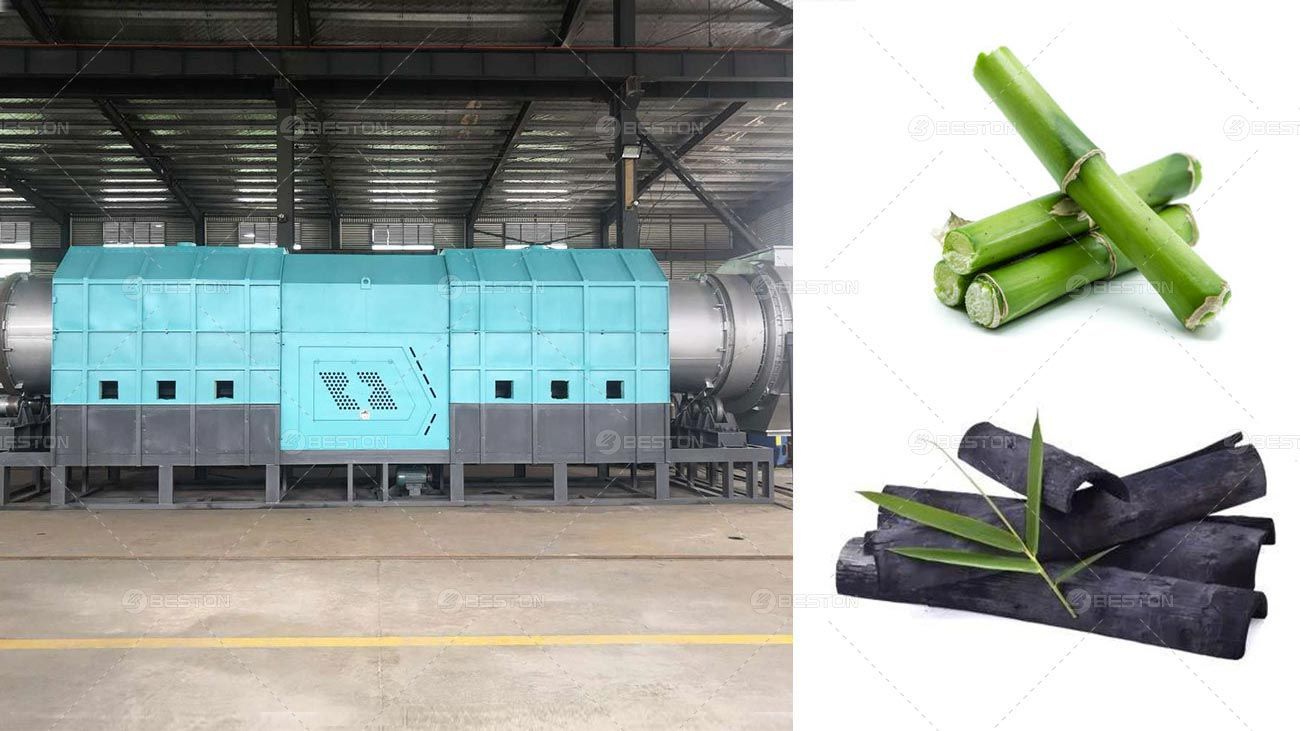
Bamboo is one of the fastest-growing biomass resources in the world. It can regenerate quickly, requires relatively limited agricultural inputs, and produces large quantities of stems, branches, leaves, and processing residues. However, when bamboo waste is simply burned, dumped, or left to decompose, much of its potential value is lost.
Pyrolysis provides a different pathway. By heating bamboo under controlled oxygen-limited conditions, organic components can be converted into stable carbon-rich material known as bamboo charcoal. With the right **bamboo charcoal machine**, this process can transform bamboo residues from a low-value waste stream into a useful carbon product while also recovering combustible gases and other by-products.
Why Is Bamboo Suitable for Charcoal Production?
Bamboo contains a high proportion of carbon-rich organic matter and has a relatively dense fibrous structure. These characteristics make it suitable for thermal conversion.
During pyrolysis, bamboo is heated in an oxygen-limited environment. Instead of undergoing complete combustion, the biomass gradually decomposes into several fractions:
- Solid bamboo charcoal
- Pyrolysis gas
- Condensable vapors and organic liquids, depending on the process configuration
The solid fraction is the main product in charcoal-focused applications. Its carbon-rich structure gives it potential uses in fuel, activated carbon production, soil-related applications, industrial materials, and other value-added products.
For bamboo-processing businesses, this creates an opportunity to integrate waste management with resource recovery.
How Does a Bamboo Charcoal Machine Work?
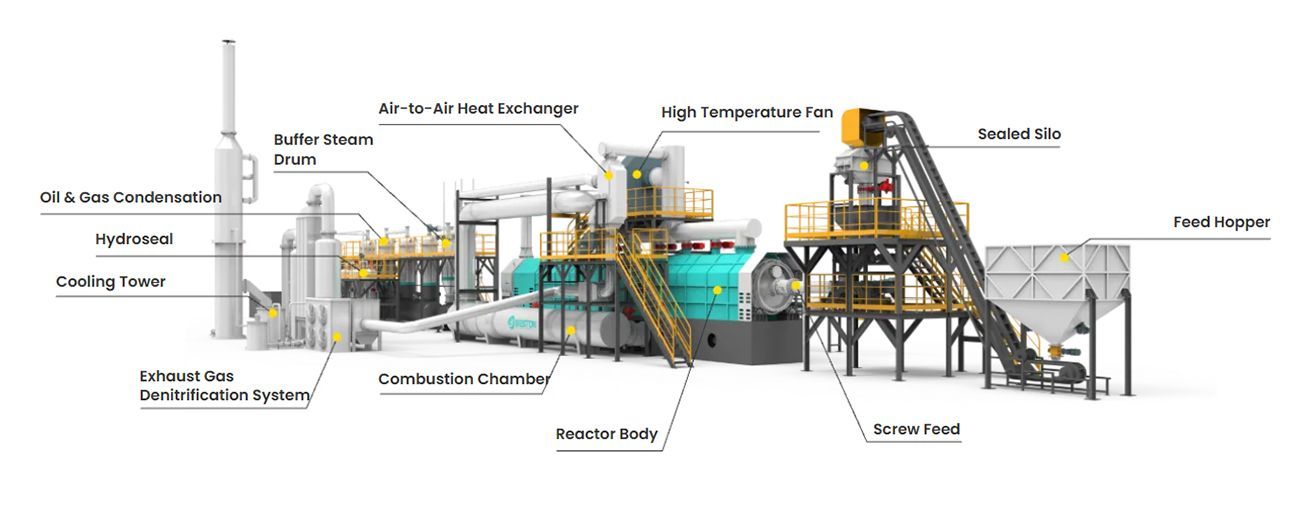
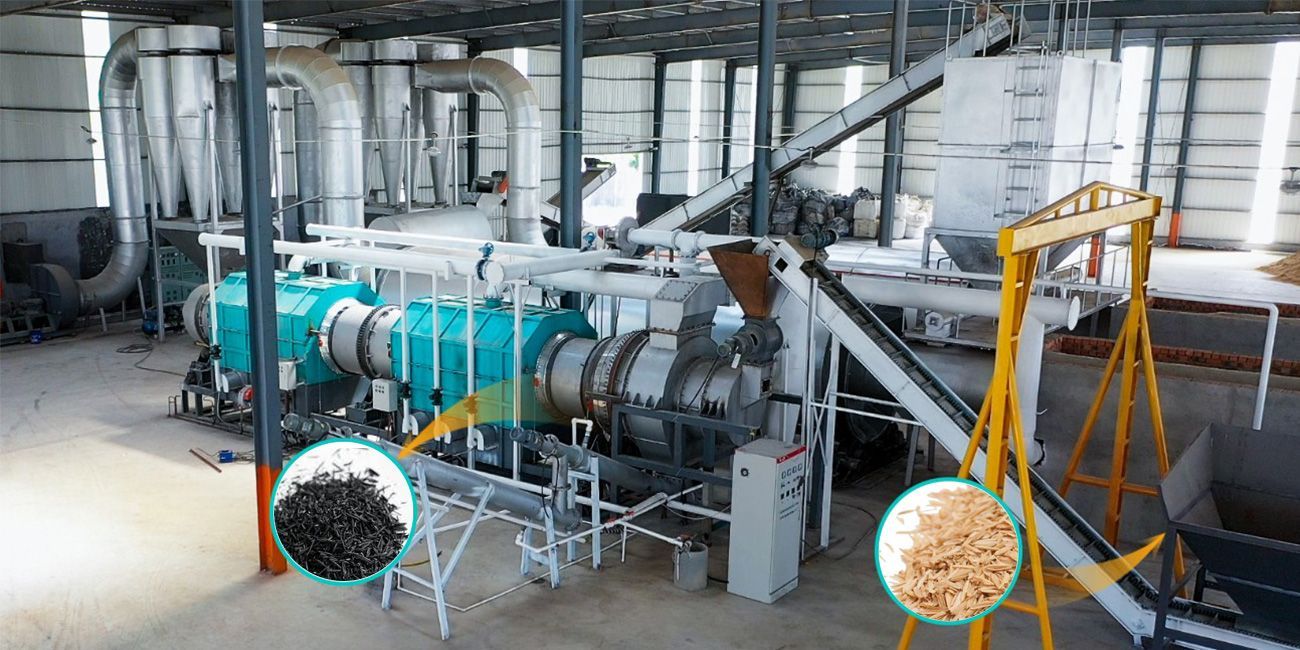
A modern bamboo charcoal machine is designed to provide controlled heating, oxygen management, gas collection, and continuous or batch discharge of charcoal.
The process generally starts with feedstock preparation. Bamboo may need to be cut, crushed, or dried to achieve a suitable particle size and moisture level. Consistent feedstock conditions help improve heat transfer and process stability.
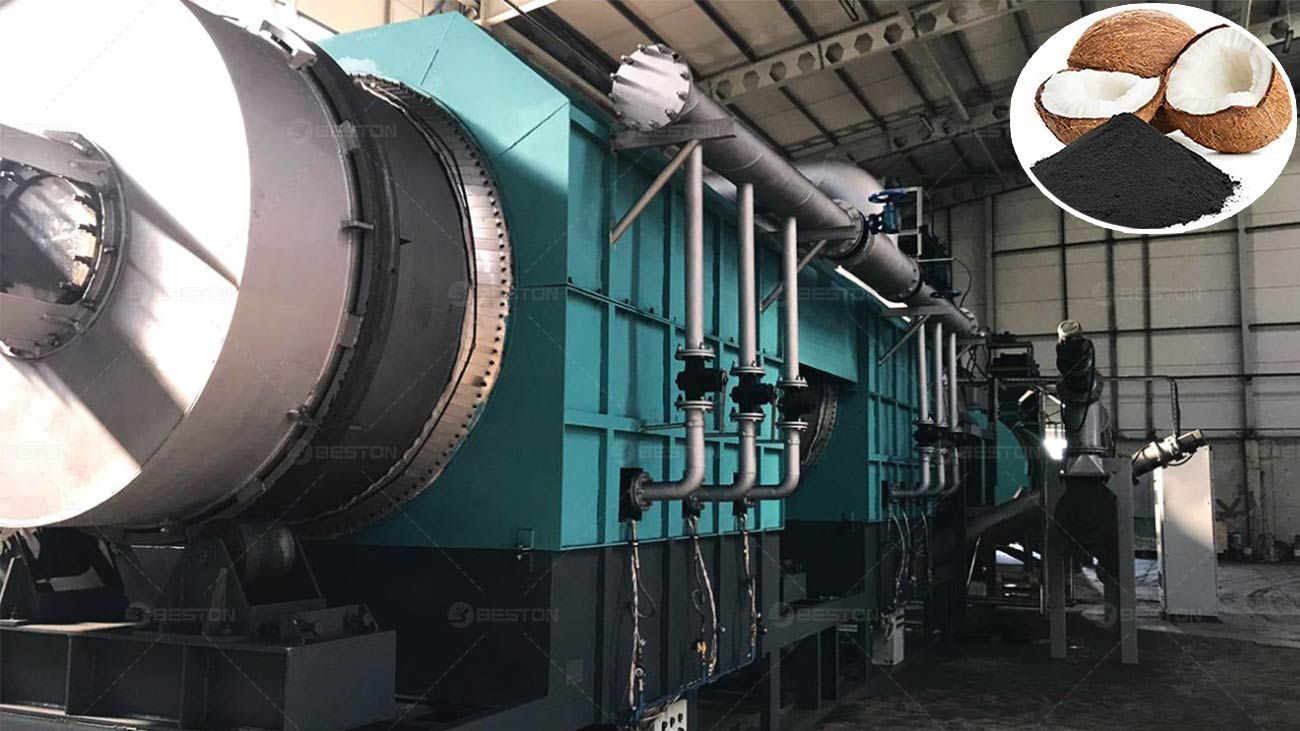
The prepared bamboo then enters the pyrolysis reactor. As the temperature rises, moisture evaporates first, followed by the thermal decomposition of organic compounds. The reactor's oxygen-limited environment prevents the material from simply burning into ash.
The gases generated during pyrolysis can also be collected and directed to the heating system. After ignition, these combustible gases can provide part of the thermal energy required to maintain the reactor temperature. This internal energy recovery can reduce dependence on external fuel once the system reaches stable operation.
After pyrolysis, the hot charcoal needs to be cooled under controlled conditions before exposure to air. Proper cooling is important because freshly produced charcoal can remain highly reactive at elevated temperatures.
From Bamboo Waste to a More Stable Carbon Product
One of the most important differences between raw bamboo and bamboo charcoal is carbon stability.
Raw biomass naturally decomposes over time through biological processes. Pyrolysis changes the chemical structure of the biomass and produces a carbon-rich solid that is generally more resistant to decomposition.
This makes bamboo charcoal attractive for applications where a stable carbon material is required. For example, it can serve as a solid fuel or as a feedstock for further processing. When appropriately processed and characterized, bamboo-derived biochar can also be considered for agricultural and carbon-management applications.
However, the final properties depend heavily on feedstock characteristics and pyrolysis conditions. Temperature, residence time, moisture content, reactor design, and cooling conditions can all influence the resulting charcoal.
What Makes Equipment Design Important?
Not every charcoal production system performs the same way. For commercial bamboo processing, equipment design can directly affect production consistency and operating costs.
Important considerations include:
- Temperature control: Stable and adjustable temperatures help operators control the degree of carbonization.
- Feedstock adaptability: Bamboo comes in different forms, including whole stems, chips, sawdust, and processing residues. The equipment should match the actual feedstock.
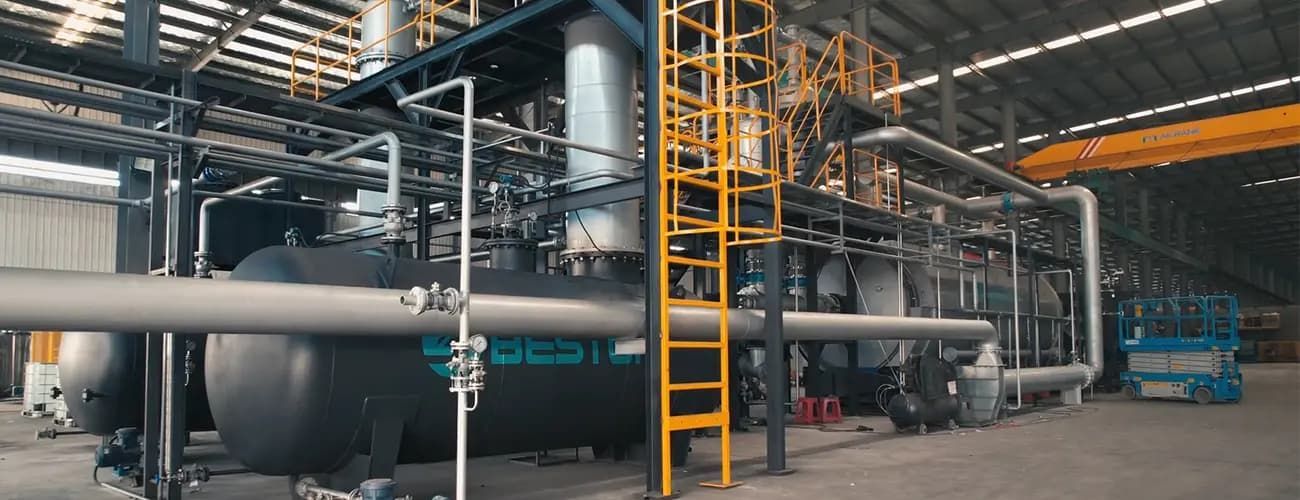
- Gas utilization: Recovering and recycling combustible pyrolysis gas can improve overall energy efficiency.
- Cooling system: Controlled charcoal cooling reduces oxidation and improves product handling.
- Emission management: Combustion and gas-cleaning systems help manage the emissions generated during operation.
- Automation: Sensors and control systems can help monitor temperature, pressure, feeding, and other critical operating parameters.
Creating More Value from Bamboo Resources
For bamboo-growing regions and bamboo-processing industries, charcoal production can become part of a broader biomass utilization strategy. Instead of treating branches, offcuts, and processing residues as waste, businesses can convert them into a carbon-rich product with multiple potential applications.
A properly designed bamboo charcoal machine therefore does more than produce charcoal. It provides a thermal conversion platform that can connect biomass waste management, energy recovery, and carbon utilization.
As demand for renewable carbon materials and more efficient biomass utilization continues to develop, bamboo offers an interesting feedstock because of its rapid growth and widespread availability. The key is matching the right pyrolysis technology with the characteristics of the local bamboo resource and the intended end use of the charcoal.
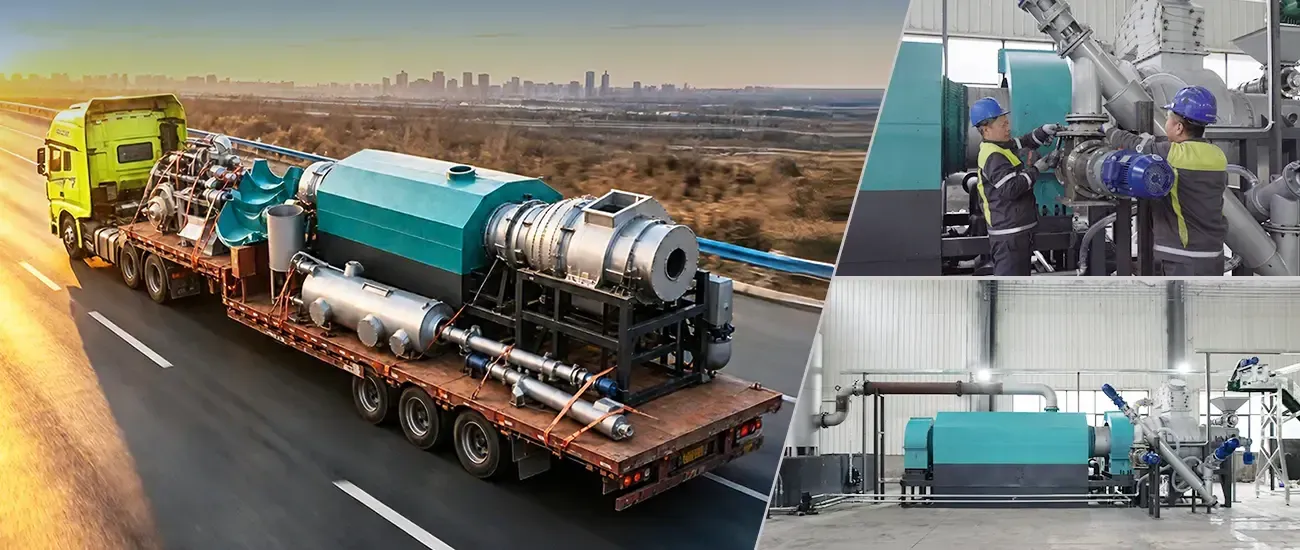


Why Continuous Charcoal Making Equipment Is Becoming the Preferred Choice for Large-Scale Production