Why Continuous Charcoal Making Equipment Is Becoming the Preferred Choice for Large-Scale Production
Why Continuous Charcoal Making Equipment Is Becoming the Preferred Choice for Large-Scale Production
As demand for charcoal, biomass fuel, and carbon-based products continues to grow, manufacturers are looking for production systems that can operate efficiently for longer periods with less manual intervention. Traditional batch carbonization can be suitable for small-scale production, but it often requires repeated loading, heating, cooling, unloading, and restarting.
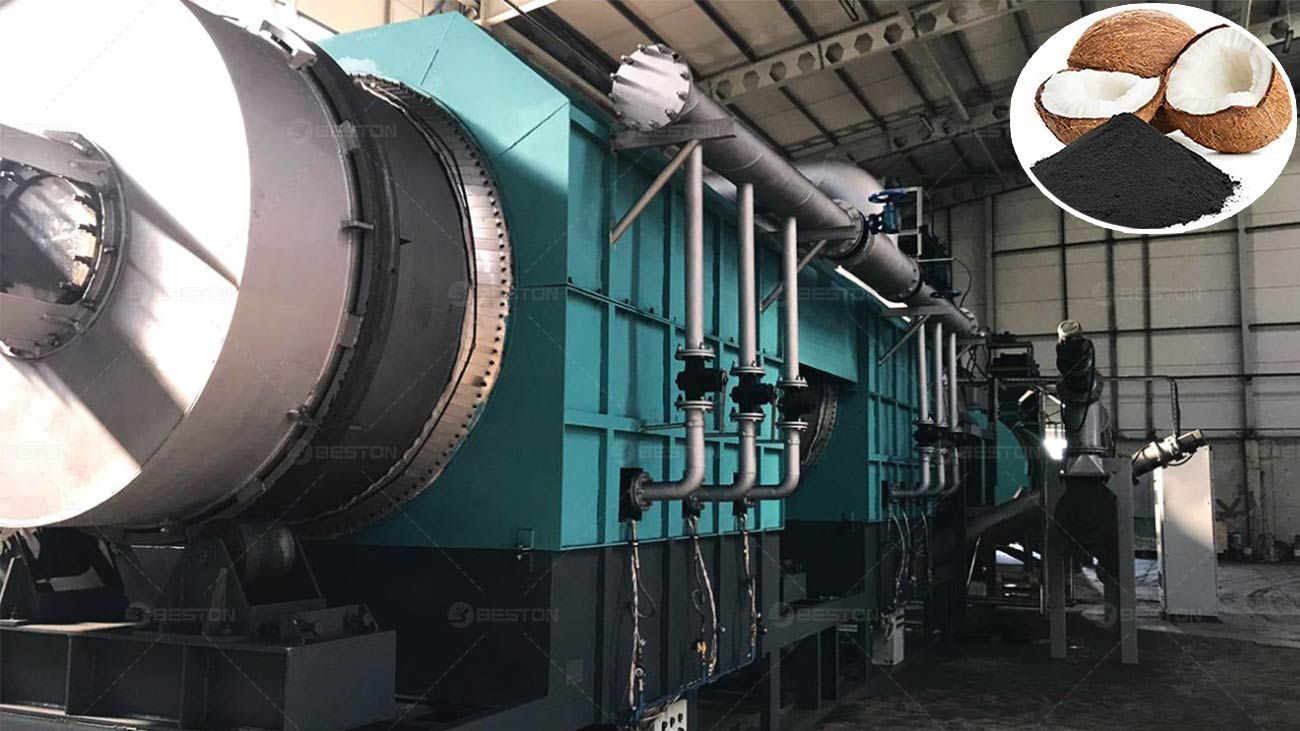
For commercial and industrial projects, continuous charcoal making equipment offers a different approach. By maintaining a steady feedstock flow and continuously discharging finished charcoal, the system can improve production continuity, energy utilization, and operational efficiency.
What Does Continuous Charcoal Production Mean?
Continuous charcoal production means that biomass is continuously fed into a carbonization system rather than processed in separate batches.
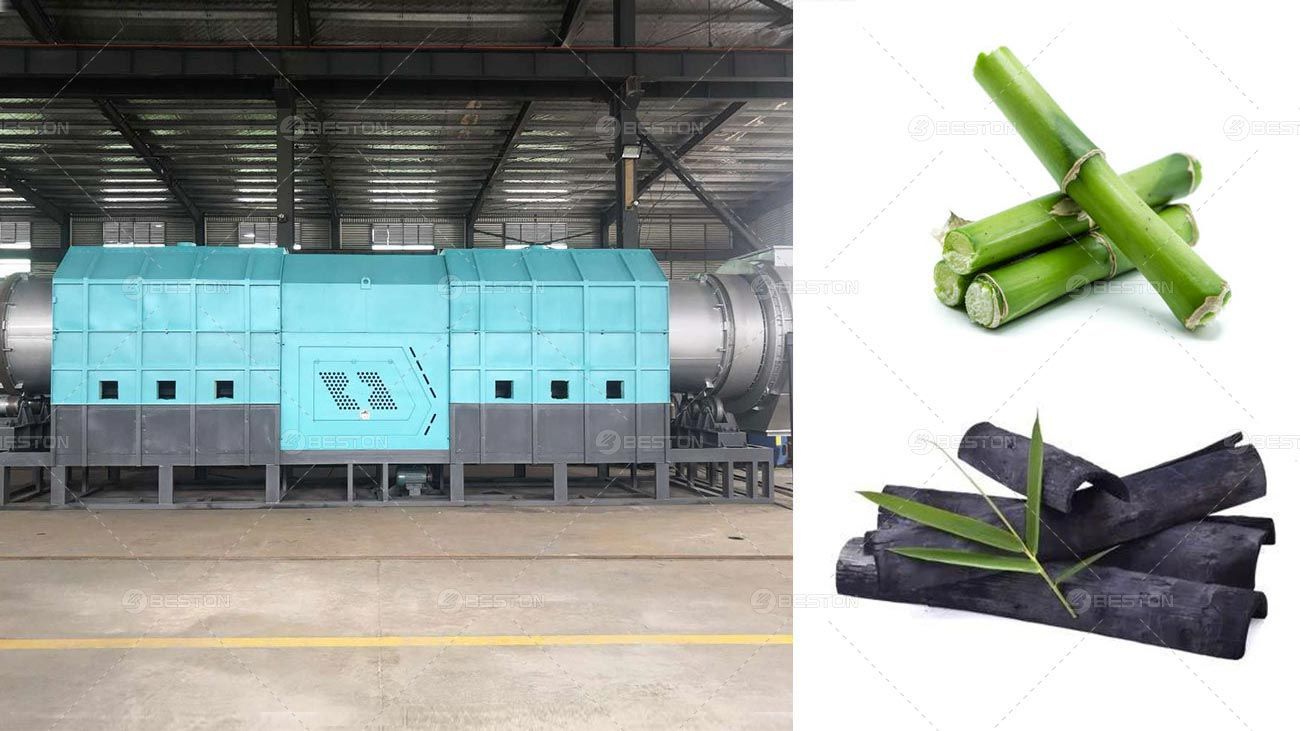
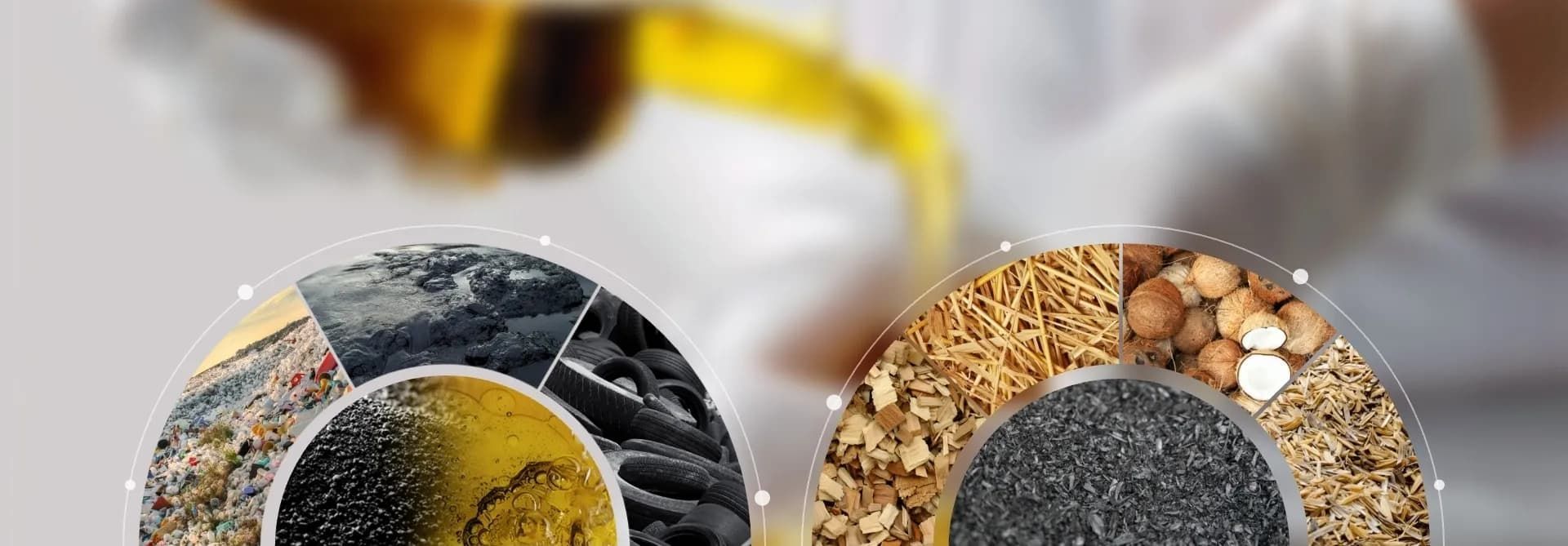
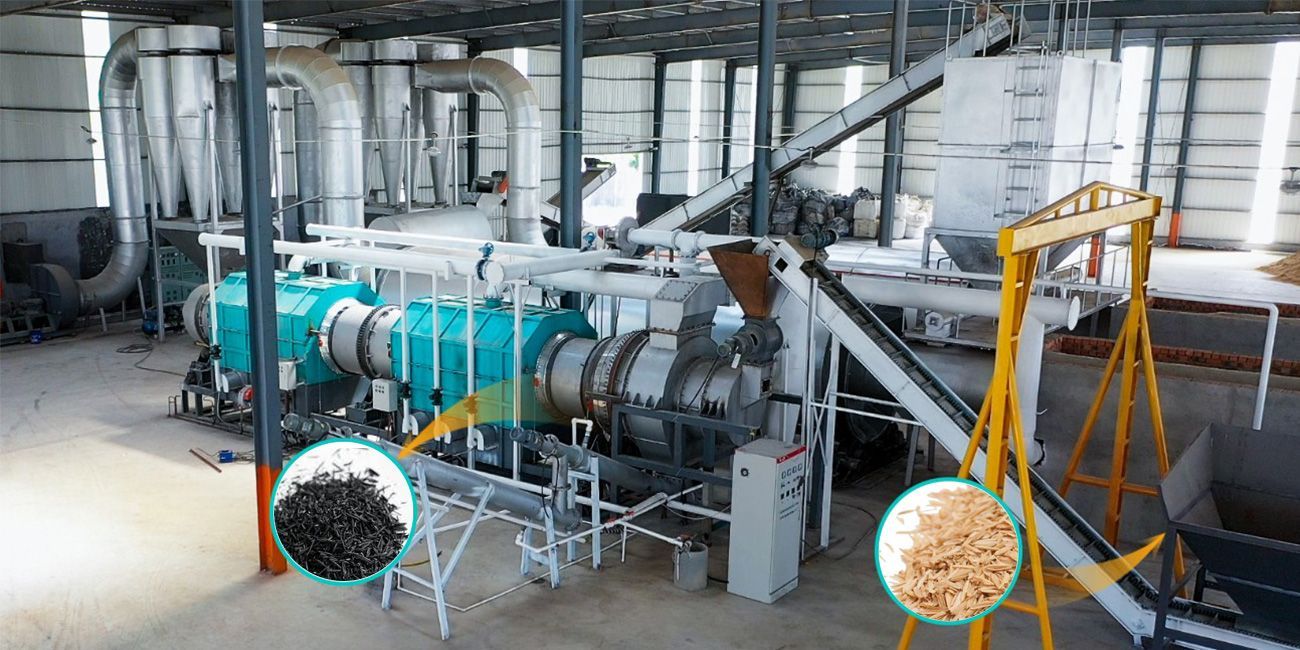
Depending on the equipment design, raw materials such as sawdust, wood chips, branches, bamboo, rice husks, palm shells, and other suitable biomass materials can enter the carbonization chamber through a controlled feeding system. As the material moves through the reactor, it is gradually heated in an oxygen-limited environment.
The biomass decomposes into solid charcoal, combustible gases, and volatile compounds. After carbonization, the charcoal is continuously discharged and can then be cooled, screened, crushed, or processed into briquettes according to the final application.
This creates a more stable production cycle compared with repeatedly starting and stopping a batch furnace.
Stable Feeding Supports Consistent Carbonization
One of the biggest advantages of continuous equipment is controlled feeding.
In a properly designed system, the feedstock enters the reactor at a relatively stable rate. This helps maintain more consistent residence time and temperature conditions inside the carbonization zone.
Stable operating conditions are important because biomass properties can vary. Moisture content, particle size, density, and chemical composition can all influence carbonization behavior.
Therefore, an industrial system should not rely only on high heating temperatures. It should also provide accurate temperature monitoring, controlled material movement, and suitable residence-time management.
Continuous Operation Can Reduce Labor Requirements
Batch charcoal production can involve significant manual work. Workers may need to load raw materials, monitor individual batches, remove charcoal, and prepare the furnace for the next cycle.
Continuous charcoal making equipment can automate many of these steps.
Automatic feeding systems can deliver biomass into the reactor, while mechanical discharge systems continuously remove carbonized material. Temperature sensors and control systems can also help operators monitor important operating parameters.
As a result, fewer repetitive manual operations may be required, allowing workers to focus more on system monitoring, maintenance, and quality control.
Energy Recycling Is Another Key Advantage
Modern continuous carbonization systems can also make use of the combustible gases generated during biomass pyrolysis.
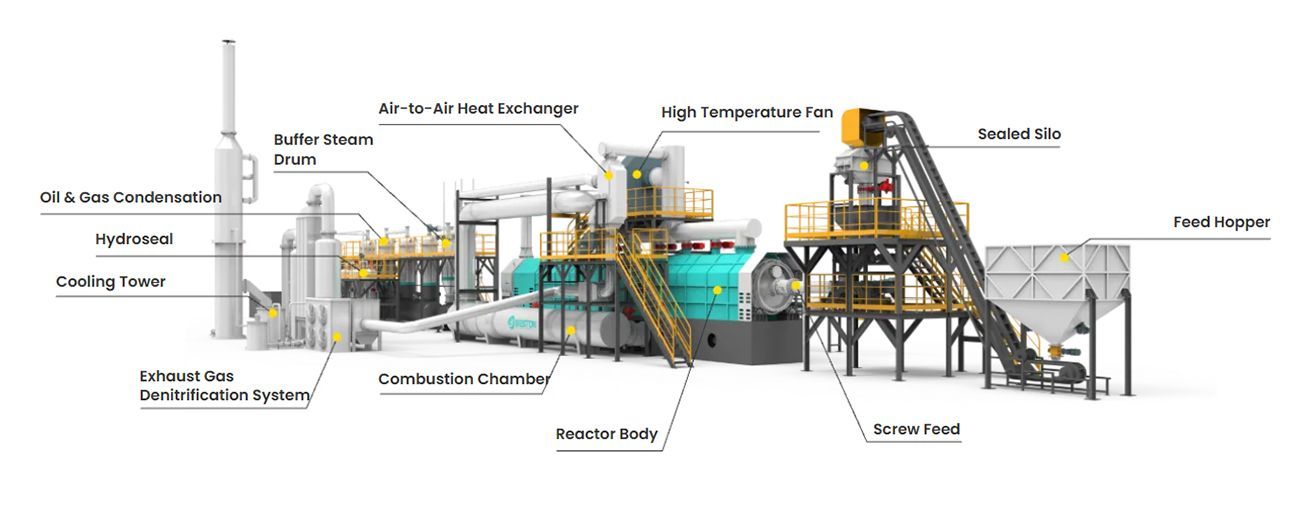
Instead of simply releasing these gases, the system can guide them toward a combustion chamber where they are burned to generate heat for the carbonization process.
Once the system reaches stable operating conditions, part of the required thermal energy can therefore come from the biomass itself.
This internal energy recycling can help reduce dependence on external fuel and improve overall energy efficiency. Actual fuel consumption, however, depends on feedstock moisture, equipment design, production capacity, and operating conditions.
Better Adaptation to Large-Scale Production
Continuous operation becomes particularly valuable when the project requires a substantial and consistent daily output.
For example, a biomass processing company may have a stable supply of agricultural residues and need to convert them into charcoal continuously. Stopping production after every batch can create unnecessary downtime and increase labor requirements.
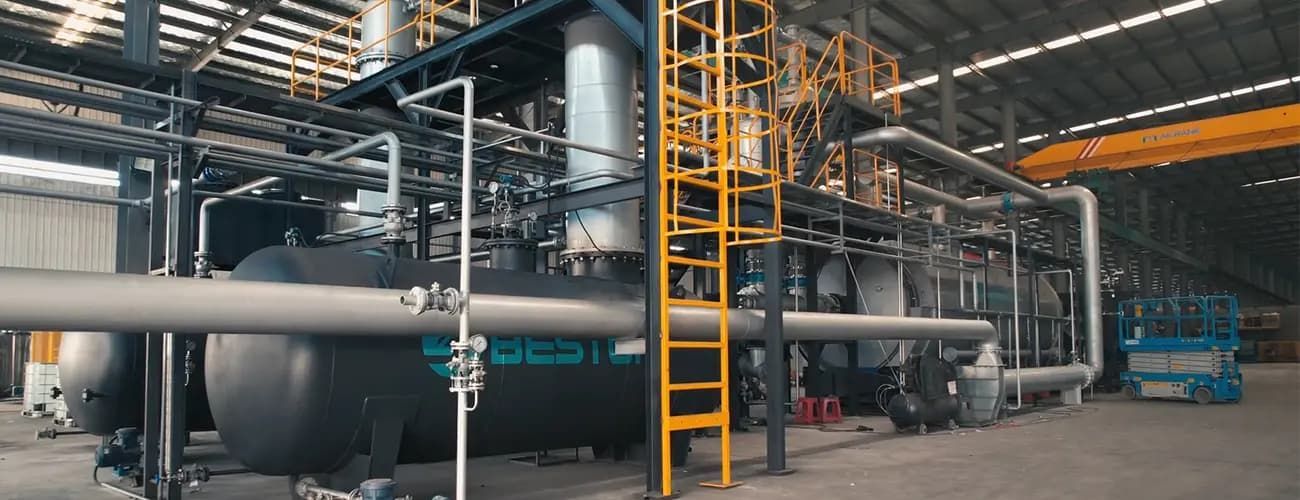
A continuous production line can better match the rhythm of industrial feedstock handling. Raw material preparation, carbonization, cooling, screening, and packaging can also be integrated into a more complete production system.
This makes continuous technology especially attractive for businesses that are moving from small-scale charcoal production toward commercial production.
Feedstock Preparation Still Matters
Continuous equipment does not eliminate the need for proper feedstock preparation.
Biomass should generally be prepared according to the reactor's requirements. Excessive moisture can increase energy consumption and reduce carbonization efficiency, while oversized or inconsistent particles can affect material movement and residence time.
Therefore, a complete project may include drying, crushing, screening, feeding, carbonization, cooling, and finished-charcoal handling systems.
Selecting equipment based on the actual characteristics of the feedstock is more important than simply choosing a machine based on its advertised capacity.
Conclusion
The transition from batch production to continuous carbonization represents an important step toward industrial-scale charcoal manufacturing.
By providing continuous feeding, controlled carbonization, automated discharge, combustible-gas recycling, and better integration with downstream equipment, modern charcoal making equipment can help businesses build a more stable and efficient production process.
For investors, the most important consideration is not simply how much charcoal a machine can produce per day. Feedstock availability, moisture content, desired charcoal quality, energy consumption, automation level, maintenance requirements, and the complete production workflow should all be evaluated together.
When these factors are properly matched, continuous charcoal production can provide a practical foundation for turning abundant biomass residues into a consistent commercial product.