Can Charcoal Made from Coconut Shells be Turned into Activated Charcoal?
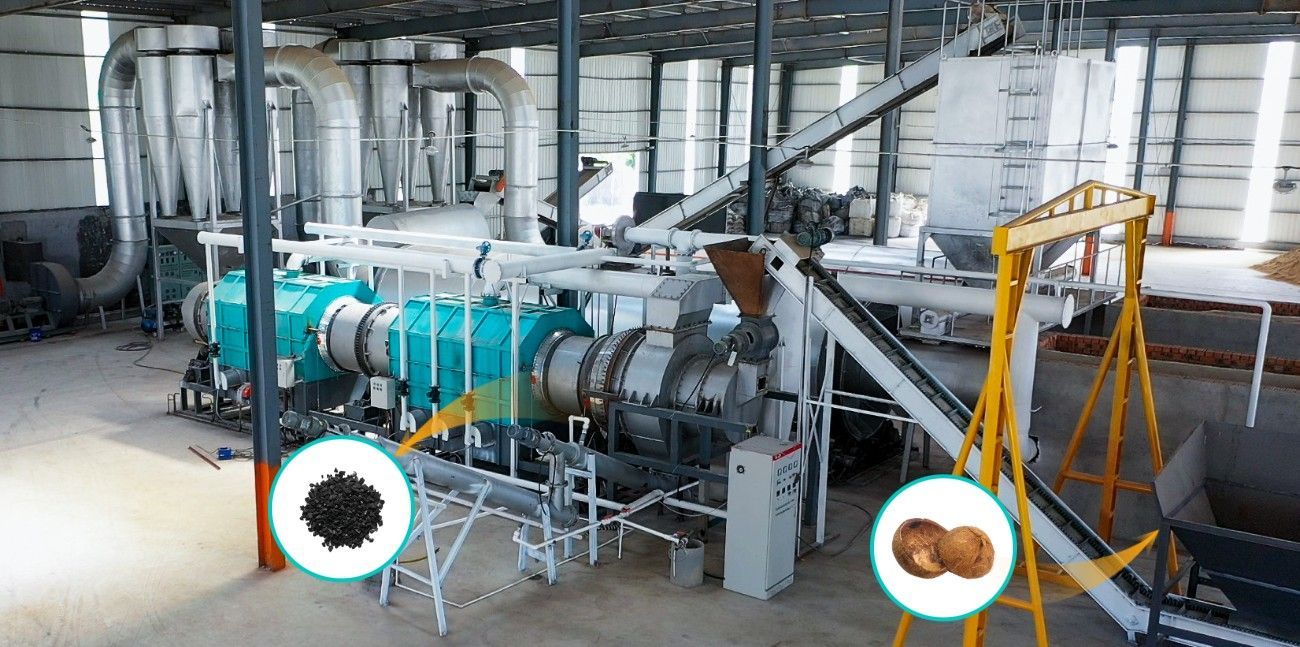
When it comes to producing high-quality activated carbon, one of the best raw materials is coconut shell charcoal. Coconut shells are abundant, sustainable, and incredibly effective when it comes to creating this highly versatile material.
Why Coconut Shell Charcoal?
Coconut shells have a dense structure and high carbon content, which makes them ideal for the production of charcoal. When heated in the absence of oxygen (a process known as pyrolysis), coconut shells undergo carbonization, creating what we refer to as "charcoal."
But not all charcoal is created equal. While coconut shell charcoal is great as a base, it requires further processing to become activated carbon, which is used in a wide variety of applications such as water purification, air filtration, and even in medical treatments.
The Transformation: From Charcoal to Activated Carbon
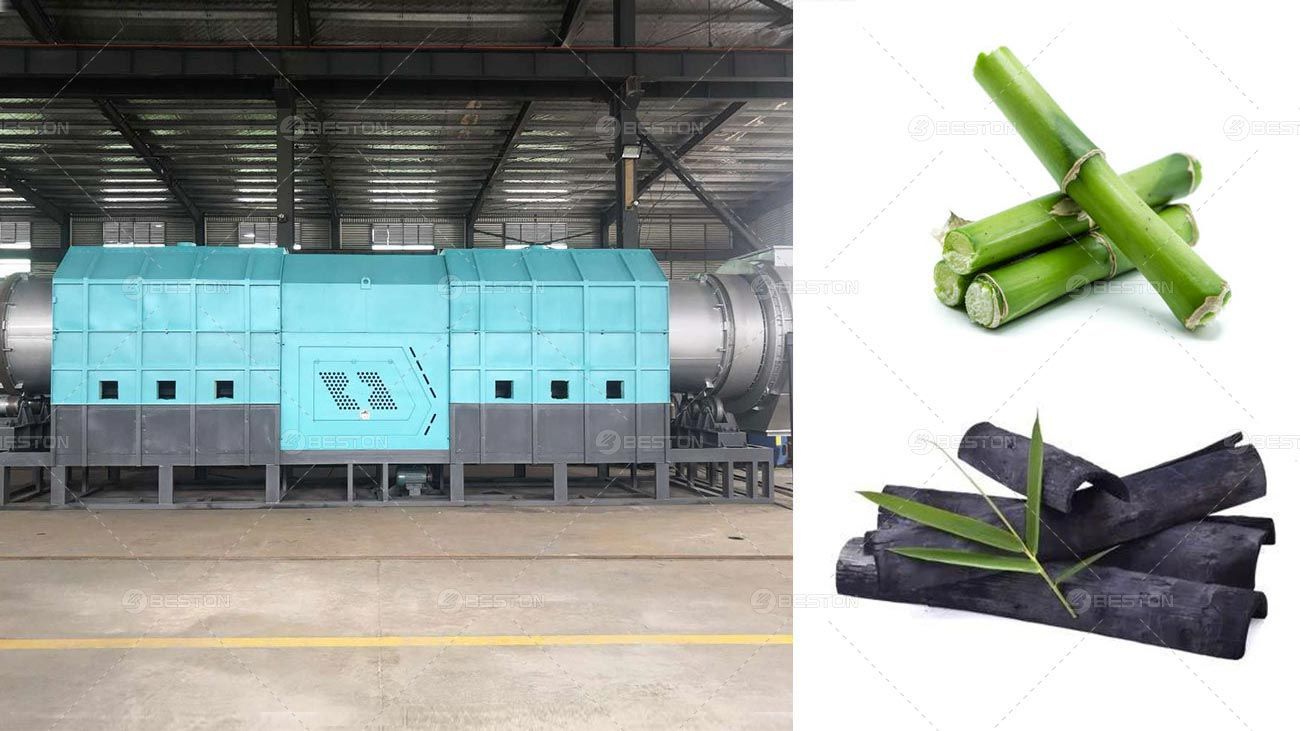
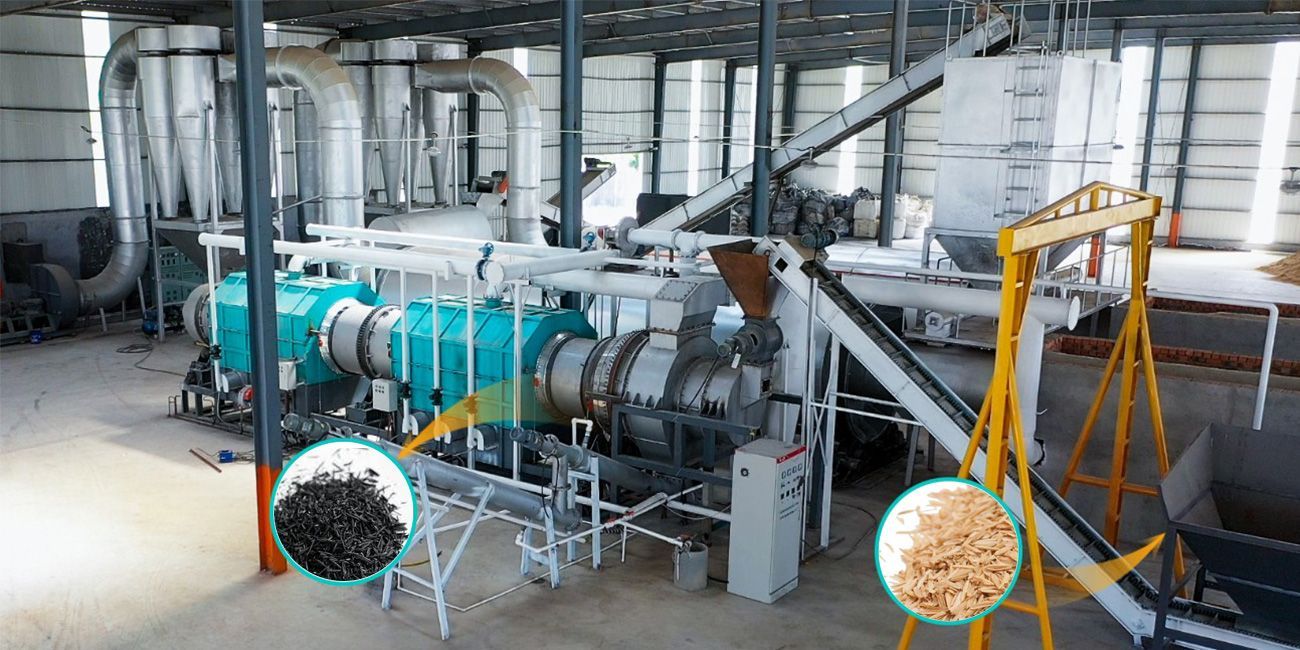
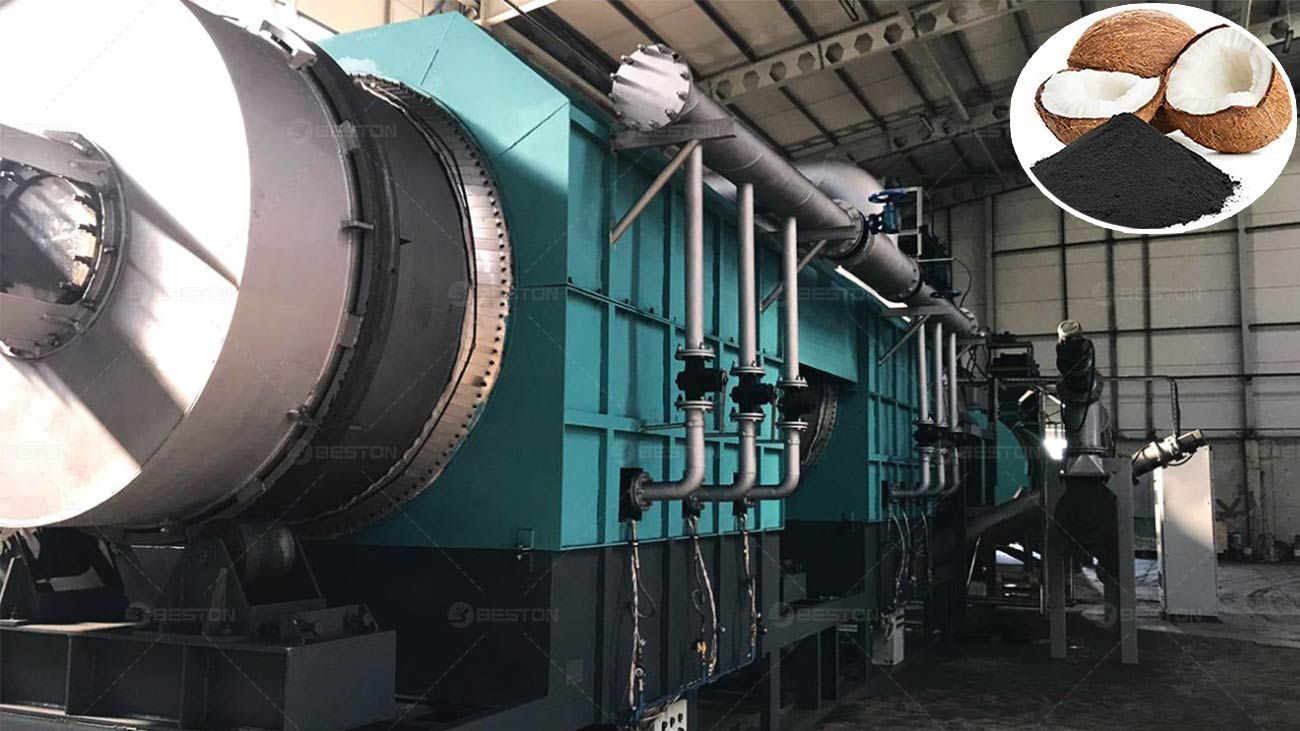
The first step is the creation of "raw charcoal" or "charcoal" using charcoal making equipment. These machines are specifically designed to heat organic materials like coconut shells to high temperatures, typically around 400–700°C, in the absence of oxygen. This carbonizes the material, producing charcoal that has the basic characteristics needed for activation.
However, raw charcoal is not yet "activated." To transform this raw charcoal into activated carbon, an additional step is required: activation. Activation is a process that opens up the pores in the charcoal, increasing its surface area and making it highly adsorbent. This is typically achieved by subjecting the charcoal to high temperatures (around 900–1000°C) in an activation furnace with steam or chemicals like phosphoric acid.
The Importance of Charcoal Making Equipment
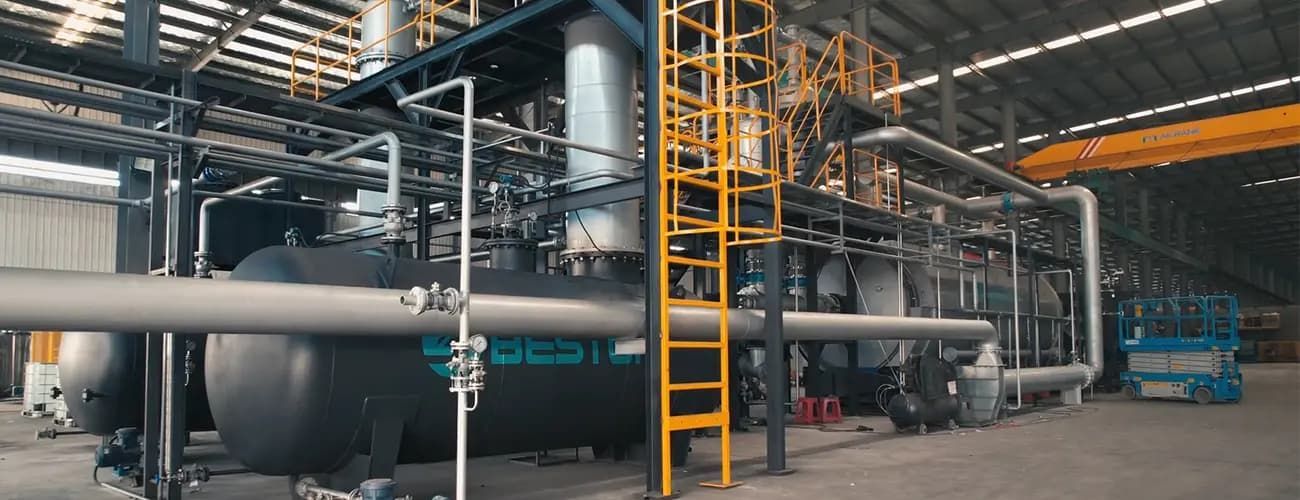
To begin the production of coconut shell charcoal, proper charcoal making equipment is essential. These machines ensure efficient pyrolysis, high yield, and consistency in the quality of the final product. Once the charcoal is produced, an activation furnace is required to complete the process of turning raw charcoal into activated carbon.
High-quality charcoal making equipment typically includes features that ensure control over temperature, humidity, and time—critical elements in achieving the optimal characteristics for activated carbon.
In conclusion, while coconut shell charcoal serves as an excellent foundation for activated carbon, the equipment used during the charcoal production and activation stages plays a key role in determining the quality of the final activated carbon product.
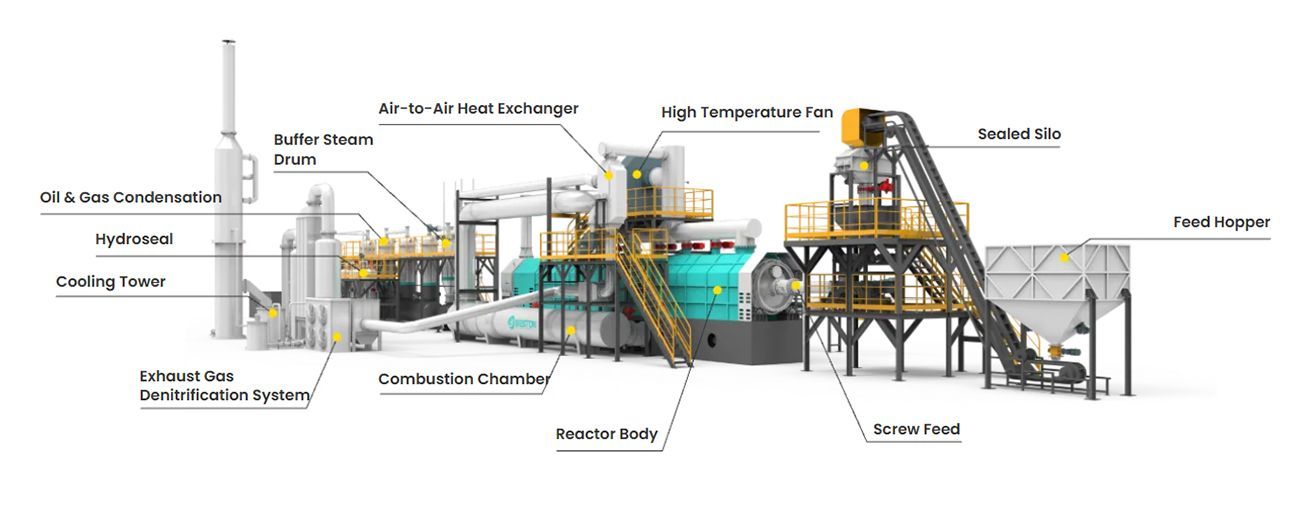
Why Continuous Charcoal Making Equipment Is Becoming the Preferred Choice for Large-Scale Production