Investment Advice for Plastic Pyrolysis Projects
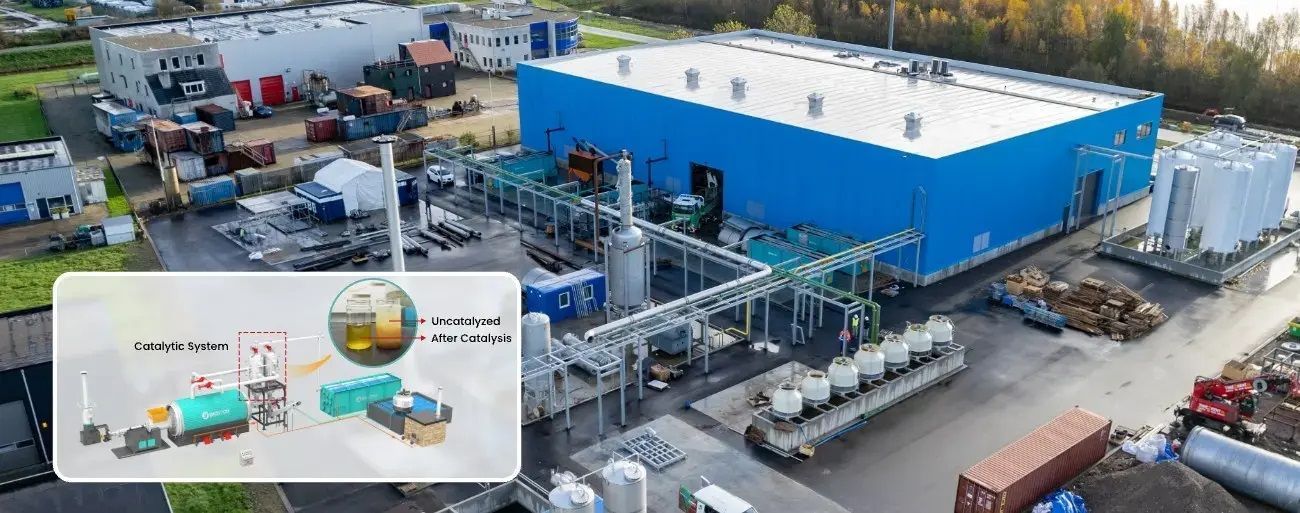
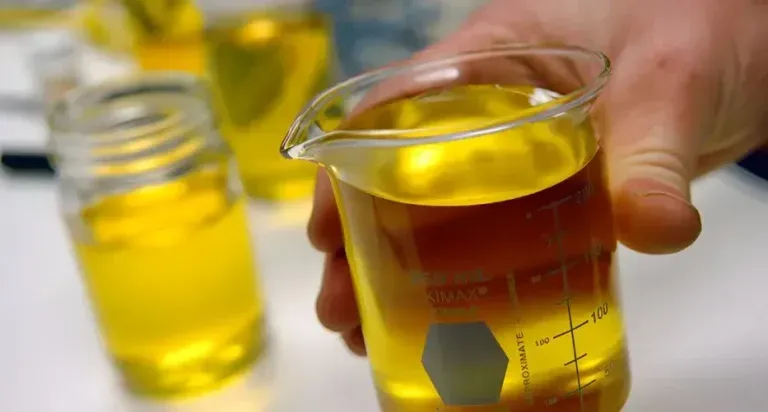
As global plastic pollution becomes an increasingly pressing issue, plastic pyrolysis technology has emerged as a promising solution for recycling plastic waste. If you're planning to start a Plastic Oil Plant project, here are some key investment recommendations to ensure efficiency and profitability.
1. Raw Material Selection: Prioritize PE and PP
The choice of raw materials is critical to the success of the pyrolysis process. PE (Polyethylene) and PP (Polypropylene) are the most common and efficient types of plastics for pyrolysis. Compared to other plastics, PE and PP offer higher oil yields and better catalytic performance. Focusing on these two plastics will ensure higher oil production rates and a better return on investment.
2. Catalyst Selection: Go Custom, Not Generic
Many investors opt for generic catalysts in the plastic pyrolysis process. However, a one-size-fits-all catalyst may not be the best solution, especially when raw materials differ in composition. It is recommended to conduct small-scale trials to customize the molecular sieve ratio according to your raw materials. Tailored catalysts not only improve oil yields but also enhance oil quality and reduce operational costs.
3. Compliance and Environmental Regulations
Before launching a plastic pyrolysis project, ensure that your operations comply with local environmental regulations and policies. Plastic pyrolysis can release harmful gases, so it's essential to install proper emissions treatment and gas purification systems. Choosing compliant equipment and adhering to environmental standards will help you avoid legal risks and build a responsible business image, which can attract more partners and customers.
4. Equipment Selection: Invest in Quality Plastic Pyrolysis Equipment
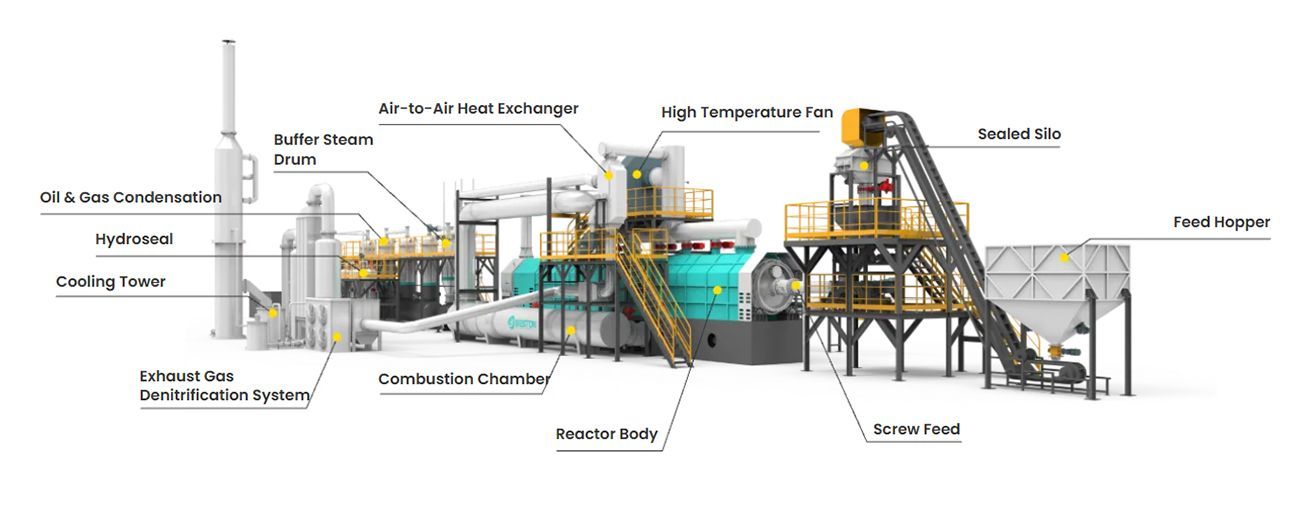
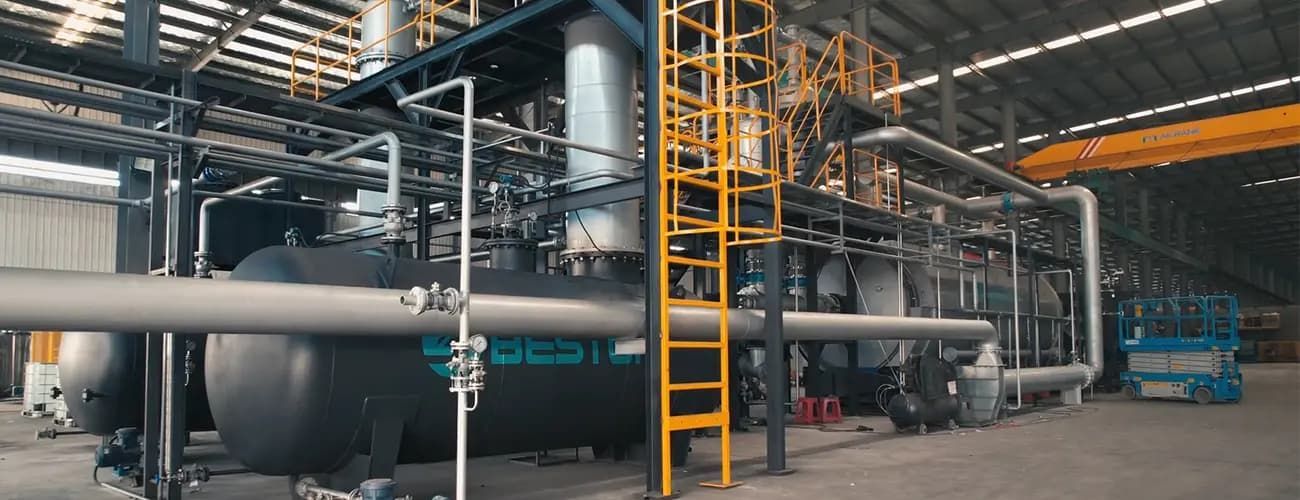
Plastic pyrolysis equipment is the heart of any plastic pyrolysis project. Selecting high-quality, efficient, and durable equipment is crucial for the success of the project. Modern pyrolysis equipment typically comes with advanced control systems and reactors that significantly improve pyrolysis efficiency while reducing energy consumption. When purchasing, prioritize energy-efficient, low-emission, and long-lasting equipment to ensure consistent and reliable production.
5. Production Process and Technological Advancements
Plastic pyrolysis technology continues to evolve. Many leading companies now utilize more efficient production processes. For instance, employing batch pyrolysis reactors or continuous pyrolysis technologies can achieve higher oil yields in shorter periods. Additionally, some advanced pyrolysis techniques allow for the processing of a broader range of plastic types, expanding raw material sources and further reducing costs.
6. Market Potential and Return on Investment
With the global shift towards sustainability and the circular economy, the market for pyrolysis oil is rapidly growing. Plastic pyrolysis oil can be used as a replacement for petroleum-based fuels or as a chemical feedstock for further processing. When conducting market research and ROI evaluations, investors should pay attention to the demand for pyrolysis oil, price fluctuations, and potential collaboration opportunities.
Conclusion
Starting a plastic pyrolysis project not only helps tackle the growing plastic waste problem but also offers substantial economic returns. By optimizing raw material selection, customizing catalysts, and investing in high-quality equipment, you can set up a successful venture. Choosing reliable plastic pyrolysis equipment and employing advanced production processes will lay a solid foundation for your project’s success.

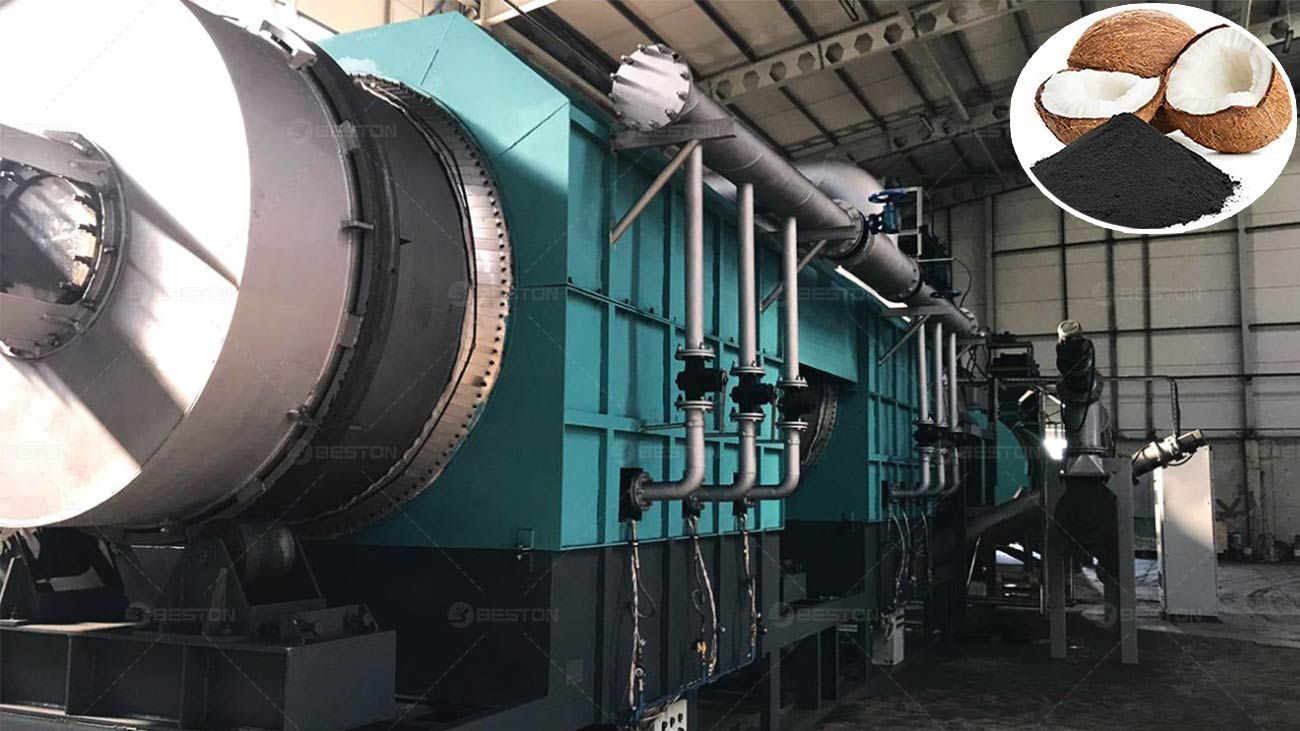
Why Continuous Charcoal Making Equipment Is Becoming the Preferred Choice for Large-Scale Production