
Can Plastic Pyrolysis Oil Be Further Processed Into Naphtha & Diesel Fraction?
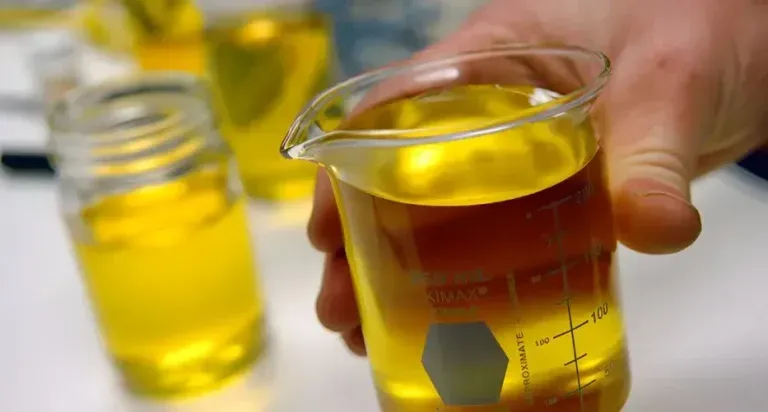
Plastic pyrolysis is increasingly being considered as a way to convert difficult-to-recycle plastic waste into valuable hydrocarbon products. However, the pyrolysis oil produced by a plastic pyrolysis process is not necessarily ready for direct use as a transportation fuel or petrochemical feedstock. Depending on the feedstock and operating conditions, the oil can contain a broad range of hydrocarbons, along with impurities that may need to be removed.
With appropriate downstream processing, plastic pyrolysis oil can be separated and upgraded into different hydrocarbon fractions, including naphtha-range and diesel-range products. The exact product quality and processing route depend heavily on the plastic composition, pyrolysis technology, and required end-use specifications.
What Is Plastic Pyrolysis Oil?
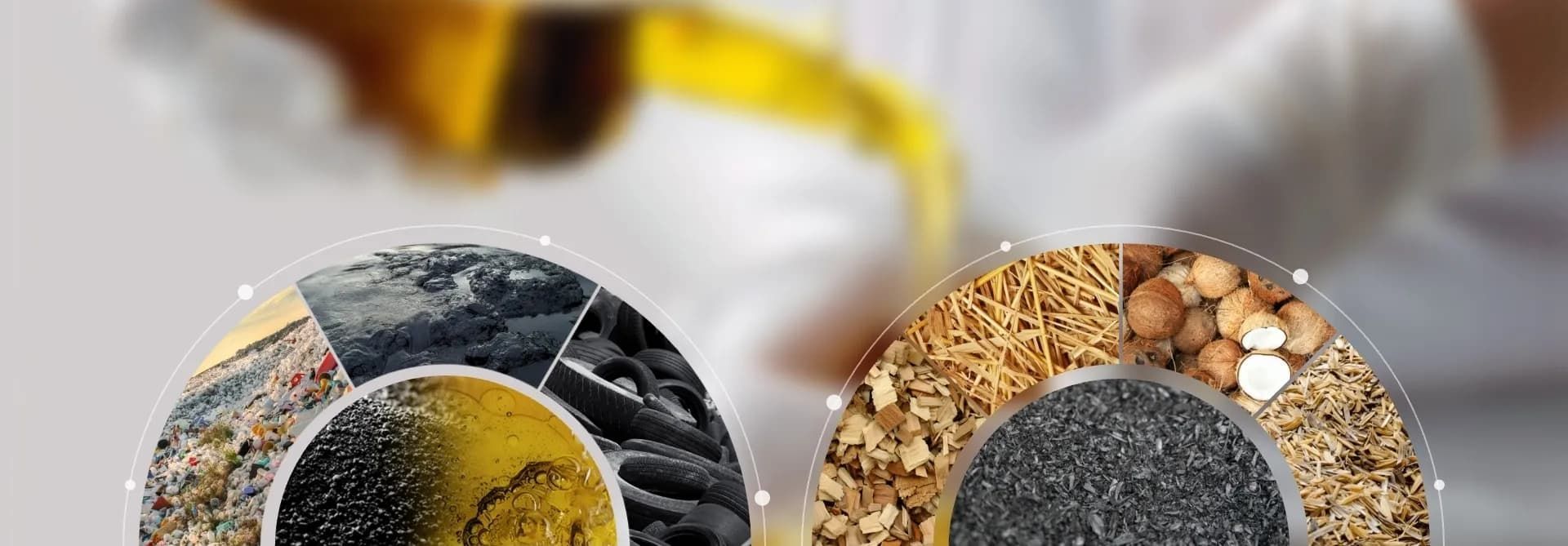
Plastic pyrolysis oil is produced by thermally decomposing plastics in an oxygen-limited environment. Polyethylene (PE) and polypropylene (PP), for example, can generate hydrocarbon-rich vapors that are subsequently condensed into liquid oil.
The resulting oil usually contains hydrocarbons covering a relatively wide boiling range. Instead of treating the entire product as one uniform fuel, refiners can use downstream separation and upgrading technologies to obtain fractions with different boiling characteristics.
This is where fractionation becomes important.
How Can Pyrolysis Oil Be Separated Into Naphtha and Diesel Fractions?
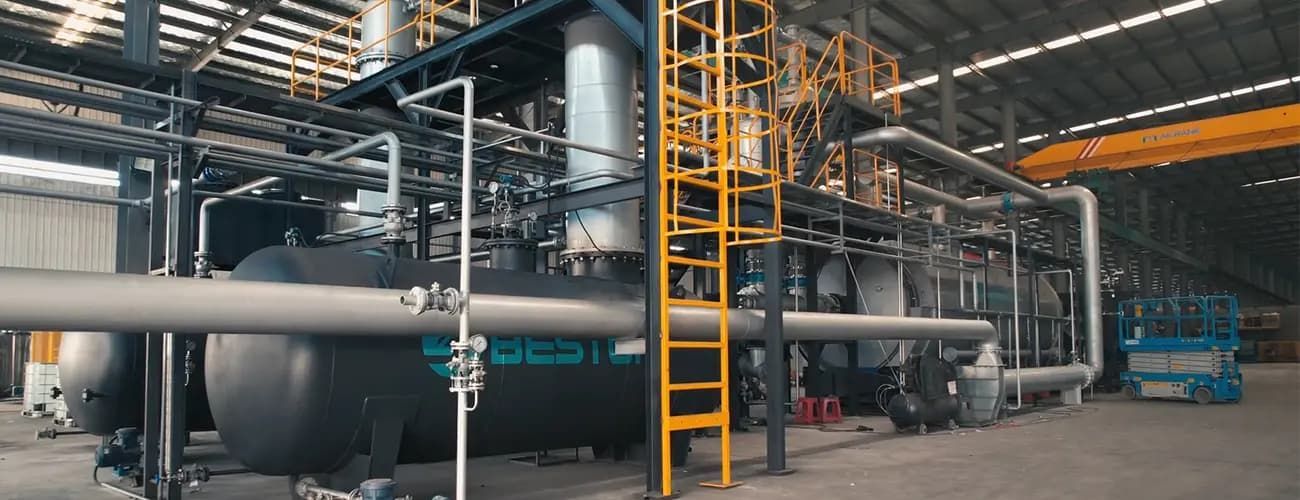
One common approach is distillation or fractionation. The pyrolysis oil is heated under controlled conditions, allowing hydrocarbons with different boiling points to separate.
The lighter fraction can fall within the approximate naphtha boiling range, while heavier components can form a diesel-range fraction. Depending on the feedstock and process configuration, intermediate or heavier fractions may also be recovered.
A simplified processing route can therefore be described as:
Waste Plastic → Pyrolysis → Pyrolysis Oil → Pretreatment → Distillation/Fractionation → Naphtha & Diesel Fractions → Further Upgrading
However, distillation alone does not necessarily produce a finished commercial fuel or refinery-grade feedstock. Additional treatment may be required.
Why Pretreatment Is Important
The composition of plastic pyrolysis oil can vary significantly. Contaminants may originate from the original plastic waste, additives, labels, pigments, dirt, or other non-plastic materials.
For example, PVC-containing feedstock can introduce chlorine compounds into the process. Chlorine must be carefully controlled because it can contribute to corrosion and create difficulties for downstream processing.
Therefore, pretreatment and purification may include filtration, dechlorination, removal of solids, and other contaminant-control measures. The specific treatment depends on the composition of the pyrolysis oil and the requirements of the downstream process.
Upgrading Naphtha-Range Fractions
A naphtha-range fraction obtained from plastic pyrolysis oil may contain valuable hydrocarbons, but its properties can differ considerably from conventional refinery naphtha.
Further upgrading can involve processes such as hydrogenation, stabilization, impurity removal, and other refinery-compatible treatments. The objective is to improve properties such as olefin content, sulfur or chlorine levels, stability, and overall consistency.
For petrochemical applications, highly purified pyrolysis-derived feedstock may potentially be used as an alternative carbon source for producing new chemicals and plastics, provided it meets the required technical and regulatory specifications.
Upgrading Diesel-Range Fractions
The heavier fraction can contain hydrocarbons within the diesel boiling range. Similar to the naphtha fraction, however, its boiling range alone does not determine whether it qualifies as commercial diesel fuel.
Additional upgrading may be necessary to improve stability, remove contaminants, and meet applicable fuel specifications. Hydrogenation or hydroprocessing can be particularly important when the target application requires a cleaner and more stable hydrocarbon product.
This means the pathway from plastic waste to diesel-range material is better understood as a refining and upgrading process, rather than simply producing diesel directly from a plastic pyrolysis reactor.
Feedstock Quality Determines Product Quality
Not all plastic waste produces the same pyrolysis oil. PE and PP are generally attractive feedstocks because they are rich in hydrocarbons suitable for producing liquid products. Mixed plastics, on the other hand, can introduce greater variability.
Feedstock preparation is therefore critical. Removing PVC, excessive moisture, metals, and other unwanted materials can improve process stability and make downstream purification easier.
For commercial projects, it is important to analyze the actual feedstock before selecting the reactor, condensation system, distillation equipment, and upgrading technology.
From Pyrolysis Oil to Higher-Value Products
The future development of plastic pyrolysis is increasingly focused on product upgrading rather than simply maximizing crude oil output. By combining controlled pyrolysis with purification, fractionation, and downstream upgrading, operators can potentially transform mixed hydrocarbon products into more consistent naphtha-range and diesel-range streams.
In other words, the value of plastic pyrolysis oil does not necessarily end when the oil is condensed. Further processing can determine whether the product remains a relatively crude pyrolysis oil or becomes a more valuable refinery or petrochemical feedstock.
For investors and project developers, the key is to evaluate the entire chain—from feedstock selection and pyrolysis conditions to purification, fractionation, final product specifications, and regulatory requirements—before determining the commercial value of the project.
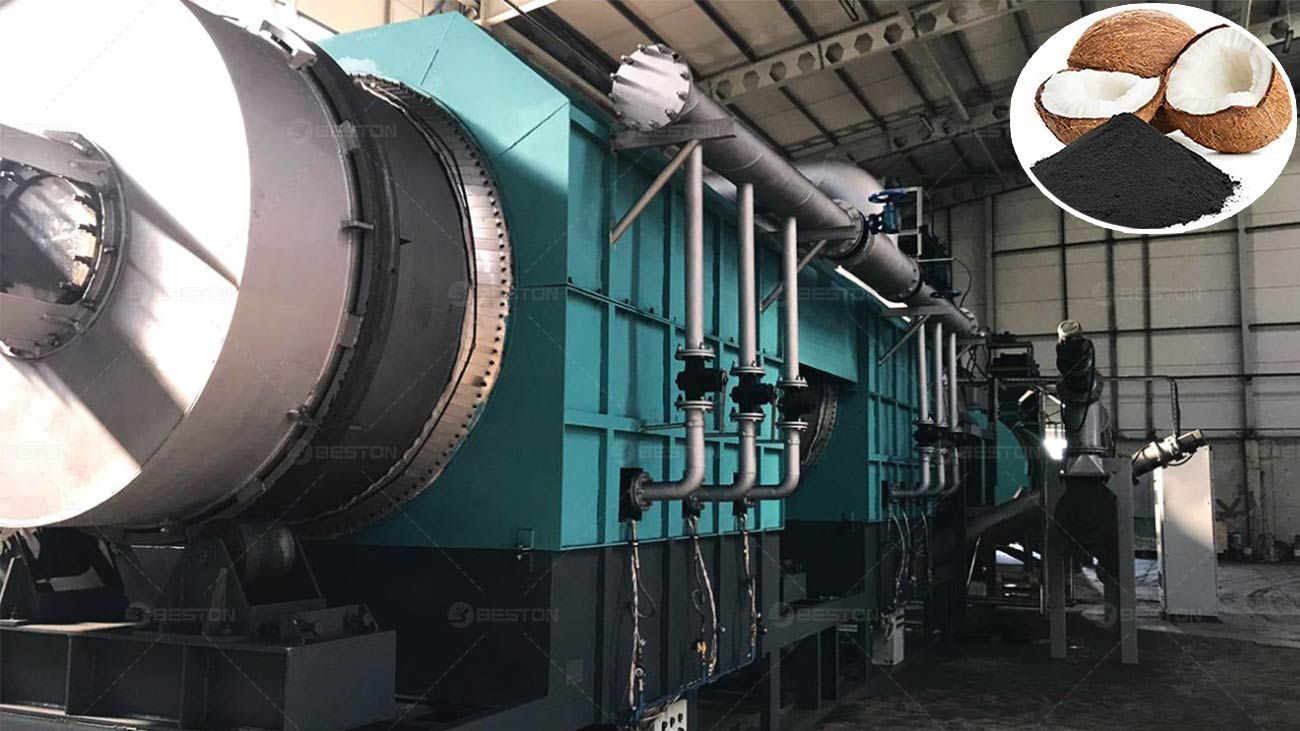
Why Continuous Charcoal Making Equipment Is Becoming the Preferred Choice for Large-Scale Production
